




Cardiology
Latest News

Advertisement
Latest Videos





CME Content






















































Advertisement
More News

Asundexian failed to prove noninferiority to apixaban for its primary efficacy outcome in the phase 3 OCEANIC-AF trial.

Rahul Aggarwal, MD, discusses the findings of a SCORED analysis examining sotagliflozin's effects based on diabetes duration.

Kenneth Mahaffey, MD, discusses FLOW trial data showing semaglutide improves cardiovascular outcomes in patients with type 2 diabetes, regardless of CKD severity.

RESHAPE-HF2 shows mitral transcatheter edge-to-edge repair (M-TEER) reduces heart failure hospitalizations and improves quality of life vs optimal medical therapy alone.

A single blood test using hsCRP, LDL-C, and Lp(a) levels can predict cardiovascular risk for women up to 30 years, emphasizing personalized care.

Sara Diaz Saravia, MD, discusses a study from ESC Congress 2024 examining the utility of cancer history in women as a predictor of subclinical atherosclerosis.

Deepak Bhatt, MD, MPH, MBA, discusses common pitfalls for clinicians when interpreting trial data based on a presentation he led at ESC Congress 2024.

Women with endometriosis experienced a 20% greater risk of cardiac outcomes compared with women without endometriosis.

The STOP-or-NOT trial found similar outcomes for continuation or discontinuation of RAS inhibitors before noncardiac surgery, supporting individualized decision-making.

People with the most weekend catch-up sleep had a 20% lower risk of heart disease, especially those who were sleep-deprived during the week.

HELIOS-B trial shows vutrisiran reduces all-cause mortality and CV events in ATTR-CM, with benefits consistent regardless of tafamidis use.

The ABYSS trial suggests no clear benefit of continuing beta-blockers post-MI in patients with preserved LVEF, echoing REDUCE-AMI findings.
Patients with stable CAD who quit smoking reduced the risk of a major event by nearly 50%, while a reduction in smoking habits demonstrated minimal effects.

Kausik Ray, MD, discusses what trials and new data in lipidology he is most looking forward to from the upcoming ESC Congress.

Allegheny Health Network (AHN) Cardiovascular Institute is one of only a few centers offering intracoronary vascular brachytherapy, an innovative procedure providing hope for patients with challenging restenosis.

Allegheny Health Network (AHN) implants innovative device to manage central sleep apnea in heart failure patients, reducing mortality rise and improving quality of life.

A subgroup analysis of the SELECT trial confirmed semaglutide 2.4 mg benefits patients with heart failure across ejection fraction spectra, improving MACE and heart failure outcomes.

Cascade testing strategies significantly increased the detection of FH, with direct contact yielding a 16-fold higher testing rate, according to the IMPACT-FH study.
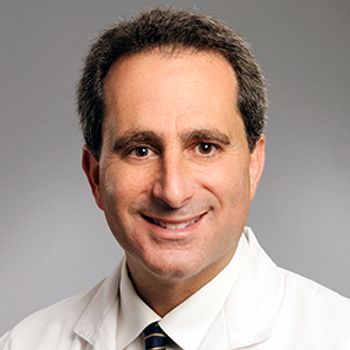
Laurence Sperling, MD, offers perspective on multiple topics within the evolving field of lipid management and dyslipidemia.
In this episode, hosts react to the announced CMS list prices for the first 10 drugs chosen for negotiation as part of the Inflation Reduction Act.

On August 19, 2024, Liquidia Corporation announced the FDA's tentative approval of treprostinil inhalation powder for adults with PAH and PH-ILD.

A recent study found that noise exposure of power looms (≥ 85 decibels) puts workers at risk of their overall blood pressure increasing.

HIIT exercise post-stroke improved aerobic fitness more than MICT, with significant gains in peak VO2 after 12 weeks.
Deepak Bhatt, MD, MPH, MBA, discusses 7 trials to watch from hotline or late-breaking sessions at the upcoming European Society of Cardiology Congress 2024.

New study suggests MRI-derived pressure measurements indicate a 5-fold increase in heart failure risk.
Advertisement
Advertisement
Trending on HCPLive
1
eGFR Underestimates CKD in Patients with Cancer, Study Finds
2
Tegoprubart Improves Quality of Life vs Tacrolimus After Kidney Transplant
3
42% on Povetacicept Reach KDIGO-Aligned UPCR Target in RAINIER
4
The HCPFive: Top News for Healthcare Providers from the Week of 10/18
5