




Cardiology
Latest News
Advertisement
Latest Videos





CME Content






















































Advertisement
More News

Grade 2 or 3 cardiac uptake showed a 5-fold higher risk of cardiovascular death compared to grade 1 in asymptomatic ATTR cardiac amyloid infiltration.

Self-reported primary prevention aspirin use decreased among adults with both low and high ASCVD risk after the release of evidence-based guidelines.

Increases in oxidized HDL levels were linked to HFpEF in new analyses, suggesting reduced antioxidant HDL function is present in this patient population.

The FDA has assigned a Prescription Drug User Fee Act (PDUFA) target action date of November 18, 2025.

Anti-CGRP monoclonal antibodies for migraine prevention were not linked to increased cardiovascular risk, per a Medicare study, addressing earlier safety concerns.

A cohort study with 14 years of follow-up found monogenic and polygenic mechanisms influencing LDL-C and incident T2D risk inversely associated.

AHN's specialized Shock Team at Allegheny General Hospital works to fight against cardiogenic shock.

Subjective poor sleep quality is tied to greater systolic blood pressure in adults ≤ 49 years with optimal sleep duration, compared with adults ≥ 50 years.
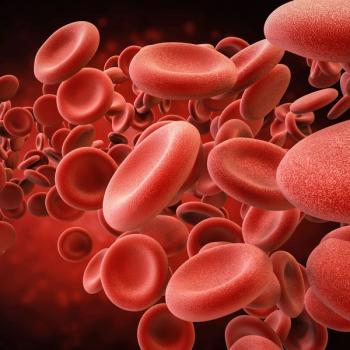
Nearly half of patients with acute coronary syndrome in a single-center analysis exhibited iron deficiency, with anemia linked to a greater impact on mortality.

Aspirin avoidance remained safe and did not increase thrombosis risk after LVAD implantation in patients with a history of atherosclerotic vascular conditions.
Submission of the supplemental NDA was based on positive findings from the FINEARTS-HF trial investigating finerenone for heart failure with an LVEF ≥40%.
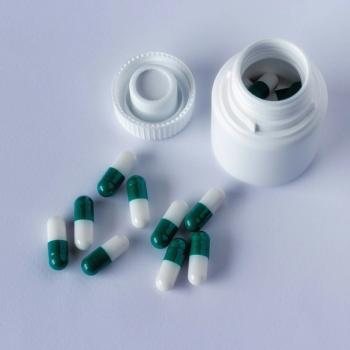
An economic analysis highlights a cardiovascular polypill's potential to lower healthcare costs and address income-based health disparities.

Variations in apoB concentration among Hispanic or Latino populations could provide important implications for apoB use in cardiovascular risk assessment.

A study found that the protein ADM significantly mediates loneliness' link to cardiovascular disease, stroke, dementia, and mortality, emphasizing loneliness’ health risks.

Higher levels of small-particle HDL were linked with greater gray matter volume and higher cognitive capacity among middle-aged adults.

Potassium nitrate increased blood nitric oxide metabolites but showed no improvement in exercise tolerance or quality of life in a population with HFpEF.
A list recapping our most popular endocrinology coverage from the past year.
To celebrate the close of 2024, we're recapping the 10 most popular approval articles across the HCPLive Network of brands.
From groundbreaking therapies to ethical dilemmas, HCPLive’s top podcasts of 2024 delivered expert insights and human stories across medicine.
We spotlight 5 impactful regulatory decisions scheduled to occur during the first quarter of 2025.
This listicle highlights 5 major approvals and 5 trial updates in cardiovascular care from 2024.
To celebrate the close of 2024, we surveyed top cardiologist on what they view as the biggest storyline in their field from the past year.

Yehuda Handelsman, MD reflects on the WCIRDC 2024’s comprehensive approach to advancing cardiometabolic care through multidisciplinary collaboration.
Yehuda Handelsman, MD highlights insulin resistance’s role in cardiometabolic disease and introduces DCRM 2.0 as a global, multi-specialty care framework.

Nathan D. Wong, MPH, PhD discusses the evolution of Lp(a) in risk assessment, given its role as a genetic risk factor for cardiovascular complications.
Advertisement
Advertisement
Trending on HCPLive
1
eGFR Underestimates CKD in Patients with Cancer, Study Finds
2
Tegoprubart Improves Quality of Life vs Tacrolimus After Kidney Transplant
3
GLP-1s Tied to Weight Loss in Peritoneal Dialysis, With Steven Brunelli, MD
4
The HCPFive: Top News for Healthcare Providers from the Week of 10/18
5