





Cardiology
Latest News
Advertisement
Latest Videos






CME Content






















































Advertisement
More News

Novo Nordisk will present more detailed data in 2025 and plans to file for an expanded label for Rybelsus for this population.

A study found that adding depression to Life's Essential 8 provides minimal improvements in predicting cardiovascular and all-cause mortality risk.

A new meta-analysis found elevated triglyceride levels in patients with major depressive disorder, potentially explaining the link between depression and cardiovascular risks.
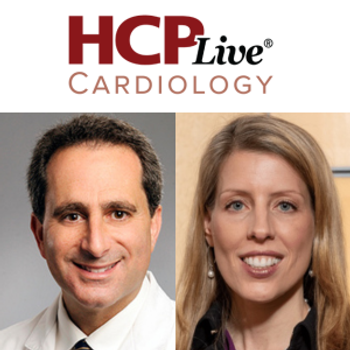
In part 3 of our Special Report on lipoprotein apheresis, Sperling and Gianos discuss future considerations for use and the evolving landscape of lipid management.
In part 2 of this 3-part series, Sperling and Gianos highlight the role of lipoprotein apheresis in contemporary settings and the supporting evidence base.
Laurence Sperling, MD, and Eugenia Gianos, MD, discuss the historical context and underutilization of lipoprotein apheresis in part 1 of a 3-part video series.

Linda Gillam, MD, MPH, discusses updates in the management of aortic stenosis, with a focus on use of TAVR.

The sNDA submission to the FDA included a Priority Review Voucher, which commits the regulatory agency to an accelerated review timeline.
Linda Gillam, MD, MPH, discusses the idea that the cardiology community may. be overtreating aortic stenosis.

Optimal use of GDMT therapy in heart failure could save an estimated 1.19 million lives globally over the course of 1 year.


Time-restricted eating, even without calorie restriction, improved glycemic control and cardiometabolic health in patients with metabolic syndrome.
A review of 5 highly anticipated FDA decisions expected by year-end, including acoramidis for ATTR-CM, olezarsen for FCS, sotagliflozin for T1D and CKD, and more.


Taher Modarressi, MD, sits down with hosts to share tips and practical nuggets for cardiometabolic health specialists to optimize prescription and adherence to newer therapies.

Rahul Aggarwal, MD, discusses how the VICTORION-1 PREVENT trial eligibility criteria apply to the general US population.
The HCPLive Cardiology month in review for September 2024 spotlights ESC Congress 2024, Family Heart Global Summit, pipeline updates, and more!

Steve Nissen, MD, discusses how the cardiology community needs to learn from previous mistakes in uptake of LDL-C lowering therapies as it approaches an age of Lp(a)-lowering agents.

Subclinical atherosclerosis burden and its progression are independently linked to the risk of death from any cause in asymptomatic individuals.
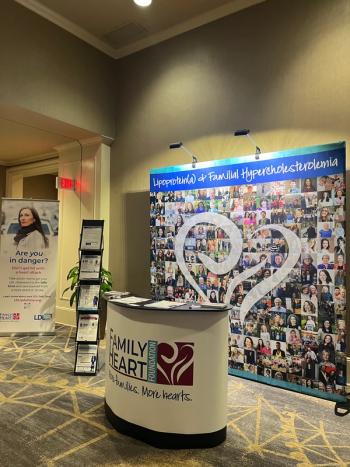
Family Heart Foundation announces the launch of Cholesterol Connect, a program that provides free at-home lipid screening and personalized support.


A comparison of the PALISADE and BALANCE trials, with commentary from a leading cardiologist, as the community nears a potential approval in FCS.

HCPLive spoke to Rodriguez, MD, MPH, about implementing AI in cardiology care.
The approval to GE Healthcare's cyclotron-produced radioactive diagnostic drug provides another option to adequately identify significant coronary artery disease.

At the Family Heart Global Summit 2024, Bhatia spoke about the importance of universal Lp(a) screening over only targeted screening.
Advertisement
Advertisement
Trending on HCPLive
1
eGFR Underestimates CKD in Patients with Cancer, Study Finds
2
Tegoprubart Improves Quality of Life vs Tacrolimus After Kidney Transplant
3
42% on Povetacicept Reach KDIGO-Aligned UPCR Target in RAINIER
4
The HCPFive: Top News for Healthcare Providers from the Week of 10/18
5