






Cardiology
Latest News
Advertisement
Latest Videos





CME Content






















































Advertisement
More News

In this episode of Don’t Miss a Beat, hosts sit down at ESC HFA to discuss key takeaways from the ACC's expert clinical decision pathway and preview HFpEF data scheduled to be presented during the meeting.

An analysis of data from donors within the UNOS network suggests donor hearts from patients who were COVID-19 who were COVID-19 positive could place patients at increased risk of mortality.
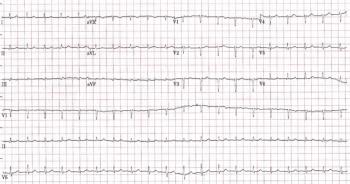
Our latest cardiology case report from Brady Pregerson, MD, features a woman in her 60s with a history of sick sinus syndrome presenting with palpitations, SOB, and lightheadedness. Can you determine the correct diagnosis?

Data show older age, being female, having a high BMI, smoking, comorbidities, and previous hospitalization or ICU admission with COVID-19 were associated with an increased risk of developing Post-COVID-19 condition.
Each month, our editorial staff compiles a recap of the top news in cardiology from the past month. Our April 2023 month in review features new data and documents related to heart failure management, recaps and forecasts of top regulatory decisions, and other top news!

Leveraging data from the UK Biobank study, a new study offers insight into the risk of new-onset heart failure based on female reproductive risk factors among a cohort more than 220,000 women.

An analysis of data from more than 119,000 pregnancies suggests women with prenatal depression were at increased risk for multiple forms of cardiovascular disease within the first 2 years following delivery relative to their counterparts without prenatal depression.

A study of more than 3000 Mediterranean adults is shedding light on the impact of longer midday naps on risk of metabolic syndrome, fasting glucose, and diastolic blood pressure.

New data from the POISE-3 trial indicates adherence to a preoperative hypotension avoidance strategy was no more effective than a hypertension-avoidance strategy for reducing risk of postoperative adverse events.

An analysis of data from 3 European countries provides insight into the apparent increase in risk of atrial fibrillation associated with preterm births as well as LGA or SGA births.

In patients hospitalized with acute coronary syndrome and metabolic syndrome, obstructive sleep apnea was associated with an increased risk of major adverse cardiovascular and cerebrovascular events in women, but not in men.

Patients who had severe COVID-19 infection requiring mechanical ventilation had a 16-fold risk of ventricular tachycardia within 6 months, according to new findings presented at EHRA 2023.

Using data from 4 major phase 3 trials and the Global Burden of Disease Report, investigators detail the potential impact of optimal prescription of SGLT2 inhibitors in heart failure by estimating the number of worsening heart failure events and cardiovascular deaths prevented or postponed as a result of uptake.

More than 50,000 patients with atrial fibrillation experienced reduced risks of stroke if they started statins within a year of diagnosis, compared with those who did not.

Results from the TEMPO-HCM study suggest that 30-day ECG monitoring in patients with HCM detects more arrhythmias than the standard 24-48 hours.

Using data from more than 800 older patients, new research is shining a light on the potential reduction in cognitive decline seen with the use of catheter ablation among patients with atrial fibrillation relative to medical management.

The statement suggests the importance of including non-biological factors and social determinants of health in CVD risk assessment for women of diverse races and ethnicities.

A systematic review and meta-analysis detail the unadjusted odds of developing chemotherapy-related cardiotoxicity among patients who are Black or of African ancestry relative to their White counterparts.

A double-blind, repeated crossover trial suggests personalized treatment for blood pressure could yield an additional 4.4 mmHg reduction in systolic blood pressure.

A new analysis suggests an association between elevated heart rate and increased risk of developing new-onset T2D, but the effects were largely restricted to younger individuals.

A post hoc analysis of the HOST-EXAM trial provides insight into the effects of clopidogrel monotherapy as long-term maintenance therapy relative to aspirin for multiple adverse outcomes in patients with a history of PCI.
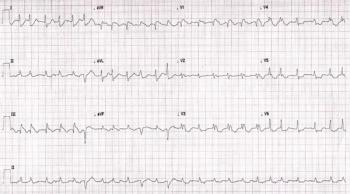
Our latest cardiology case report from Brady Pregerson, MD, features an older man with dementia presenting with hypotension and brought to the hospital with a possible STEMI. Can you determine the correct diagnosis?

From a novel topical gene therapy to a multi-pathway targeting HF drug, the second quarter of 2023 is laden with interesting regulatory decisions.

A retrospective, propensity score-matched analysis details significant risk reductions achieved with bariatric surgery in patients with nonalcoholic fatty liver disease and obesity.

An analysis of data from patients in the DELIVER and DAPA-HF trials in the Americas provides an overview of the benefits of dapagliflozin in Black patients relative to White patients.
Advertisement
Advertisement
Trending on HCPLive
1
eGFR Underestimates CKD in Patients with Cancer, Study Finds
2
The HCPFive: Top News for Healthcare Providers from the Week of 10/18
3
42% on Povetacicept Reach KDIGO-Aligned UPCR Target in RAINIER
4
Q&A: Looking Beyond Body Surface Area in Atopic Dermatitis Treatment Selection
5