






Cardiology
Latest News
Advertisement
Latest Videos









CME Content






















































Advertisement
More News

A post hoc analysis of the HOST-EXAM trial provides insight into the effects of clopidogrel monotherapy as long-term maintenance therapy relative to aspirin for multiple adverse outcomes in patients with a history of PCI.
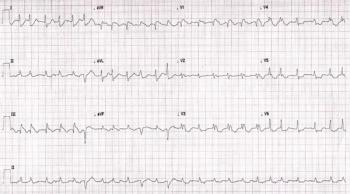
Our latest cardiology case report from Brady Pregerson, MD, features an older man with dementia presenting with hypotension and brought to the hospital with a possible STEMI. Can you determine the correct diagnosis?

From a novel topical gene therapy to a multi-pathway targeting HF drug, the second quarter of 2023 is laden with interesting regulatory decisions.

A retrospective, propensity score-matched analysis details significant risk reductions achieved with bariatric surgery in patients with nonalcoholic fatty liver disease and obesity.

An analysis of data from patients in the DELIVER and DAPA-HF trials in the Americas provides an overview of the benefits of dapagliflozin in Black patients relative to White patients.

An analysis of more than 2 dozens studies provides and overview of the evolving safety profile of balloon pulmonary angioplasty in the treatment of chronic thromboembolic pulmonary hypertension in a period lasting from 2013-2022.

Leveraging data from the PADIT trial, investigators provide an overview of the impact of extent and timing of infections following cardiac implantable electronic device implantation.

An analysis of data from more than 10,000 individuals in Europe sheds new light on risk of arterial stiffness associated with excess sodium intake.
Our March 2023 cardiology month in review features top headlines from ACC.23, an approval for children with HoFH, and a feature celebrating the 10-year anniversary of the first SGLT2 inhibitor approval.

The first study to examine joint effects of physical activity and sleep duration on mortality risk using accelerometry, results indicate increase activity could negate the effects of short or long sleep duration on cardiovascular and all-cause mortality.

An analysis of data from the St. Jude Lifetime Cohort Study provides new insight into the risk of long-term diastolic dysfunction associated with cardiotoxic cancer therapies in adult survivors of childhood cancer.

Children exposed to maternal COVID-19 during pregnancy showed lower birth weight, lower birth BMI, and accelerated postnatal weight gain, compared with those unexposed.

Is the prevalence of cardiac involvement in patients with sarcoidosis underestimated? Advanced imaging could lead to illuminating discoveries.

A new cohort study suggested the number of days per week taking 8000 steps or more was associated with a decreased risk of all-cause and cardiovascular mortality.

A systematic review and meta-analysis of more than 120 randomized trials offers new insight into the effects of weight regain on cardiometabolic risk up to 5 years after the cessation of a behavioral management program.

The expert consensus statement provides updated recommendations on evidence-based best practices for transcatheter LAAC, with a focus on endovascular devices.
As the US tries to move on from the pandemic, patients with long COVID-19 are fighting to regain normalcy while clinicians improve care plans and researchers search for answers.

A cost-effectiveness analysis of the EAST – AFNET 4 trial indicated the health benefits of early rhythm control come at reasonable additional costs compared to usual care.

High blood pressure and low fitness levels were each associated with an increased risk of CVD mortality independently of established and emerging risk factors in new findings.

The randomized AWARE trial indicates patients with paroxysmal AF did not have improved freedom from recurrent atrial arrhythmia with a double ablation lesion set compared with a single procedure.

On March 24, the US Food and Drug Administration announced a proposed rule changes aimed at promoting use of safe and suitable salt substitutes with the intent of improving nutrition and reducing chronic illness.

Industry payments to cardiologists remained highly prevalent in each year of study, but the research showed significant declines in the total value of payments and payment per cardiologist.

Data from a meta-analysis show late gadolinium enhancement (LGE) on cardiac MRI scans and elevated fluorodeoxyglucose (FDG) uptake on PET scans are both strong predictors of major adverse cardiac events for cardiac sarcoidosis.

New research from the Family Heart Foundation indicates high-risk patients who fail to achieve LDL-C targets had a 49% greater rate of cardiovascular events than their counterparts who met LDL-C targets.

An analysis of NHANES from 2013 - March 2020 suggest individuals with an indication for statin therapy for primary prevention based on 10-year risk saw low overall use across risk categories and race and ethnicity strata.
Advertisement
Advertisement
Trending on HCPLive
1
eGFR Underestimates CKD in Patients with Cancer, Study Finds
2
The HCPFive: Top News for Healthcare Providers from the Week of 10/18
3
42% on Povetacicept Reach KDIGO-Aligned UPCR Target in RAINIER
4
Q&A: Looking Beyond Body Surface Area in Atopic Dermatitis Treatment Selection
5