




Cardiology
Latest News
Advertisement
Latest Videos




CME Content






















































Advertisement
More News

Research presented at ENDO 2023 suggests a high number of adults in the United States with normal BMI still have obesity.

Among more than 80,000 older adults with T2D and established CVD, those in the highest quartile of out-of-pocket costs were less likely to initiate a GLP-1 R or SGLT2 inhibitor.

New data from the phase 2 ROSE2 trial is providing insight into the safety and tolerability, as well as LDL-lowering effects, of obicetrapib as an adjunct to high-intensity statin therapy as a monotherapy and in combination with ezetimibe.

An analysis of the Dubbo study suggests elevated Lp(a) is an independent and significant predictor of recurrent CHD in older people over a 16-year period.

At the 7th Annual Heart in Diabetes meeting, Joseph discussed the need to advance equity in diabetes management, from clinical practice to community-based interventions.

Stephen Greene, MD, discusses the results of a recent GWTG-HF registry analysis, which concluded just 1 in 5 hospitalized patients with HFrEF were discharged with an SGLT2 inhibitor prescription and less than 10% were receiving all 4 classes of guideline-directed medical therapy.
Steve Greene, MD, discusses the results of a TRANSFORM-HF analysis comparing the effects of furosemide and torsemide on quality of life outcomes in patients with heart failure.
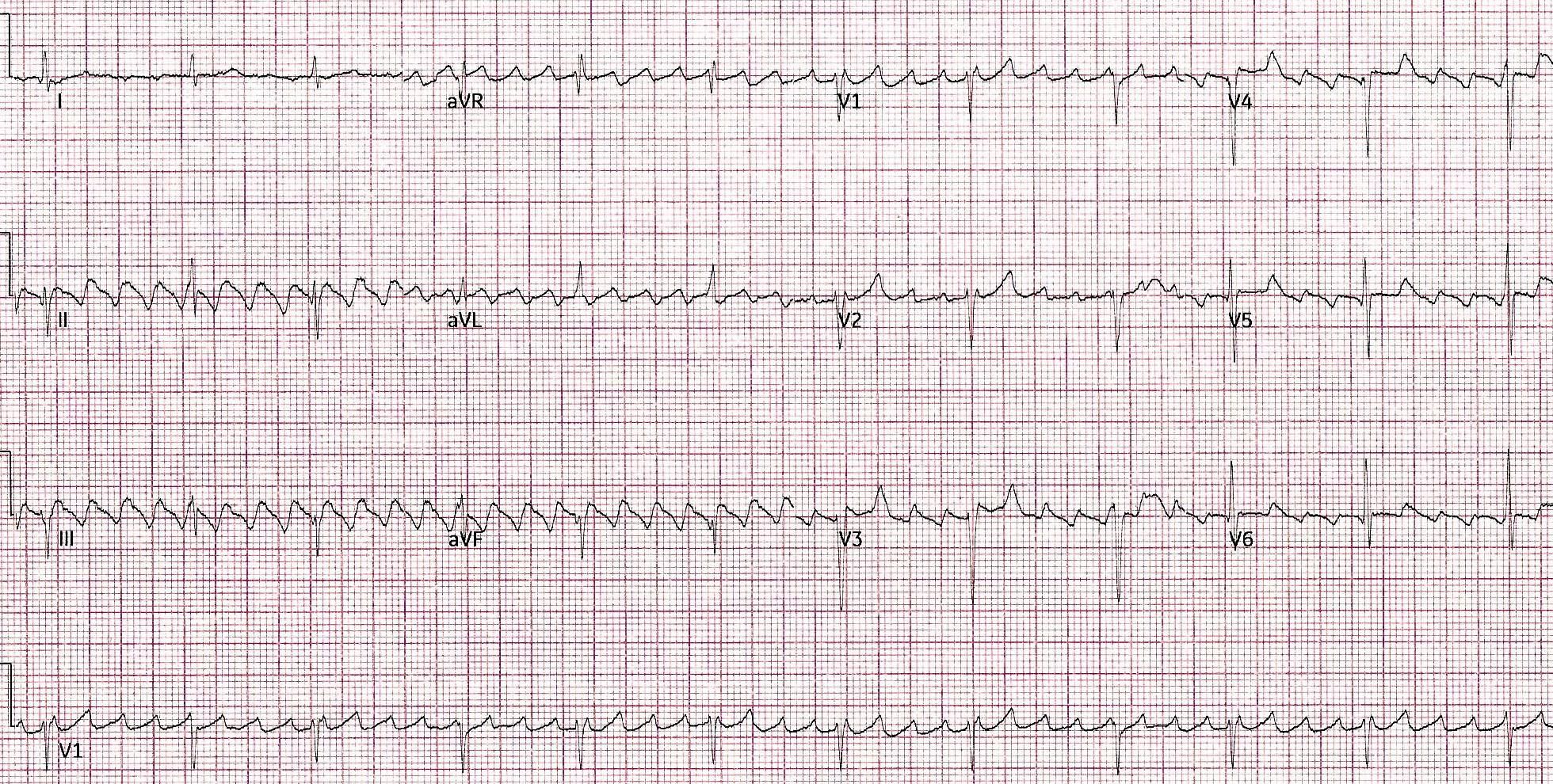
Our latest cardiology case report from Brady Pregerson, MD, features a man in his mid-60s presenting with chest pains and palpitations. Can you determine the correct diganosis?

In recent years, the field of endophenotyping has garnered significant attention in sleep health, signaling a growing recognition of the need to move beyond simplistic measures.

An analysis of nationwide data in Singapore suggests obesity is set to become the leading metabolic risk factor underlying acute myocardial infarction onset, overtaking hypertension and hyperlipidemia in the coming decades.
“How can we use these data to harness the power it has to do a better job of predicting clinical outcomes and looking at treatment responsiveness?” Dr. Reena Mehra asks.

However, results from the Vet-COACH trial reported a significant improvement in mental health–related quality of life in the intervention group compared with the control group.
The possibility that sleep apnea could be one of the unrecognized factors exacerbating the growing rates of AF emphasizes the necessity of awareness, screening, diagnosing, and treating sleep apnea.

An analysis of Medicaid data from adults in Alabama suggests just more than 50% of patients fail to get ambulatory follow-up care within the recommended 14-day window following a first-time heart failure hospitalization.
Improved symptoms in 3 men with heart failure caused by ATTR-CM were confirmed by cardiovascular magnetic resonance scans showing the build-up of amyloid proteins had cleared.

12-month adherence to GLP1-RA or SGLT2i therapies was highest among individuals with T2D and/or heart failure with a low prescription co-payment.

Announced in a release by Daiichi Sankyo, Inc. and American Regent, Inc., the therapy is now the first and only intravenous iron replacement therapy indicated for adult patients with heart failure who have iron deficiency.

The analysis of adults with Type 2 diabetes found 33.4% showed signs of undetected CVD, as indicated by elevated levels of 2 cardiac biomarkers, compared to only 16.1% of those without diabetes.

An analysis of 2 population-based cohorts suggests coronary artery calcium scores added to traditional risk-based models showed better discrimination than polygenic risk scores for CHD risk prediction.

Pooling data from half a dozen major population-based cohort studies, a Johns Hopkins-led team provides new insight into the risk of cognitive decline following myocardial infarction among US adults.

Scott Solomon, MD, of Brigham and Women's Hospital, discusses how baseline patient characteristics inform what cardiologists might learn from the FINEARTS-HF trial, which he presented at Heart Failure 2023.

Differences in Lp(a) level distribution across the diverse US Hispanic or Latino population may have important implications for its use in ASCVD risk assessment.

Ahead of the sotagliflozin approval, Deepak Bhatt, MD, MPH, offers perspective into potential future research opportunities for the SGLT1/2 inhibitor and discusses the impact of a 3rd agent boasting SGLT2 inhibition receiving approval for heart failure.
The FDA approval of sotagliflozin (Inpefa) for the treatment of heart failure was announced by Lexicon Pharmaceuticals on May 26, 2023.

A posthoc analysis of the EMPEROR-Preserved trial suggested empagliflozin decreased the risk of heart failure hospitalization or cardiovascular death, regardless of background diuretic status.
Advertisement
Advertisement
Trending on HCPLive
1
eGFR Underestimates CKD in Patients with Cancer, Study Finds
2
The HCPFive: Top News for Healthcare Providers from the Week of 10/18
3
42% on Povetacicept Reach KDIGO-Aligned UPCR Target in RAINIER
4
Q&A: Looking Beyond Body Surface Area in Atopic Dermatitis Treatment Selection
5