






Cardiology
Latest News
Advertisement
Latest Videos





CME Content






















































Advertisement
More News

Using data from a pair of major studies, investigators from the Harvard T.H. Chan School of Public Health shed new light on the impact of low-carbohydrate diet scores in people with type 2 diabetes.

Dr. Matthew Lander explains that the number of cardiac sarcoidosis cases might be lower than other forms of sarcoidosis, but the outcomes are more severe.
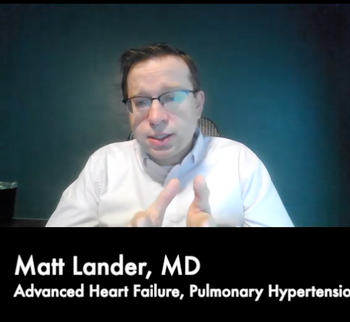
PET scanning, in particular, has provided advancement in the diagnosis process, which has offered a new perspective on cardiac sarcoidosis for clinicians.

Patients with with depression and AHI ≥ 30 show the greatest risk of all-cause mortality.

An analysis of more than a dozen cohort studies containing data from more than 30,000 offspring provides clinicians with the most detailed overview yet of differences in cardiometabolic health outcomes in those conceived naturally compared to those conceived with use of assisted reproductive technologies.

In recognition of Go Red for Women Day on February 3, this feature shines a spotlight on the hurdles faced by women in cardiology and offers perspective on the battle for gender-based equity in medicine from the perspective of a pair of female leaders.

An analysis of data from the China Kadoorie Biobank study suggests cumulative exposure to estrogen was associated with stroke risk in postmenopausal women.

On February 2, Abbott announced their FlexAbility™ Ablation Catheter, Sensor Enabled had received an expanded approval from the US Food and Drug Administration and their TactiFlex™ Ablation Catheter, Sensor Enabled received a CE Mark.

A systematic review of nearly 100 published studies provides an overview of sex-based disparities in the care of pediatric patients with type 1 diabetes.

A study presented at the International Stroke Conference 2023 suggests the plasma metabolite gluconic acid could serve as a race-specific biomarker for identifying increased risk of hypertension and stroke in Black adults.

The statement suggests PCI without surgery on site is as safe as PCI at centers with on-site surgery across randomized controlled trials, observational studies, and international experiences.

Research from investigators in Ontario, Canada suggests the plateau in rates of cardiovascular disease and hospitalizations among people with type 2 diabetes seen in the last decade is masking a growing income-based disparity.

Using data from more than 2 million US adults with nonsurgical hospitalizations, a new study from the Mayo Clinic is sounding the alarm on the increased cardiovascular risk associated with developing sepsis.

An analysis of the UK Biobank suggests individuals with celiac disease had an incidence rate of 9.0 CVD cases per 1000 person years compared with 7.4 per 1000 person years in people with no celiac disease.
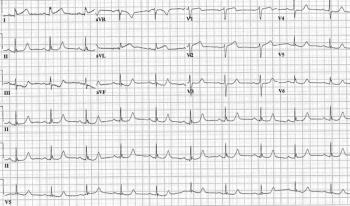
Our latest cardiology case report features a woman in her 70s presenting to the hospital with 5 days of radiating chest pain. Check out the ECG and determine the correct diagnosis!

New data from the AHA 2023 Statistical Update suggest more people died from cardiovascular-related causes in 2020 than in any year since 2003.

A systematic review and meta-analysis of nearly 3 dozen published articles details the apparent increase in risk of cardiovascular disease and diabetes associated with a diagnosis of autism.
The January 2023 cardiology month in review features a trio of articles related to management of atrial fibrillation, the FDA approval of Abbott’s Navitor system, and a study spotlighting the prevalence of mental health conditions among cardiologists.

An analysis of registry data recorded in Denmark over a 4-decade period offers an overview of the risk of acute myocardial infarction and ischemic stroke incurred as a result of preeclampsia during pregnancy and how this risk changes over time.

An analysis of the Jackson Heart Study reports economic food insecurity as a risk factor for incident CHD and incident HFrEF, independent of socioeconomic measures and traditional CV risk factors.

Rurality was associated with an increased risk of HF among women and Black men, which persisted after adjustment for cardiovascular risk factors and socioeconomic status.
With up to 40 years of follow-up, a retrospective study of matched pairs is providing an overview of the long-term risks and benefits of bariatric surgery in people with overweight or obesity.

The SPRINT MIND trial is providing new evidence related to the effects of intensive blood pressure lowering on cognitive impairment and risk of dementia according to baseline diastolic blood pressure

Results from the ACTIVE-AF trial indicate participation in an exercise-based intervention reduced arrhythmia recurrence and improved symptom severity among patients with AF.

Men in the highest quartile of PDE-5i exposure had the lowest incidence of MACE and overall mortality compared to the lowest exposure quartile.
Advertisement
Advertisement
Trending on HCPLive
1
eGFR Underestimates CKD in Patients with Cancer, Study Finds
2
The HCPFive: Top News for Healthcare Providers from the Week of 10/18
3
42% on Povetacicept Reach KDIGO-Aligned UPCR Target in RAINIER
4
Q&A: Looking Beyond Body Surface Area in Atopic Dermatitis Treatment Selection
5