




Cardiology
Latest News
Advertisement
Latest Videos






CME Content






















































Advertisement
More News

In this podcast episode, Jorge Plutzky, MD, and Michael Farkouh, MD, speak with University of Maryland's Matthew Weir, MD, about the growing involvement of renal care in modern heart disease patients.
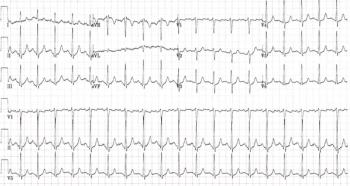
Our latest cardiology case report from Brady Pregerson, MD, features a man in his mid-50s presenting to the hospital with leg swelling that started 4 days ago but denies chest pain, SOB or other complaints. Check out the ECG and determine the correct diagnosis.

Mean systolic blood pressure increased by 5.09 mm Hg immediately after implementation of automated monitoring.
In the first episode of our monthly series, cardiologists Jorge Plutzky, MD, and Michael Farkouh, MD, interview nephrologist Matthew Weir, MD.

In his most recent column, Dr. Gregory Weiss provides perspective on recent data elucidating the links between insulin sensitivity, central adiposity, and atherosclerosis.

In his most recent column, Dr. Gregory Weiss provides an overview of a recent American College of Cardiology report detailing apparent increases in cardiovascular risk observed among pregnant women infected with COVID-19.

Serum total cholesterol, HDL-C, and LDL-C were associated positively with IOP, while triglyceride levels may be associated negatively.
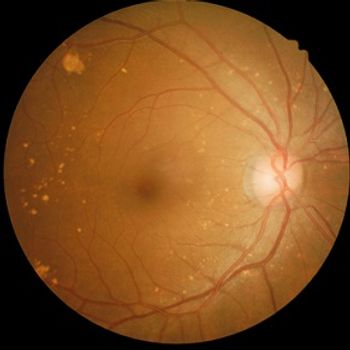
The strongest risk factor for RVO was identified as nonideal blood pressure, followed by nonideal body mass index.

In a pivotal trial presented at ESC Congress 2022, Medtronic's investigational external ICD achieved a defibrillation success rate of 98.7% and met its safety endpoints in a global pivotal trial.

A lower SPPB score was associated with greater risk of composite and individual CVD outcomes.

Temperatures changes between summer and the rest of the year correlated with the magnitude of decrease in renal function during summer.

A new study provides insight into contemporary trends in gender- and income-based disparities in 30-day mortality risk following cardiac surgery among patients in the US.

Increased risk of AF by fish oil supplement was found to be prominent in low risk participants with healthy lifestyles.
Full-dose anticoagulation, but not clopidogrel, reduced thrombotic complications in critically-ill patients with COVID-19.

An Oakland-based analysis of mortality among homeless adults aged ≥50 years old illuminates the need for more proactive homeless care policies.

Digital screening more than doubled the detection rate of treatment-relevant AF in both phases of eBRAVE-AF trial.
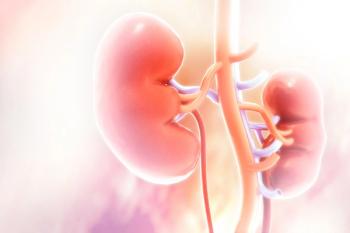
An analysis of the FIDELITY program from ESC Congress 2022 details an 11% reduction in risk of all-cause mortality and a 25% reduction in risk of sudden cardiac death among patients with type 2 diabetes and chronic kidney disease.

Targeting a mean arterial blood pressure of 77 mm Hg or 63 mm Hg was not associated with significantly different percentages of patients dying or having severe disability or coma.
SGLT2 inhibitors reduce the risk of hospitalization for heart failure, extend survival, and improve overall health status, irrespective of ejection fraction, in patients with heart failure.

Results of a trial assessing the impact of universal subclinical CVD screenings found increased screenings did not significantly reduce the risk of all-cause mortality in men aged 65-74 years over the next 5 years.

The treatment strategy led to lower risk of major adverse cardiovascular events than usual care in older patients with recent myocardial infarction.

The risk of coronary heart disease and stroke decreased by 22% for every 1 point rise in the sleep score at baseline.

A recent study indicated no evident VTE risk in patients with eczema, despite FDA black box warnings for the drug class.

Regardless of frailty status, edoxaban 15 mg was associated with significantly reduced incidence of the study outcomes compared with placebo.

Pharmacovigilance studies sifting through FDA adverse event reports confirm ocular side effects from PCSK9 inhibitors are infrequent and minor.
Advertisement
Advertisement
Trending on HCPLive
1
eGFR Underestimates CKD in Patients with Cancer, Study Finds
2
The HCPFive: Top News for Healthcare Providers from the Week of 10/18
3
42% on Povetacicept Reach KDIGO-Aligned UPCR Target in RAINIER
4
Q&A: Looking Beyond Body Surface Area in Atopic Dermatitis Treatment Selection
5