





Cardiology
Latest News
Advertisement
Latest Videos





CME Content






















































Advertisement
More News


At HiD 2022, Dr. Budoff discusses the use and utility of coronary calcium scoring for risk stratification

Dr. Martin explores the explosion of new consumer technologies and how to close the gap in disparities between data collection and using the data in practice.

Dr. Gregory Weiss provides perspective on a recent study detailing the risks of thrombosis observed with different COVID-19 vaccines among patients from a group of countries in Europe.

Dr. Ray discusses the impact of current practice on cholesterol goal attainment and what more needs to be done.
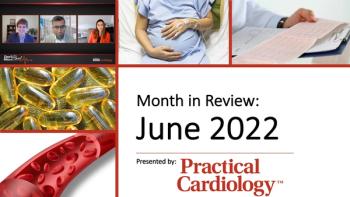
Our cardiology month in review spotlights the most popular content from the past month. The top content from June 2022 includes new USPSTF recommendations, DECAAF II, the latest edition of Don’t Miss a Beat, & more!

Dr. Green discusses the potential of combination therapy to reduce cardiovascular and kidney outcomes in people with type 2 diabetes.

Dr. Joseph discusses modalities to address cardiometabolic disease in individuals around the country, from lifestyle management to policy-level changes.

New research from Indiana University details the impact of an invasive management strategy compared to medical management among patients with NSTEMI and chronic kidney disease across the spectrum of CKD severity.

Dr. Gregory Weiss provides perspective on recent data detailing the acceleration of heart failure progression associated with a diagnosis of diabetes mellitus.

An analysis of insurance claims data from 2016-2018 suggests cardiac rehabilitation attendance was 31% lower among Asian individuals, 19% lower among Black individuals, and 43% lower among Hispanic individuals compared to their White counterparts in models adjusted for income, age, sex, hypertension, diabetes, depression, ischemic stroke, and education level.

Data from a Johns Hopkins Medicine-led analysis provide insight into the risk of cardiovascular complications among women with polycystic ovary syndrome during delivery hospitalizations compared to their counterparts without PCOS.

On June 21, the USPSTF released a new recommendation statement related to use of vitamin, mineral, or multivitamin supplements for the prevention of cancer and cardiovascular disease in adult patients, which replace the organization's 2014 recommendations on the subject.
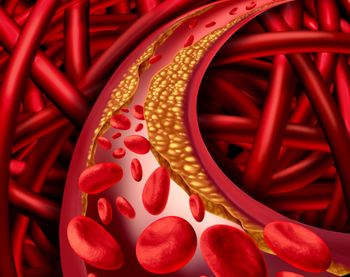
A retrospective analysis comparing statin users and nonusers details the significant declines in arterial stiffness progression among patients of high atherosclerotic risk based on statin use and adherence in a cohort of more than 5000 patients.

Using National Inpatient Sample data from a nearly 2 decade period, investigators detail the increased risk of cardiovascular complications among women with PCOS during delivery hospitalizations and predictors of this increased risk.

According to a new study, cumulative exposure to PFAS during midlife can increase the risk of incident hypertension among women as they age, with those in the highest tertile of cumulative exposure at a 71% greater risk of developing hypertension.

The prevalence rate of VTE was 2% among a large population of SCD patients in Nigeria.

An analysis of the National Inpatient Sample details the statistically significant increases in the risk of experiencing myocardial infarction, PCI, or CABG in patients with prediabetes compared to their normoglycemic counterparts.

Women show significantly lower risk of first, recurrent life-threatening VTA events than men, while it is more pronounced in patients with NICM.

Rivaroxaban monotherapy was associated with a 38% lower risk of total cardiovascular and bleeding events.

New research suggests cumulative exposure to PFAS could increase risk of incident hypertension by 71% among midlife women.

Using data from a large study of childhood cancer survivors and NHANES, investigators provide insight into the undertreatment and underdiagnosis of cardiovascular risk factors among survivors of childhood cancer compared to the general US population.

An analysis of the National Inpatient Sample at ENDO 2022 provides insight into the risk of myocardial infarction associated with prediabetes compared against normoglycemic patients.

In a study presented at SLEEP 2022, investigators provide an overview of the impact of obstructive sleep apnea and daytime sleepiness with increased risk of atherosclerotic cardiovascular disease.
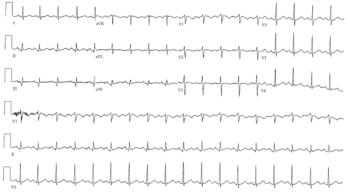
Our latest case report from Brady Pregerson, MD, features a man in his early 60s presenting with months of gradually worsening dyspnea on exertion that has been worse for several days. Check out the EKG and determine the correct diagnosis!
Advertisement
Advertisement
Trending on HCPLive
1
eGFR Underestimates CKD in Patients with Cancer, Study Finds
2
The HCPFive: Top News for Healthcare Providers from the Week of 10/18
3
42% on Povetacicept Reach KDIGO-Aligned UPCR Target in RAINIER
4
Q&A: Looking Beyond Body Surface Area in Atopic Dermatitis Treatment Selection
5