




Cardiology
Latest News
Advertisement
Latest Videos








CME Content






















































Advertisement
More News

Though current use rates have declined since 2017, investigators believe more young adults are transitioning from experimental to habitual use.

The 2022 scientific sessions in Louisville, Kentucky will emphasize inclusiveness and the care for all at risk for cardiovascular disease.

An analysis of real-world EHR data from more than 900,000 statin users suggests use of rosuvastatin was associated with an 8% greater risk of hematuria, a 17% greater risk of proteinuria, and a 15% higher risk of developing kidney failure requiring replacement therapy such as dialysis or transplantation compared to atorvastatin use.

An analysis of the EPIC-Norfolk cohort suggests a potassium-rich diet could contribute to lowered blood pressure and reduced risk of cardiovascular disease events in women.

Women with endometriosis had a 34% greater risk of stroke than women without the chronic inflammatory gynecological condition, according to an analysis of the Nurses Health Study II.

An analysis of data from the ARIC study provides insight into the impact of genetic risk scores on lifetime risk of stroke and how optimal cardiovascular health might influence this risk.
Compared to use of atorvastatin, use of rosuvastatin was associated with an 8% greater risk of hematuria, a 17% greater risk of proteinuria, and a 15% higher risk of developing kidney failure.

An analysis of data from more than 450,000 patients in the UK details an 81% increase in the net incidence of diabetes in the first 4 weeks after contracting COVID-19, which remained elevated through weeks 5-12, compared to those who did not contract COVID-19.

An analysis of patients with CKD from the CRIC study demonstrates those with the highest levels of physical activity had reductions in risk of 36%, 29%, and 53% for atherosclerotic events, incident heart failure, and cardiovascular mortality, respectively, compared to those with the lowest levels.

Early follow-up in patients with COPD led to lower rates of readmissions at 90 days, while patients with CHF saw lower 90-day mortality.

Nearly half of the study cohort did not fill a statin prescription within 90 days after an ASCVD event.

An analysis of the UK Biobank cohort details the increased incidence of premature death associated with increased frequency of adding salt to food.
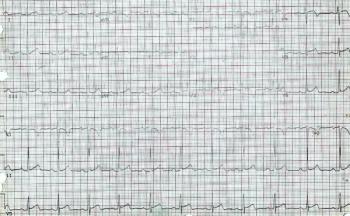
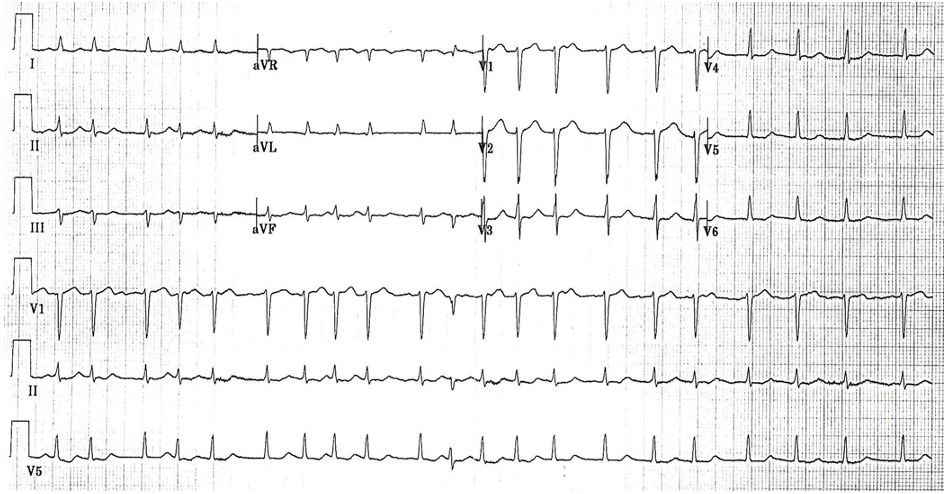
Our latest cardiology case report from Dr. Pregerson features a man in his mid-40s presenting to the hospital with dyspnea on exertion during golf the day before. Check out the ECG and determine the correct diagnosis!

Dr. Raina describes the manifestations of pulmonary hypertension, CTEPH, and various treatment options available for the often underlooked condition.

The Optimal screening ages for two measurements were 2 years and 6 years for the diagnosis of clinical type 1 diabetes.

After highlighting the first half of the year in our top decisions from the first half of 2022, Practical Cardiology’s editorial staff fixed its gaze on the cardiology pipeline for the remainder of 2022. In this list, we highlight potential FDA Decisions and trials to watch for in the second half of the year.

Timing, urgency, and risk category of surgery were not associated with increased risk of the primary end point.

Preventable factors including obesity, hypertension, and physical activity are disparately impacting the rate of dementia among people of color.

New findings suggest low-dose rivaroxaban plus aspirin was associated with lower VTE risk compared with aspirin alone.

Reducing sedentary time and increasing physical activity may reduce the global burden of premature deaths and CVD.
A recent analysis of the ISCHEMIA program suggests invasive management of chronic coronary disease appeared to provide a greater degree of benefit in those with less advanced stages of chronic kidney disease.

An analysis of nationally representative data from NHANES cycles from 1999-2000 through 2017-2018 suggests just 6.8% of US adults had optimal cardiometabolic health.
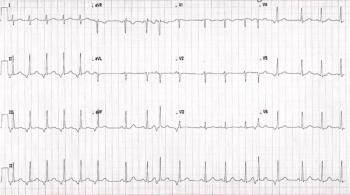
Our latest case report from Brady Pregerson, MD, features a woman in her mid-40s presenting with palpitations the past 2 hours. Check out the EKG and determine the correct diagnosis!

Dr. Gregory Weiss provides perspective on a recent study suggesting women with gestational hypertension were at an increased risk of chronic hypertension later in life.

Event rates were inversely proportional to kidney function in patients with chronic coronary disease.
Advertisement
Advertisement
Trending on HCPLive
1
eGFR Underestimates CKD in Patients with Cancer, Study Finds
2
The HCPFive: Top News for Healthcare Providers from the Week of 10/18
3
42% on Povetacicept Reach KDIGO-Aligned UPCR Target in RAINIER
4
Q&A: Looking Beyond Body Surface Area in Atopic Dermatitis Treatment Selection
5