






Cardiology
Latest News
Advertisement
Latest Videos







CME Content






















































Advertisement
More News

A prespecified analysis of FIDELITY details the effects of finerenone against placebo therapy for reducing the risk of cardiovascular events based on history of ASCVD among patients with type 2 diabetes and chronic kidney disease.
Study co-chair Paul Ridker, MD, shares details behind the new global assessment of the IL-6 inhibitor for patients with atherosclerosis and CKD.

Data from POISE-3 presented at ACC.22 detail the effects of tranexamic acid on reducing the risk of major bleeding in patients undergoing noncardiac surgery.
A multi-disciplinary approach could help better manage obesity following bariatric surgery.

Deepak Bhatt, MD, MPH, discusses the results of a prespecified analysis of the COMPLETE detailing a complete revascularization approach to PCI in STEMI resulted in less angina burden than a culprit-lesion-only approach at 3 years.

A study from Intermountain Healthcare provides insight into the tolerability and clinical impact and tolerability of initiating combination therapy with both SGLT2 inhibitors and GLP-1 RAs compared against monotherapy with either agent.


National registry data suggest management and outcomes of ST-elevation myocardial infarction are returning to pre-pandemic levels, though vaccinated patients have fared better in mortality.

Viet Le, PA-C, provides perspective on an ACC.22 study examining long-term risk of MACE based on alcohol consumption and whether or not the patient had a history of statin use.

Data from PROMPT-HF show clinicians are more likely to add 1 of 4 topline drug classes to a patient's HFrEF regimen when alerted on the opportunity.

Data show omecamtiv mecarbil added to background therapy had no significant improvement regarding exercise capacity.
Mikhail Kosiborod, MD, discusses EMPULSE findings supporting hospital-stage treatment with the SGLT-2—regardless of patients' diabetes status.
Peter Sogaard discusses the benefit of monitoring for arrhythmias in patients with non-STEMI heart attacks and the need to look at arrhythmias in a different light.
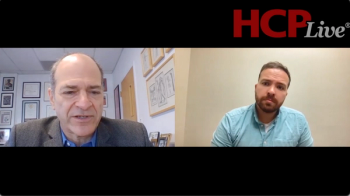
Paul M. Ridker, MD, discusses the latest findings from the canakinumab trial before highlighting his team's work with ziltevekimab in ZEUS.

Dr. Butler discusses findings from the FIDELITY analyses on the consistent benefits of finerenone, regardless of ASCVD history in patients with CKD and T2D.
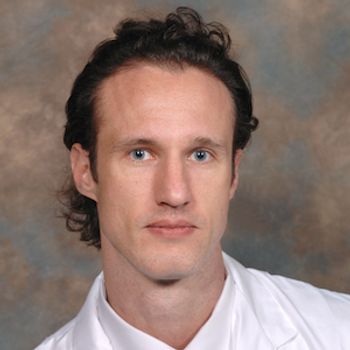
A discussion into broadening the findings of the SuperWIN trial and its potential effects on a larger, more at-risk population.
Dylan Steen, MD discusses positive findings from the trial on links between personalized education and DASH diet adherence.
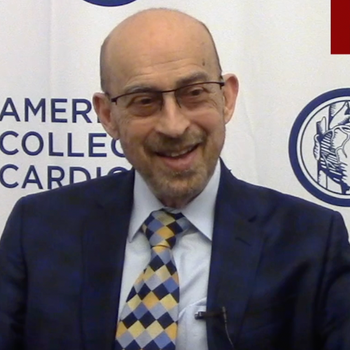
Steve Nissen, MD, reviews the promising phase 1 APOLLO findings, and details what needs to be investigated next for the siRNA.

Once a day readings over a year would detect 98.3% of the first Afib >24 hour episodes, while the probability of ≥1 false positive reading would be 98%.
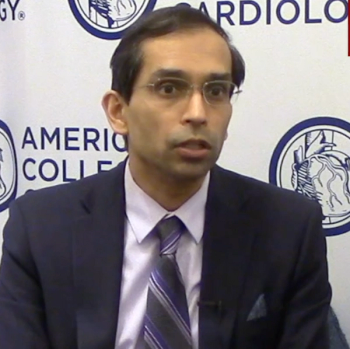
Deepak L. Bhatt, MD, MPH, reviews the latest phase 2b trial data supporting the fast-acting monoclonal antibody infusion for bleeding risk reversal.
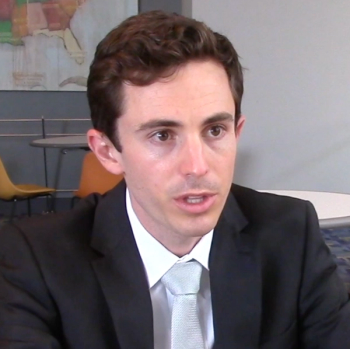
VOYAGER PAD subgroup analyses showed the anticoagulant reduced likelihood of hospitalization without increasing bleeding risk in patients with CKD.

Lead SODIUM-HF investigator Justin Ezekowitz provides insight into the trial and why dietary interventions may still be important for heart failure care.
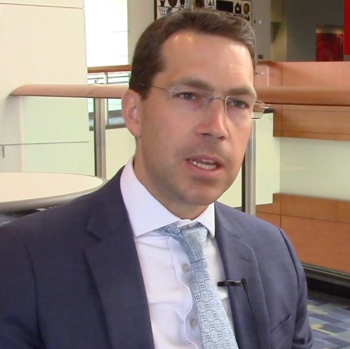
Study author Brian Bergmark, MD, discusses what's next for the ANGTYL3 inhibitor, as well as promising developments in lipid-targeting therapies.
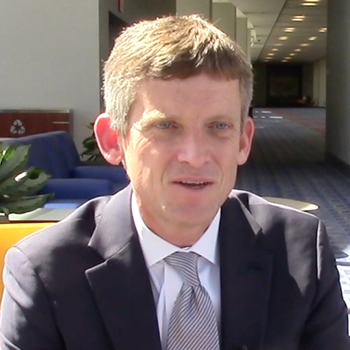
Larry Allen, MD, discusses some of ACC 2022's biggest contributions toward improving evidence-based care to patients with HF.
The majority of patients with HFrEF and RAASi-related hyperkalemia achieved optimal doses of RAASi when treated with patiromer.
Advertisement
Advertisement
Trending on HCPLive
1
eGFR Underestimates CKD in Patients with Cancer, Study Finds
2
The HCPFive: Top News for Healthcare Providers from the Week of 10/18
3
42% on Povetacicept Reach KDIGO-Aligned UPCR Target in RAINIER
4
Q&A: Looking Beyond Body Surface Area in Atopic Dermatitis Treatment Selection
5