

Cardiology
Latest News

Advertisement
Latest Videos







CME Content






















































Advertisement
More News

To celebrate the end of 2021, Practical Cardiology has created a list of the top FDA approvals from the past year based on popularity and relevance to current standards of care.

Each month, our editorial staff compiles a month in review highlighting the most popular content from the past month. December's month in review features new guidelines, FDA news, and more.

New research published in the Journal of the American Heart Association provides an overview of the changes in the rate of premature death due to acute myocardial infarction among patients in the US younger than 65 years of age.

Announced on December 22, the approval of inclisiran (Leqvio) comes nearly a year after the original PDUFA date. With approval, inclisiran becomes the first and only siRNA therapy approved to lower LDL-C with twice-yearly dosing.
Announced on Dec. 20, the US FDA awarded approval to the Sapien 3 with Alterra from Edwards Lifesciences Corporation for pediatric and adult patients with severe pulmonary regurgitation.
Announced on Dec. 20, the latest approvals for rivaroxaban (Xarelto) mark the 10th and 11th indications for the factor Xa inhibitor in the US.

The TPV system expands transcatheter therapy options for patients with congenital heart valve disease.

A recent study found the addition of LCE CT reportedly bolsters the diagnosis rate among patients with acute chest pain who have negative findings on TRO CT.

An analysis of data from the PURE study suggests those with high stress levels had a 22% greater risk of cardiovascular disease, a 24% greater risk of congestive heart disease, and a 30% greater risk of stroke compared to their counterparts with no stress.

Cardiologists have utilized new technologies during the COVID-19 pandemic.
Implicity announced their ILR ECG Analyzer received 510(k) clearance from the FDA in a statement released on December 16.

An analysis of the Women's Health Initiative suggests hypertensive disorders of pregnancy were associated with a significant increase in risk for incident heart failure, but this association was not observed for other adverse pregnancy outcomes.

Released on Dec. 15, the latest scientific statement from the American Heart Association provides a comprehensive overview of the available evidence on topics related to diagnosis, management, and pharmacotherapy for hypertension during pregnancy.

New cohort analysis suggest a heightened risk of atrial fibrillation may be worsening patients' life expectancies.

Data from an analysis of 67k older Danes suggests statin discontinuation corresponded with 1 excess event per 112 persons per year in a primary prevention cohort and 1 excess event per 77 persons per year in a secondary prevention cohort.
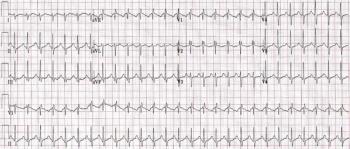
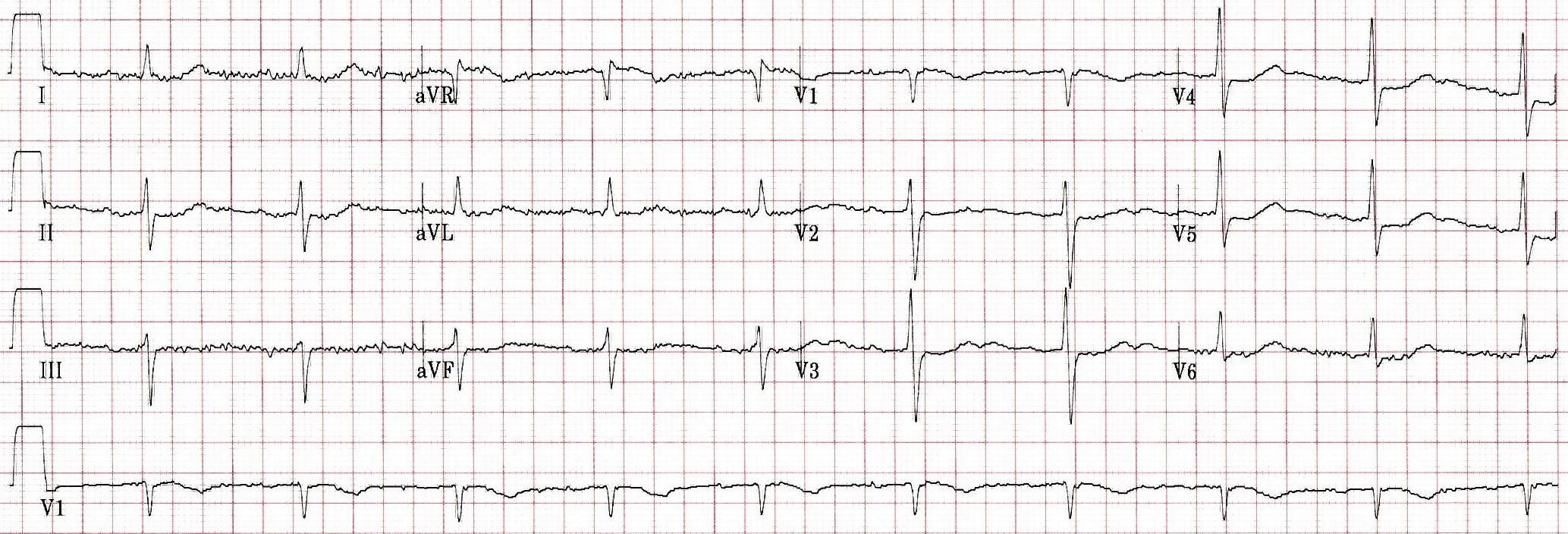
Our latest cardiology case report from Brady Pregerson, MD, features a teenager brought to the emergency department for a suspected overdose. Check out the EKG and see if you can determine the correct diagnosis.

The ACC/AHA/SCAI 2021 guideline recommendations for coronary artery revascularization were released on December 9, which they hope will replace or retire recommendations from half a dozen previous guidelines.

The Practical Cardiology editorial staff has compiled a list of 6 noteworthy posters related to cardiology from the Metabolic Institute of America's 19th annual World Congress on Insulin Resistance, Diabetes, and Cardiovascular Disease.


A new study from Northwestern breaks down the risk of cardiovascular mortality associated with smoking among younger patients. Dr. Gregory Weiss breaks down the study and offers further perspective.

After a weekend of discussions and presentations, Endocrinology Network's editorial staff has compiled a list of 6 noteworthy posters presented at TMIOA's 19th annual WCIRDC.

A retrospective analysis of patients with suspected myocarditis following COVID-19 vaccination provides clinicians with insight into the disease course, treatment, and imaging findings among this patient population.

A report published in Circulation details per month increases in both systolic and diastolic blood pressure observed during the pandemic as compared with prepandemic periods.

A case for more proactive lipid-lowering treatment initiation in a high-risk population.

Lipid testing rates are very low among those under 40 years old. Where do clinicians best target high-risk patients—and how?
Advertisement
Advertisement
Trending on HCPLive
1
eGFR Underestimates CKD in Patients with Cancer, Study Finds
2
The HCPFive: Top News for Healthcare Providers from the Week of 10/18
3
42% on Povetacicept Reach KDIGO-Aligned UPCR Target in RAINIER
4
Tegoprubart Improves Quality of Life vs Tacrolimus After Kidney Transplant
5