





Cardiology
Latest News
Advertisement
Latest Videos







CME Content






















































Advertisement
More News

There was a 135% reduction in platelet inhibition observed within 5-10 minutes following bentracimab infusion.

Treatment with statins, nitrates, dihydropyridines, verapamil, and proton-pump inhibitors were predictors of death or ischemic events for patients in the HGFR group.

A study from the Intermountain Heart Institute details the risk of pericarditis and myocarditis associated with COVID-19 vaccines among patients from within their institution's health system.

Data from the Fitbit Heart study presented at AHA 2021 suggest a novel algorithm for detecting irregular heart rhythms had a positive predictive value of 98% for detecting atrial fibrillation in patients with undiagnosed atrial fibrillation.

Data from the CRAVE trial, which was presented at AHA 2021, suggests consumption of coffee could impact heart rhythm, daily sleep, and physical activity.
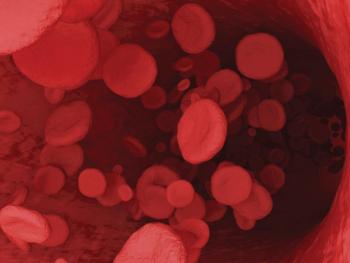
Results from the 6-month analysis of the RAPID CABG trial indicate stopping ticagrelor use 2-3 days prior to CABG was not associated with an increased risk in bleeding compared to discontinuing use 5-7 days prior to surgery.

Results of the AVATAR trial suggest early surgery could reduce the risk of MACE and mortality compared to a conservative treatment approach among patients with severe asymptomatic aortic stenosis and a normal LVEF.

Deepak Bhatt, MD, MPH, provides perspective on the results of the REDUCE-IT PAD analysis he presented at the American Heart Association 2021 Scientific Sessions.

Laura Ross, PA-C, details her experience at the American College of Lifestyle Medicine 2021 meeting and the role of lifestyle modification in preventive medicine.

Manesh Patel, MD, program committee chair of the AHA 2021 Scientific Sessions, discusses this year's conference, previews the late-breaking sessions, and reflects on his experience as chair.

Epinephrine before defibrillation was associated with lower odds of survival to discharge, favorable neurological survival, and survival after acute resuscitation
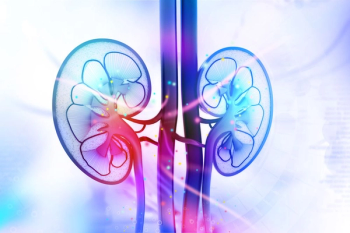
Data presented at ASN Kidney Week 2021 suggests dapagliflozin use was associated with a reduction in the rate of kidney function decline in patients with chronic kidney disease, regardless of whether they have diabetes.

Data from the CLICK trial presented at Kidney Week 2021 demonstrates chlorthalidone reduced systolic blood pressure by 11 mmHg over a 12-week treatment period among a patient population with stage 4 CKD and uncontrolled hypertension.

The treatment cannot be granted full approval due to ongoing litigation.
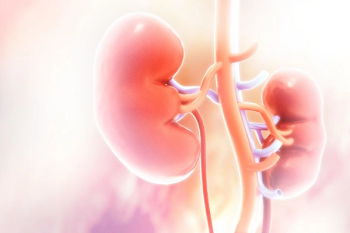
An analysis of FIGARO-DKD from Kidney Week 2021 suggests finerenone use was associated with reductions in risk of multiple renal end points, including a 36% reduction in the need for dialysis.
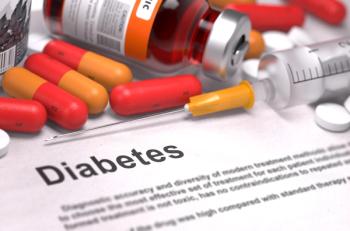
Using the Steno Type 1 Risk Engine, a team from Denmark conducted a study suggesting SGLT2 inhibition could lower risk of cardiovascular disease and end-stage kidney disease in patients with type 1 diabetes.
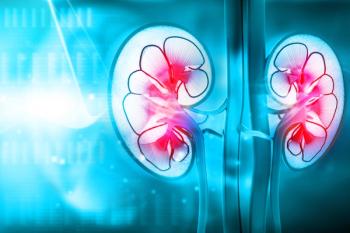
An analysis of secondary end points from FIGARO-DKD presented at Kidney Week 2021 provides further insight into the effects of finerenone on kidney outcomes, including a 36% reduction in need for dialysis.

Results of the 5-year follow-up from SURTAVI, which were presented at TCT 2021, provide insight into the associations of TAVR with mortality and stroke compared to SAVR in patients with severe aortic stenosis considered to be at intermediate risk.

Data show reduction in systolic BP was considered greater than safety concerns related to drugs and interventional treatment, and preference for no intervention over intervention.

The adjusted change in 24-hour systolic blood pressure was -11.0 mm Hg in the chlorthalidone group and -0.5 mm Hg in the placebo group.

George Bakris, MD, takes part in a Q&A with Endocrinology Network staff to explore the design of the upcoming FIND-CKD trial and potential research priorities surrounding finerenone moving forward.
Data from the FAME 3 trial cast doubt on the role of FFR-guided PCI versus CABG among patients with 3-vessel coronary artery disease.

Statin Use Could Increase Diabetes Risk, But Lower Risk of CVD and Mortality in Rheumatoid Arthritis
Data presented at ACR Convergence 2021 suggest statin initiation was associated with a 32% reduction in risk of cardiovascular disease, 54% reduction in risk of all-cause mortality, and a 33% increase in risk of type 2 diabetes.

In patients with advanced heart failure, the median NT-proBNP AUC for valsartan was 1.19 compared to an AUC of 1.08 for sacubitril/valsartan.

A time-conditional propensity score-matched analysis suggests statin initiation was associated with reductions in risk of cardiovascular disease and all-cause mortality but an increase in the risk of new diabetes in patients with rheumatoid arthritis.
Advertisement
Advertisement
Trending on HCPLive
1
eGFR Underestimates CKD in Patients with Cancer, Study Finds
2
The HCPFive: Top News for Healthcare Providers from the Week of 10/18
3
42% on Povetacicept Reach KDIGO-Aligned UPCR Target in RAINIER
4
Tegoprubart Improves Quality of Life vs Tacrolimus After Kidney Transplant
5