




Cardiology
Latest News
Advertisement
Latest Videos







CME Content






















































Advertisement
More News

A multipart series from Practical Cardiology, "A Need for Change" highlights a recent report from the AHA/ACC and the current state of professionalism in cardiology from recent data.
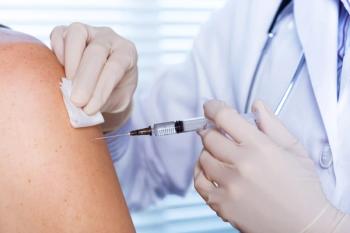
Arnold Meshkov, MD, discusses the rollout of the COVID-19 vaccines and gives perspective on the history of how vaccines have been used to help eradicate pandemics.

The indication makes the Novo Nordisk product the first weekly injection GLP-1 agonist approved for managing overweight and obesity.

Data show HDP occurred in 7.4% of pregnancies in France during the study period.

Medtronic has halted sale of the HeartWare Ventricular Assist Device System after more than 100 complaints were filed, including 14 reports of mortality.
Resolution of iron deficiency was associated with lower mortality; however, mortality risk was similar following resolution of anemia.

Data from AACE 2021 suggests the risk of cardiovascular disease was 15% greater among patients with thyroid cancer who underwent thyroidectomy than the general population, but found no significant difference in risk of cardiac mortality and atrial fibrillation.

A systematic review and meta-analysis presented at AACE 2021 details the risk of cardiovascular disease in patients with thyroid cancer who have undergone thyroidectomy.

Positive detection rate for FH through next-generation sequencing was 27.0%, compared to 8.4% using 24-variant array based test.
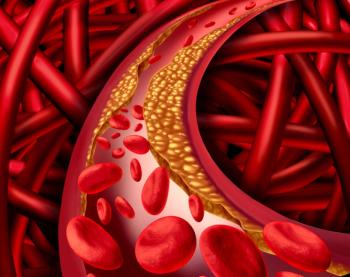
A systematic review and meta-analysis presented at AACE 2021 shed light on risk factors associated with increased odds of developing peripheral artery disease among patients with type 2 diabetes.

All patients with severe disease had abnormal ECG readings.

Check out the latest case report from Dr. Brady Pregerson. This case report features a man in his 50s presenting to the ED with palpitations. Can you determine the correct diagnosis?
W. Schuyler Jones, MD, and Manesh Patel, MD discuss the influences the aspirin-dosing cardiology trial may have on future studies.

An analysis of data from 10k women in the Lifetime Risk Pooling Project presented at EPI Lifestyle 2021 suggests premature menopause was associated with a 40% increase in risk of coronary heart disease.

Data from a retrospective review of patients with type 2 diabetes and heart failure at a diabetes center in Maryland details trends in prescribing and discontinuation in a real-world setting over a 5-year period.

There was a notable association between the comorbid population and congestive heart failure exacerbations.

An analysis of data from DASH-Sodium sheds further light on the impact of increased sodium intake on cardiovascular risk.

New observational data from the SPRINT trial provides further support of using a more intense blood pressure goal, suggesting use of 120 mmHg as a goal rather than 140 mmHg could reduce the risk of major adverse cardiovascular events.

An analysis of WHI data indicates social isolation and loneliness were associated with significant increases in risk of major cardiovascular disease, even after adjustment for other clinical risk factors.

A retrospective review of ASCVD risk factors at baseline and 1 year after initiating hormone therapy among transgender adolescents suggests the increased risk of cardiovascular disease seen among this population could be driven by increased prevalence of baseline risk factors.

Pooled data from 10k women in the Lifetime Risk Pooling Project suggests premature menopause was associated with a 40% increase in risk of coronary heart disease.

There was an association between exercise time and increased ejection fraction.

Our editorial staff and advisory board have teamed up to provide you with a shortlist of highlighted data and summary slides on their picks for the most important data to be released at the American College of Cardiology's 70th Annual Scientific Session.

More and more individuals are becoming diagnosed with atrial fibrillation. But the research to halt this crisis is not quite there yet.

An expert discussion on climate change and air pollution effects on communities, including increased COVID-19 rates.
Advertisement
Advertisement
Trending on HCPLive
1
eGFR Underestimates CKD in Patients with Cancer, Study Finds
2
The HCPFive: Top News for Healthcare Providers from the Week of 10/18
3
42% on Povetacicept Reach KDIGO-Aligned UPCR Target in RAINIER
4
Tegoprubart Improves Quality of Life vs Tacrolimus After Kidney Transplant
5