




Cardiology
Latest News
Advertisement
Latest Videos







CME Content





















































Advertisement
More News

The 2021 annual report finds that Los Angeles remains the most polluted US city, while negative impacts of climate change and COVID-19 are both linked to increased pollution rates.

An analysis of more than 400 women with peripartum cardiomyopathy is providing insight into a group of genetic variants that could help identify patients who are genetically predisposed to the rare cardiovascular condition.

New data show female veterans receive poorer secondary prevention care in treating premature and extremely premature atherosclerotic cardiovascular disease, compared to male veterans.

Data from phone interviews indicate patients who had cardiovascular surgeries delayed or cancelled as a result of the COVID-19 pandemic may have experienced additional psychological stress as a result.

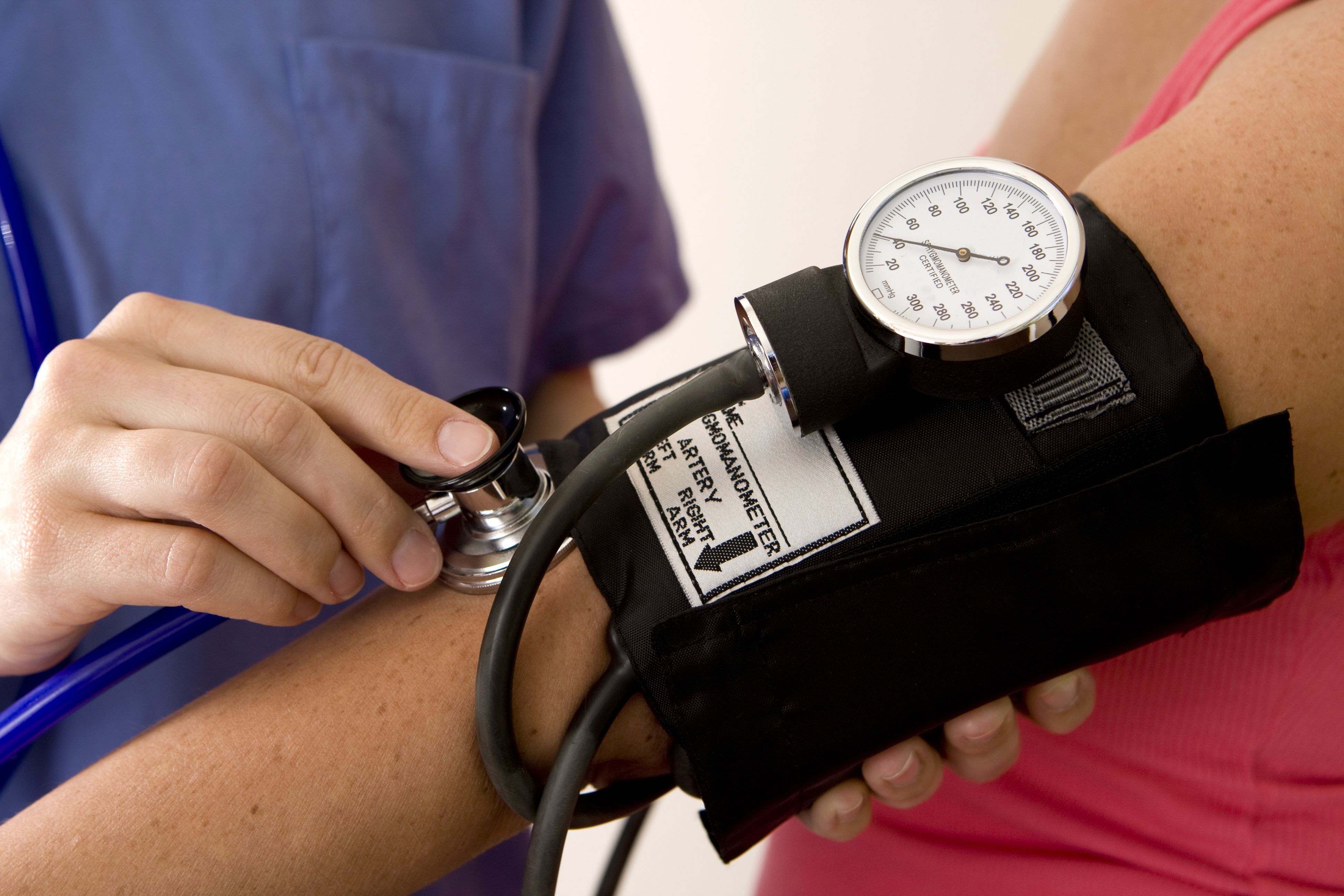
Data from a pair of Washington, DC-based medical centers are providing an overview of the impact gender-affirming hormone therapy can have on blood pressure in transgender individuals.
The largest study of its kind is providing insight related to changes in blood pressure seen among transgender patients initiating gender-affirming hormone therapy.

Data from a group of anticoagulant clinics in Michigan suggests aspirin use without an indication in patients with atrial fibrillation or VTE using DOACs was associated with an increased risk of bleeding and hospitalizations.

Anti-VEGF administration did increase the risk of nonocular hemorrhages, mostly in patients with AMD.

A new study finds patients with atrial fibrillation or venous thromboembolism were at higher risk of increased bleeding and hospitalization when treated with combination DOAC and aspirin.

An analysis of the CARDIA study by investigators at UCSF suggests a recommendation of 5 hours of physical activity per week may be more appropriate than the current ACC/AHA recommendation for reducing the risk of hypertension.

Dr. Gregory Weiss weighs in on the ongoing debate over using the term provider to refer to doctors, which has recently been reignited on social media.

Investigators collect study data from lengthy questionnaires relating to diet and demographics, finding that a high glycemic index correlates to more adverse effects in patients.
TIMI Group investigators found the effects of dapagliflozin on cardiovascular risk in patients with diabetes were comparable in those with markers of CKD and those without markers of CKD at baseline.

An analysis of medical data from a major database in Taiwan suggests an inadequate response to DMARD therapy among patients with rheumatoid arthritis was associated with increased risk of acute coronary syndrome.

A deep-learning algorithm could help clinicians identify patients at increased risk of death from cardiovascular disease within the next 5 years based on the presence of vascular calcification.

Using data from nearly 1 million patients with type 2 diabetes in a commercial database, investigators provide a comprehensive of the impact race/ethnicity, gender, and income can have on the likelihood of receiving a prescription for SGLT2 inhibitors.

An expert discusses the continued need to clarify COVID-19-related thrombosis risks as well as ensuring patients receive the most accurate information.
Using data from the CARDIA study, UCSF investigators have determined the current ACC/AHA recommendations for physical activity may not be adequate for preventing hypertension throughout life.
Maria DeSancho, MD, talks personal experiences with patients, vaccine hesitancy, mRNA versus adenovirus technology, risks and types of thrombosis, and more.

Many patients have begun to engage in unhealthy lifestyle choices during the last 12 months.

A thrombosis expert details cerebral venous thrombosis, the side effect reported in a half-dozen women administered the Johnson & Johnson vaccine.

An analysis of the DECLARE-TIMI 58 trial indicates the cardiovascular benefit of dapagliflozin use in patients with diabetes was consistent regardless of baseline kidney function and suggests the effects could be independent of glucose reduction.

A new study on dapagliflozin use finds consistent risk reduction in treatment of patients with higher rates of kidney dysfunction.

A trial led by clinicians from Northwestern Medicine suggests the presence of ischemic leg symptoms could serve as a useful indicator for patients to help determine whether they will see a meaningful benefit from their walking program.

A case-controlled study of patients in the PREVEND study indicates HDL anti-inflammatory capacity could help identify patients at a greater risk of cardiovascular disease.
Advertisement
Advertisement
Trending on HCPLive
1
eGFR Underestimates CKD in Patients with Cancer, Study Finds
2
The HCPFive: Top News for Healthcare Providers from the Week of 10/18
3
42% on Povetacicept Reach KDIGO-Aligned UPCR Target in RAINIER
4
Tegoprubart Improves Quality of Life vs Tacrolimus After Kidney Transplant
5