





Cardiology
Latest News
Advertisement
Latest Videos




CME Content






















































Advertisement
More News

A recent study from Northwestern University suggests 30-53% of all new diabetes cases in the United States were directly attributable to obesity.

A statement from Regeneron announced their ANGPTL3 inhibitor evinacumab (Evkeeza) received approval as an adjunct therapy for lowering LDL-C in patients 12 years and older with homozygous familial hypercholesterolemia.

The indication is the first granted to an ANGPTL3 inhibitor in the US.

Researchers believe identifying more risk factors could be beneficial in reducing cardiovascular disease.

The co-lead investigators discuss the upcoming first study to assess long-term outcomes on MIS-C patients.

An analysis of data from an ethnically diverse cohort of more than 120k patients indicates Chinese adults were more susceptible to obesity-related health complications, such as hypertension, than other racial/ethnic groups.

An analysis of data from the International Consortium of Blood Pressure-Genome Wide Association Studies suggests every 1 mmHg increase in blood pressure was linked to a 1.4-2.6% increase in risk of atrial fibrillation.

Data from an analysis of nearly 400k older patients suggests Medicare Advantage beneficiaries were less likely than their counterparts with commercial insurance to be prescribed newer glucose-lowering agents such as GLP-1RAs and SGLT2 inhibitors.



New data shows that a restrictive blood transfusion strategy resulted in a noninferior rate of major adverse cardiovascular events compared with a more liberal strategy.

An intervention implementing the use of a health coach in a primary care setting based on the 2013 AHA/ACC/Task Force for the Management of Overweight and Obesity in Adults guidelines was associated with greater weight loss and improvements in blood glucose levels and HDL-C compared to usual care.
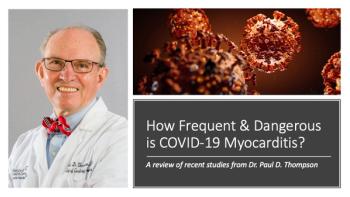
With studies and editorials being published on the topic at a historic rate, Dr. Paul Thompson offers perspective on what clinicians know about the incidence of COVID-19-related myocarditis in athletes.

The USPSTF statement reaffirms its stance against universal screenings for asymptomatic carotid artery stenosis in the general adult population.

An analysis of nearly 30k patients from the LEAD study suggests increased HbA1c variability within the first 2 years of a diabetes diagnosis was associated with a 30-59% increase in risk of incident cardiovascular disease.

In recognition of National Wear Red Day, we invited Jennifer Majersik, MD, to a special edition episode of the Practical Cardiology podcast focused on sex-based disparities in stroke care.

Two experts offer perspectives on the importance and state of cardiovascular health in women.

An analysis of 29k patients with type 2 diabetes suggests increased HbA1c variability within the first 2 years of a diabetes diagnosis was associated with a 30-59% increase in risk of incident cardiovascular disease.

This case report from Dr. Brady Pregerson features a woman in her 50s presenting with generalized weakness but denies syncope, palpitations, chest pain, or SOB. Can you determine the correct diagnosis?

Dr. Gregory Weiss, a critical care cardiologist, reflects on the importance of American Heart Month and the biggest remaining shortcomings in the fight against cardiovascular disease.

An analysis of data obtained from the CARDIA study offers insight into the subsequent cardiovascular risks associated with gestational diabetes and how glucose control after pregnancy impacts this apparent increase risk.

The review acknowledges that the harms of screening for asymptomatic carotid artery stenosis outweigh the benefits.

An analysis of more than 1.2 million patients from an STS database suggests women were 14-22% less likely to undergo guideline-recommended revascularization procedures than their male counterparts.

Women with a history of GD had a 2-fold higher risk of CAC across all subsequent levels of glucose tolerance.
Advertisement
Advertisement
Trending on HCPLive
1
eGFR Underestimates CKD in Patients with Cancer, Study Finds
2
The HCPFive: Top News for Healthcare Providers from the Week of 10/18
3
42% on Povetacicept Reach KDIGO-Aligned UPCR Target in RAINIER
4
Tegoprubart Improves Quality of Life vs Tacrolimus After Kidney Transplant
5