




Cardiology
Latest News
Advertisement
Latest Videos





CME Content






















































Advertisement
More News

A study from the University College of London estimated the impact of nonattendance to emergency department visits on excess cardiac mortality during the March 2020 peak of the pandemic.

This article features the top 6 stories in Practical Cardiology's coverage of lipid management in 2020.

Deepak Bhatt, MD, MPH, offers his perspective on how the ongoing pandemic has influenced clinical trials during 2020 and whether he thinks any changes will persist beyond the COVID-19 era.

This article features the top 5 stories in Endocrinology Network's coverage of women's health during 2020.

Check out the latest case report from Brady Pregerson, MD. This report features a woman in her late teens presenting with palpitations and shortness of breath. Can you determine the correct diagnosis?

Elevated cardiac troponins during hospitalization for influenza is associated with heightened risk of mortality after hospital discharge.
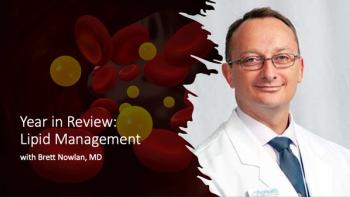
Practical Cardiology Advisory Board Member Brett Nowlan, MD, offers his perspective on the most important advances and topics in the field of lipidology from 2020.

Gregory Weiss, MD, a cardiovascular anesthesiologist and critical care physician, reflects on his experiences during 2020 and coping with the additional stress and responsibilities that accompany the COVID-19 pandemic.

Investigators from the University of California used a 3D silicone model of blood vessels in the brain to help elucidate this uncertain relationship.

The US FDA has declined to approve inclisiran ahead of its PDUFA date of December 23, instead issuing a CRL citing unresolved facility inspection issues.

The study reports that risk is greater in female patients and those born small for gestational age. However, overall causality is still uncertain.
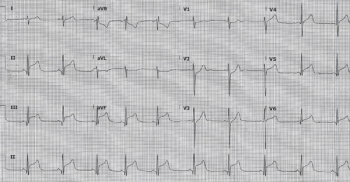
Our latest emergency department minute quiz from Brady Pregerson, MD, features a patient in his 20s with a history of pancreatitis presenting with epigastric and chest pain.

In this column, titled "Give Them Back Their Clothes", Dr. Paul Thompson reflects on the importance of creating a personal connection with patients as part of their care routine and the impact it can have on patients.

A retrospective analysis of more than 7k patients from the ACCORD trial suggests intensive blood pressure and intensive blood glucose control could reduce the risk of cardiovascular autonomic neuropathy in diabetics.

Dr. Gregory Weiss offers perspective on a recent guideline update from the American Heart Association outlining strategies to best manage risk of cardiovascular disease in women entering menopause.

Novartis indicates they will address manufacturing issues cited by the FDA.

Patients with any presence of small vessel disease had a 2-times greater risk of recurrent ischemic stroke than those without.

Results of the INVESTED trial are shedding light on cardiovascular and pulmonary outcomes among patients with high-risk cardiovascular disease receiving standard-dose vs high-dose influenza vaccines.

Dr. Gregory Weiss offers perspective on a recent guideline update from the American Heart Association outlining strategies to best manage risk of cardiovascular disease in women entering menopause.

There were similar rates of primary outcome events in the high-dose and standard-dose vaccination groups.

An analysis of more than 7k patients with CAN data from the ACCORD trial suggest intensive blood pressure and blood glucose control could reduce risk of cardiovascular autonomic neuropathy.

Learn more about the importance of educating patients on the differences between store-bought fish oil supplements and therapies derived from omega-3 such as icosapent ethyl (Vascepa).

Despite these findings, there is still uncertainty as to whether mitigating symptoms of depression can lower cardiovascular risk.

The agency is expected to rule on the Novartis treatment in 2021.

The FDA's Cardiovascular and Renal Drugs Advisory Committee (CRDAC) voted 12 to 1 in favor of an indication for sacubitril/valsartan (Entresto) during a December 15 meeting.
Advertisement
Advertisement
Trending on HCPLive
1
eGFR Underestimates CKD in Patients with Cancer, Study Finds
2
The HCPFive: Top News for Healthcare Providers from the Week of 10/18
3
42% on Povetacicept Reach KDIGO-Aligned UPCR Target in RAINIER
4
Kidney Compass: Final 2-Year TELIGAN Data for Telitacicept in IgA Nephropathy
5