

















































An analysis of more than 2k patients from hospitals in Spain detail associations between statin use and lower rates of COVID-19 mortality.
An analysis of more than 2k patients from hospitals in Spain detail associations between statin use and lower rates of COVID-19 mortality.

Advisory Board member Dr. Paul D. Thompson offers perspective on recent guidance from the ACC on returning to sports and exercise during the COVID-19 era.

An analysis of data from 3 major studies details associations between diets characterized by intake of pro versus anti-inflammatory foods with incidence of cardiovascular disease.

Dr. Gregory Weiss reflects on a pair of addendums to 2019 guidance from the ACC/AHA on the primary prevention of CVD, which focus on the role of nutrition and diet in patients.

How good are your diagnostic skills? Test them with this month's Visual Dx quiz!

An analysis of women treated at Columbia University Irving Medical Center details outcomes in pregnant women with cardiovascular disease treated by a cardio-obstetrics care team.
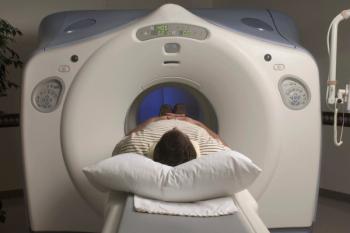
A recent study has found use of contrasting agents in cardiac MRIs carries a low risk for allergic reactions, vomiting, and other adverse events.

Tunneled catheters resulted in lower rates of deep vein thrombosis when compared to PICCs.

Results from an analysis of patients presenting at 3 NYC-based centers suggests CTA scans combined with clinical questionnaire data yielded an 83% accuracy rate for diagnosing COVID-19 in stroke patients.

An analysis of data from European registries provide an overview of reductions in MACE and other benefits associated with metabolic surgery in severely obese patients with a history of myocardial infarction.

Dr. Gregory Weiss reflects on the impact of isolation and loneliness on older patients during the COVID-19 pandemic.

Anti-TNFs, vedolizumab, ustekinumab, thiopurines, and 5-ASA were all linked to a lower risk of myocardial infarctions.

An analysis of the Dallas Heart Study from UTSW details how use of CAC scoring can help determine what patients would stand to benefit from aspirin use for primary prevention.

An analysis of data from women treated at Columbia University Irving Medical Center details outcomes in pregnant women with cardiovascular disease treated by a cardio-obstetrics care team.

Results of an analysis of data from the SWEDEHEART and SOReg registries describe reductions in MACE and other health markers associated with metabolic surgery in severely obese patients with a history of myocardial infarction.

The double-blind trial reported on long-term cardiovascular and kidney outcomes in patients with chronic kidney disease and type 2 diabetes.

An analysis of a Swedish obesity study with more than 20 years of follow-up data is detailing differences in life expectancy among patients who undergo bariatric surgery versus those opting for usual care.

An analysis of data from more than 9 million women details the increased odds of developing gestational diabetes, gestational hypertension, and other complications associated with having polycystic ovary syndrome.

Results from FIDELIO-DKD suggest finerenone was associated with reductions in progression of chronic kidney disease and potential improvements in cardiovascular health.

Compared with prophylaxis anticoagulation, full dose anticoagulation provided a greater survival benefit to those in a predominantly black population.

Our latest emergency department minute quiz from Brady Pregerson, MD, features a woman in her 20s with heart palpitations. Can you determine the correct diagnosis?

Dr. Albert discusses how preventative care and access to health care are important in closing health discrepancies.
Our latest emergency department minute quiz from Brady Pregerson, MD. Can you determine the correct diagnosis?
Dr. Albert discusses some ways to close the racial outcome gaps in cardiology.
Practical Cardiology advisory board member Tsuyoshi Kaneko, MD, reflects on 3 studies examining topics related to TAVR from late-breaking sessions at TCT Connect 2020.