




























































An associate professor from University of Toronto discusses whose responsibility it is to prescribe SGLT2 inhibitors to patients.
An associate professor from University of Toronto discusses whose responsibility it is to prescribe SGLT2 inhibitors to patients.

For obese patients, both weight gain and loss was linked to an increase in the rate of incident venous thromboembolism.
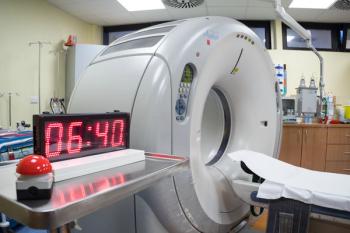
Could an alarm clock in the room where stroke care is performed contribute to more streamlined care?

While rates of recurrent events have declined, the rates of decline have not been equal between sexes and risk of recurrent events still pose a serious risk to heart attack survivors.
This decrease in hospital admissions had no association with regional prevalence of COVID-19.

New data suggest resuming or increasing sexual activity shortly after myocardial infarction could reduce risk of mortality.

Our latest Emergency Department Minute Quiz from Brady Pregerson, MD. Can you determine the correct diagnosis?

Treatments for VTE in children fall short as they require frequent monitoring and include unpredictable food and drug interactions.
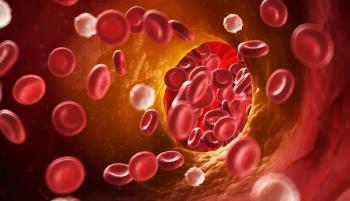
Chief member of Practical Cardiology's editorial advisory board discusses his approach to cholesterol education and the current state of cholesterol management in 2020.

Results of the analysis offer further clarity on the detrimental impact of smoking on overall and cerebrovascular health.

Individuals in vulnerable populations had a higher proportion and odds of not being vaccinated within the past year.

Ustekinumab should be prescribed cautiously to those at high cardiovascular risk.

New research suggests children treated with high-doses of oral glucocorticoids could be at a greater risk of diabetes, hypertension, and venous thromboembolism.

A meta-analysis of more than 3 dozen RCTs suggests increased intake of omega-3 supplements, such as EPA and DHA, was linked to a decreased risk of myocardial infarction action and coronary heart disease events.

Current therapies focus on relief of symptoms, but there is still an unmet need to address and target the molecular defects of hypertrophic cardiomyopathy.

Data from the WHI indicates adverse pregnancy outcomes were associated with increased risk of ASCVD later in life.

Post-discharge thromboprophylaxis is not necessary.

The rate of adverse events was higher in patients suffering from both deep vein thrombosis and pulmonary embolisms than it was in just patients with DVT.

With September recognized as National Cholesterol Education Month, Dr. Weiss reflects on the importance of cholesterol management as part of mitigating risk of events in patients with ASCVD.
Lanthanum is commonly prescribed to CKD patients to help reduce the risk of bone and cardiovascular disease.

An unresponsive older man presents to the emergency department after bystanders report he was thrashing around unconscious at a fast-food restaurant.
Our latest Emergency Department Minute Quiz from Brady Pregerson, MD. Can you determine the correct diagnosis?

Data from more than 4500 diabetics suggest CAC was better at predicting CVD and all-cause mortality in women than in men.

An interview examining the use of coronary artery calcium scores for predicting CV events and stroke risk in real-world settings.

A study published in an AHA journal describes recent trends, predictors, and outcomes of stroke in patients with hypertensive disorders of pregnancy.