




























































Guideline adoption could lead to more use of thrombolytic therapy.
Guideline adoption could lead to more use of thrombolytic therapy.

An analysis of PORTRAIT registry data indicates depression and presence of depressive symptoms can have a notable negative impact on management of peripheral artery disease.

Dr. Gregory M. Weiss reflects on the role of wearable technology before, during, and after the COVID-19 pandemic from the perspective of a cardiologist.

An analysis of data from the ARIC study is detailing associations between lower levels of sex hormones and risk of incident heart failure in older adults.

In a cross-sectional study among CAD patients, investigators found that 30.3% of heart team treatment recommendations diverged from original consultation.
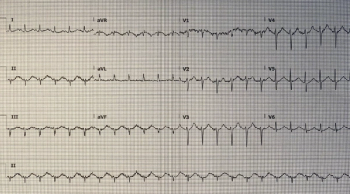
Our latest case report from Dr. Brady Pregerson. Do you know the appropriate diagnosis?

A new scientific statement from the American Heart Association is acting as a "call to action" for greater research into the effects of marijuana, according to the statement's co-author.

An analysis of patient data from Europe suggests an increased number of infections requiring antibiotic use was tied to an elevated risk of coronary heart disease in type 1 diabetics.

New data shows an adherence to troponin testing could complement optimized care.

A new study is detailing the increased risk of coronary artery disease associated with certain reproductive factors in postmenopausal women.

The study paves the way for prospective multi-institutional randomized control trials to further re-enforce the safe use of direct oral anticoagulants in patients with obesity.

Analysis of PEGASUS-TIMI 54 patients indicates incorporating the biomarker into guideline-based risk assessment could improve risk classification and care.
Data from a prospective cohort study in Europe indicates increased antibiotic use and LPS activity levels were tied to increased incidence of coronary heart disease events.

Research suggest polycystic ovary syndrome was tied to a 19% increase in risk of cardiovascular disease in women from a cohort within the UK.

Having 3 or more pregnancies, a shorter reproductive life span, or early age at menopause onset were linked to increased risk of CAD in a recent study.

Among Hispanic and Latino patients with peripheral artery disease 31% reported use of antiplatelet therapy, 26% reported use of lipid-lowering therapy, and 57% reported use of antihypertensive therapy in a new study.
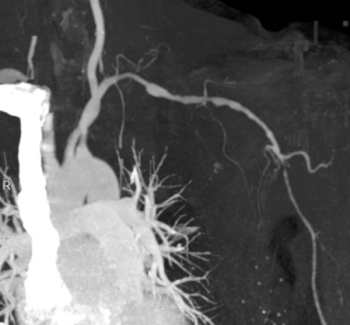
How good are your diagnostic skills? Test them with this month's Visual Dx quiz!

An analysis of more than 60k women suggests those with polycystic ovary syndrome were 19% more likely to develop cardiovascular disease.

Deepak Bhatt, MD, offers perspective on how the ongoing pandemic has impacted clinical trials in the cardiovascular space.

The most common adverse events were injection-site reactions and headaches.

A new network meta-analysis offers an overview of the clinical benefit of less than 6 months, 6-month, 12-month, and extended periods of DAPT therapy after PCI with drug-eluting stents.

A systematic review and meta-analysis is detailing the risks of new-onset and recurrent heart failure, separately, in patients with diabetes mellitus.

A systematic review and meta-analysis found bariatric surgery in obese patients was linked to decreases of more than 35% in risk of all-cause and cardiovascular mortality.

An endocrinologist offers perspective on his reaction to EMPEROR-REDUCED topline results and what he hopes to see from the full results at ESC 2020.
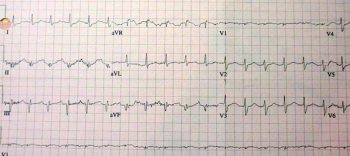
The latest case report from Dr. Brady Pregerson concerns a 52-year-old female with a history of asthma presenting with a cough, tactile fever, and dyspnea.