




























































Chief Medical Officer of Applied Therapeutics discusses a study presented at ADA 2020 examining use of an aldose reductase inhibitor for diabetic complications.
Chief Medical Officer of Applied Therapeutics discusses a study presented at ADA 2020 examining use of an aldose reductase inhibitor for diabetic complications.

Silvio Inzucchi, MD, discusses an EMPA-REG OUTCOME analysis assessing the impact of empagliflozin in patients who experience an initial dip in eGFR.

Deepak Bhatt, MD, MPH, discusses the results of the latest REDUCE-IT analysis, titled REDUCE-IT DIABETES, presented at ADA 2020.

Kieran Docherty, MBChB, discusses the results of a DAPA-HF analysis he presented at ADA 2020.

Discussing the effect of canagliflozin in patients with diabetes and chronic kidney disease with Meg Jardine, MBBS, PhD.

Lower treatment odds for women were also observed in a set of 7 studies that had data on the subgroup of patients eligible for IV rtPA treatment.

A look at how the rare pulmonary disease field of research has been limited.

The outcomes of clinical trials are often affected by the diversity of the patient population studied. Things like race and gender can make a real difference in the way drugs work– and yet women, minorities and older adults continue to be underrepresented in pivotal trials for new medications . Two recent studies demonstrate that fact over the last several decades. And although the proportion of these populations enrolled in clinical trials has increased, it is still well out of step with the number of patients affected by the diseases in question. Sr. Editor Gretchen Cuda Kroen spoke with Dr. Erin Michos, co-author on those studies about the origins of the disparity, and what what we can do about it.

An NIH-funded analysis of the Jackson Heart Study is diving deeper into the impact of smoking on African Americans.

A new study from the University of Arizona is shedding light on the psychological impact of Tai Chi in patients with cardiovascular disease.

Analysis of the Framingham Heart Study indicates the rate of ICH in older patients has been on the rise and suggests anticoagulant use could have contributed to this increase.
Greg Cosgrove, MD, explains how the respiratory condition can be overlooked by patients and clinicians.
A new analysis examines impact of treatment adherence in more than 1.2 million patients.

A new observational analysis from the University of Mississippi Medical Center is disputing the notion marijuana use increases stroke risk.

Despite normally being associated with end of life care, new research suggest palliative care could benefit heart failure patients.

The expanded indication is the first regulatory approval for aspirin plus ticagrelor dual antiplatelet therapy in those with a high risk, but no history of heart attack or stroke.
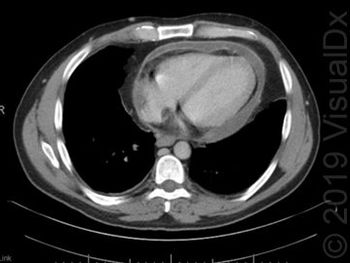

A new systematic review and meta-analysis is shedding light on the potential impact of inadequate health literacy on mortality and hospitalizations in heart failure patients.

Discussing the results of a recent analysis that estimated the impact of comprehensive therapy with SGLT2 inhibitors, ARNIs, and MRAs in patients with HFrEF.

This week I spoke with Endocrinologist Harold Bays, where we discuss the problem of obesity, and the challenges of working with obese and diabetic patients to help manage their weight and stay healthy. Dr. Bays is the medical director and president of the Louisville Metabolic and Atherosclerosis Research Center, as well as an expert in obesity and lipid medicine, and has some great insights for both clinicians and patients alike.

The latest scientific statement from the American Heart Association examines disparities in risk factors, social determinants of health, and management approaches for these patients.
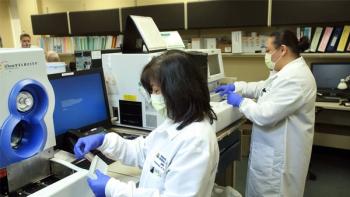
Researchers at Johns Hopkins have found that when testing for the coronavirus, the chance of a false negative result is greater than 1 in 5 and, at times, far higher. The researchers caution that the predictive value of these tests may not always yield accurate results, and timing of the test seems to matter greatly in the accuracy.

Social isolation could increase risk for cardiovascular events by 40%, according to new research presented at EAN 2020 Virtual Congress.

The findings emphasize the need to have a healthy diet and lifestyle before pregnancy.