


























































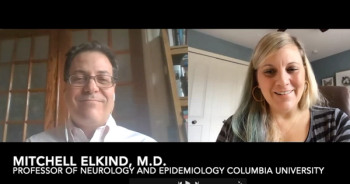
Mitchell Elkind, M.D. , neurologist and epidemiologist at Columbia University discusses the neurological changes seen in COVID-19 patients, including an increased risk of stroke and seizure.
Mitchell Elkind, M.D. , neurologist and epidemiologist at Columbia University discusses the neurological changes seen in COVID-19 patients, including an increased risk of stroke and seizure.

Dr. Mariell Jessup, Chief Science and Medical Officer at the AHA discusses the cardiac dangers of combining hydroxychloroquine and azithromycin to treat coronavirus patients with underlying heart disease, the controversy surrounding putting medical students and trainees on the frontlines of COVID-19 too soon, and the changing roles of telemedicine.
A new Emory University-led study is shedding more light on the impact mental stress can have on cardiovascular health.

Sr. Editor of Practical Cardiology Gretchen Cuda Kroen interviews Dr. Nir Uriel, a cardiologist on the frontlines of the COVID-19 epidemic in NYC. Dr. Uriel describes the cardiovascular presentations of COVID-19 he and his colleagues are seeing, how they diverge from the conventional respiratory presentation, and what this means for the diagnosis and treatment strategies for these patients.
The intervention is no better than usual care at improving the mood or burden of those caring for adults with advanced heart failure, according to new findings.
A discussion about a recent scientific statement outlining the treatment of coronary artery disease in type 2 diabetics from the AHA with statement co-author Deepak Bhatt, MD.

New research from Emory University is shedding light on a potential link between post-traumatic stress disorder (PTSD) and mental stress-induced myocardial ischemia in patients with stable coronary artery disease. The study, led by Viola Vaccarino, MD, PhD, of the department of epidemiology at Emory University Rollins School of Public Health, found that patients with stable coronary artery disease who survived a recent myocardial infarction (MI) and had PTSD were at a greater risk of developing myocardial ischemia than those who did not have PTSD.

Investigators from Saint Louis University discuss a new comparison of 2 drug classes that could reduce the risk of adverse cardiovascular events.
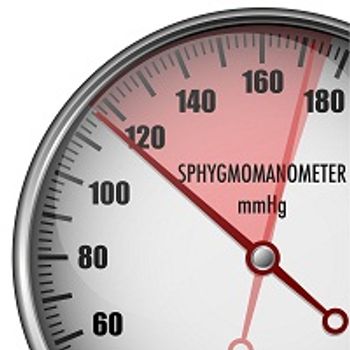
A new study analyzing at-home blood pressure devices available for purchase online has found most are not validated—bringing their accuracy into question.
A new scientific statement from the AHA offers guidance to clinicians tasked with treating CAD in patients with type 2 diabetes.
A discussion with Paul W. Armstrong of the University of Alberta, on the pandemic's effect on common ICU conditions.

New research is shining light on the use of eGFR as a biomarker for increased cardiovascular risk.
In a new study, investigators discover the hazard of depression increases with each BMI category.
Paul W. Armstrong, MD, joins to discuss the virtual cardiology sessions, as well as his team's new findings for vericiguat in high-risk heart failure.
Results of a 26-year study examine the impact of a dozen different lifestyle interventions in a cohort from the Nurses Health Study.
A new retrospective analysis suggests CABG may be more appropriate for CAD patients with severely reduced left ventricular ejection fraction.
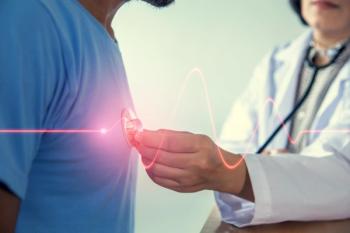
Gretchen Cuda Kroen, Senior Editor of Practical Cardiology interviews Stephen Kopecky, MD a cardiologist and specialist in Preventative Medicine from the Mayo Clinic about what patients and their physicians need to know about staying healthy with heart disease in the wake of COVID19.

Results of an analysis of more than 20 randomized trials indicates women are at a greater risk of MACE and all-cause mortality than men following PCI.

The American Thoracic Society has released a set of guidelines to help clinicians treating patients with COVID-19.

Discussing research related to TAVR with a cardiac surgeon from Brigham and Women's Hospital.
Discussing takeaways from the late-breaking abstracts related to TAVR presented at ACC.20/WCC with a cardiac surgeon from Brigham and Women's Hospital.
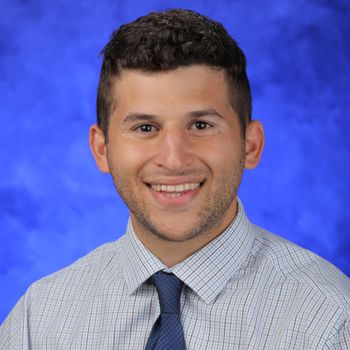
The latest piece coming to us through Notes from Rounds examines how the timing of hormone replacement therapy can impact potential for adverse outcomes.

A new perspective from federal and institutional experts explains the cause of disease severity and mortality in older, cardiovascular-risk patients.

How do e-cigarettes fit into the cardiovascular health paradigm? What more needs to be learned?

A new perspective from a team of Maryland-based cardiovascular clinicians sheds insight on an often forgotten facet of the inherent COVID-19 risk carried by patients with cardiovascular history: the decline in angiotensin-converting enzyme 2 (ACE2) expression associated with aging, and the response of care most common in such patients.