


























































A look at the state of cardiometabolic care based on research at ACC.20/WCC from a fourth-year medical student.

A look at the state of cardiometabolic care based on research at ACC.20/WCC from a fourth-year medical student.

How new DAPA-HF findings continue to build the SGLT2 inhibitors' cardiovascular portfolio.

Breaking down the details of the E3 trial, and what more needs to be found in the follow-up.

A 40-year-old woman went to the doctor after petechia and palpable purpura appeared on the palms of her hands, fingers, and toes. She appeared chronically ill and had significant weight loss. Her doctor also noted the presences of Osler nodes. She did not have any recent injuries or skin punctures and reported she had been in good health until the last few weeks. Based on these clues, how would you diagnose this patient?

Glucagon-like receptor agonists did not reduce the rate of hospitalization for heart failure as much as SGLT2 inhibitors did.

A new study presented at the American College of Cardiology’s Annual Scientific Session Together with World Congress of Cardiology (ACC.20/WCC) has revealed a low birth weight could serve as an indicator for increased risk of cardiovascular disease in mothers.

A new study examining the impact of increased protein intake in older women has returned promising results showing a potential reduction in the risk of one of the most common cardiovascular conditions.

Patients of both sexes and differing levels of LVEF reported similar reductions in NT-proBNP when treated with the combination therapy, versus lone valsartan.

An interventional cardiologist shares perspective on what the new two-year TAVR findings mean for him and colleagues.

New secondary analsysis from the large-scale heart failure trial shows continued benefit of the SGLT2 inhibitor.

Discussing a REDUCE-IT substudy presented at ACC.20/WCC examining the impact of various EPA levels on outcomes seen in REDUCE-IT.

Results of the TICO study support use of ticagrelor monotherapy for patients with ACS requiring PCI with drug-eluting stents.

For every 1% higher baseline A1C, there was a 0.06 lower standardized CASI z-score.

New ACC findings show smokers given nicotine or non-nicotine e-cigarettes better in 12-week cessation than those just given counseling.

Results of a TWILIGHT subanalysis suggest ticagrelor monotherapy might cause less bleeding without increasing events in patients with requiring complex PCI.

A new subanalysis from the TWILIGHT trial found benefits of ticagrelor monotherapy remained consistent across both diabetics and nondiabetics.
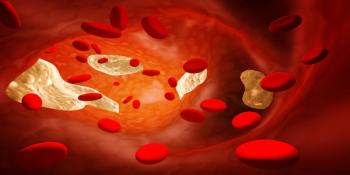
Results of a pooled analysis of trials from the ORION program offer further insight into the effects of inclisiran on LDL-C in patients with atherosclerotic cardiovascular disease.

Results of the CARAVAGGIO trial found oral apixaban was noninferior to subcutaneous dalteparin for preventing cancer-associated VTE without increasing a patient’s risk for major bleeding.

Results of the SPYRAL-HTN OFF MED indicate renal denervation could prove useful for lowering SBP in patients with untreated hypertension.

Marc Bonaca, MD, discusses the results of a subgroup analysis examining the impact of concomitant clopidogrel use in VOYAGER-PAD study.

New PRONOMOS data shows patients receiving lower limb surgery benefit significant from the oral anticoagulant—without increased risk of bleeding.

Results of POPular TAVI indicate concomitant clopidogrel with oral anticoagulants increases risk of bleeding in patients requiring long-term anticoagulation after TAVI.

New trial data shows symptomatic patients with aortic stenosis reported noninferiority in rehospitalization and deaths with the lesser invasive option compared to surgery.

A new ACC 2020 study shows the modifiable levels of CVD risk are distinguishable to long-term event possibility.

A heart failure and transplant cardiologist assesses the new study findings.