
























































A Mayo Clinic analysis is shedding light on the real-world success of ablation in lowering risk of mortality and HF hospitalizations.
A Mayo Clinic analysis is shedding light on the real-world success of ablation in lowering risk of mortality and HF hospitalizations.












New data from EPI Lifestyle Conference 2020 is shedding light on the impact of initiating estradiol therapy closer to the onset of menopause.
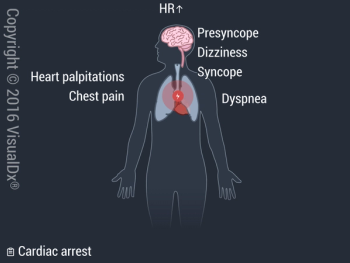
A 42-year-old man visited the ED complaining of acute onset of dizziness, heart palpitations, and a racing heartbeat. He's been working overtime and drinking caffeinated energy drinks to stay awake. He said he had multiple episodes of faintness over a short period of time. Can you diagnose this patient?

An analysis of 180,000 patients in South Korea is shedding new light on the potential poor oral hygiene can have on a person's risk of diabetes.

New data from Brigham and Women's Hospital suggests sleep irregularity could be a risk factor for cardiovascular disease.

Analysis of more than 13k patients from Taiwan found a vegetarian diet was linked to a lower risk of incident stroke events later in life.

A discussion on how to approach the real-world application of bempedoic acid with the Chief of Cardiology at Baylor College of Medicine.

The non-statin, fixed-dose combination therapy received approval less than one week after bempedoic acid received approval for treatment of HeFH.

The approval is the second non-statin LDL-C lowering therapy from Esperion to receive approval in the month of February.

Early menopause onset has been linked to increased CVD risk, but a new study from England is examining whether age of onset has a role in worsening risk factors.
The approval allows Zynex to market CM-1500, a blood monitoring system aimed at helping doctors monitor various patient parameters.

Results of the LINK-HF study indicate a wearable sensors from Vital Connect combined with a predictive algorithm can predict HF exacerbations.

A fourth-year medical student discusses strategies for anticoagulation reversal in intensive care units from a presentation during the 49th Annual Critical Care Congress in Orlando.

New data from a study of 30 patients found specific characteristics of gut microbiota could predict the presence of pulmonary hypertension with greater than 80% accuracy.