




























































New VICTORIA findings show the novel therapy may reduce risk of severe outcomes among high-risk patients with HFrEF.
New VICTORIA findings show the novel therapy may reduce risk of severe outcomes among high-risk patients with HFrEF.

Discussing the impact of COVID-19 on ACC.20/WCCardio and the cardiology community throughout the country.
Discussing how approval of bempedoic acid impacts the role of PCSK9 inhibitors for lowering LDL-C.

New findings show eligible men and minority group patients are less likely to receive a fill for the novel drug class.

What is the role of ACE inhibition or angiotensin receptor blockers (ARBs) within regard to the novel coronavirus (COVID-19)?
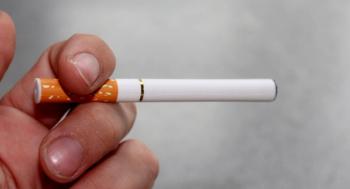
Electronic cigarette use has grown to approximately 1 in every 20 US adults, according to new findings presented virtually at the American College of Cardiology (ACC) 2020 Scientific Sessions this week.
While chemotherapy with anthracycline and trastuzumab have been linked to cardiotoxicity, new research is suggesting a common cardiovascular medication could help offset some of the negative impact on cardiovascular health in breast cancer patients.
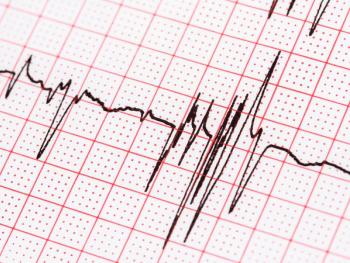
While multiple previous studies have detailed the additional risk of arrhythmias associated with patients who have cancer, new data is shedding light on which forms of cancer carry the greatest risk.
A new study assesses the preference and benefit of conscious sedation versus general anesthesia in TAVR patients.

An open-label extension of GLAGOV shows the monoclonal antibody plus statin therapy is not associated with any new safety concerns.

New research is shedding light on national trends in outcomes and predictors of in-hospital mortality for patients undergoing surgical embolectomy for acute pulmonary embolism.

A study’s proposed findings of increased coronavirus risk shows how presenting half of a fact can influence our care during a pandemic.

A new Emory University study sheds light on the relationship between mental and cardiovascular health.

How cardiovascular experts have been communicating with international colleagues to inform local care response.

What effect may professional athletes receiving asymptomatic tests have on the public perception of the coronavirus?

A study of 416 hospitalized patients indicates 19.7% suffered cardiac injury, which was also associated with increased ventilation and mortality.
A special edition ACC House Call with Deepak Bhatt, MD, to discuss the results of a meta-analysis looking at ticagrelor and MALE from 2 clinical trials.
A discussion on a study from ACC.20 examining use of a novel genetic risk score to predict VTE in patients with cardiometabolic disease.
An ACC board member explains the major cardiology college's decision to move the meeting online during the COVID-19 pandemic.

The Mount Sinai expert and ACC late-breaking presentation panelist highlights her most anticipated trial data and discussions in the upcoming meeting.
Executive Director of Interventional Cardiovascular Programs at Brigham and Women's discusses some research he took part in being presented at this year's conference.

In a new study, investigators discover 7-8 hours as the optimal sleep duration for reducing the risk of strokes and heart disease.

Muthiah Vaduganathan, MD, MPH, discusses how research of the add-on drug class will continue to evolve into 2021.
What's known about at-risk cardiometabolic patient care during the pandemic.

Drug-induced sudden cardiac death is linked to several medications currently used to treat COVID-19.