
























































The move comes less than 3 months after a United States District Court for the District of Nevada invalidated 6 Vascepa patients owned by Amarin.
The move comes less than 3 months after a United States District Court for the District of Nevada invalidated 6 Vascepa patients owned by Amarin.

The experience of a physicians during the current COVID pandemic is not one-size-fits-all. The experience of a physician in rural Oklahoma for example, is likely very different from that of a physician at the epicenter of the outbreak in New York City. Listen to Comilla Sasson, MD - a physician from Aurora Colorado,- talk about her experiences in New York, why she went, and what she hopes to gain from the experience.

A new analysis of the DASH trial found a fruit-and-vegetable diet was associated with lower levels of hs-cTnl and NT-proBNP.

In a new study presented at ATS, investigators find CPAP withdrawal worsens the augmentation index.
New data from NYU Langone Health found the rate of stroke in hospitalized patients was less than 1%, much lower than the reported rate of 2-5% from other countries.

New research suggests BP during and after exercise could indicate increased risk of hypertension, cardiovascular disease, and mortality.

A new meta-analysis finds women are less likely to receive ACE inhibitors, statins, and other recommended CV medications than their male counterparts.

All that PPE can make communication difficult in an operating theatre. Thus the graphic found on twitter, showing some creative sign language doctors and nurses are using to get the point across. Enjoy!

Some cardiovascular medications are prescribed to women less often than men according to a study published today in the Journal of the American Heart Association.
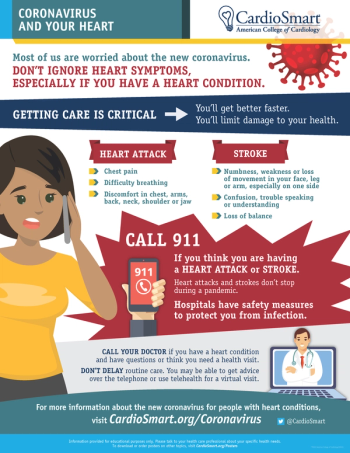
Over the last several months during the pandemic, emergency room physicians have seen a curious phenomenon – far fewer patients presenting with myocardial infarction (MI), stroke, and other emergency conditions.

Individuals with obstructive sleep apnea were more frequently male, obese, and had more coronary heart disease when compared to those without OSA.
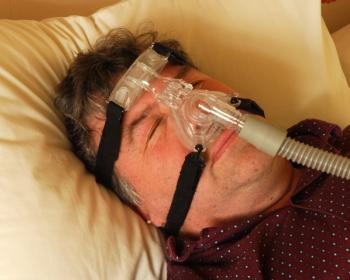
A six-month study shows the common OSA therapy could have long-term benefit for reducing eventual cardiovascular risk.

New research from an analysis of the Rush MAP is examining associations between FGCRS and cognitive decline later in life.

While initial double therapy has proven effective in treating pulmonary arterial hypertension, adding selexipag to the treatment regimen of macitentan and tadalafil could be beneficial in this patient population.

An assessment of a combined pharmacologic and cognitive behavioral therapy program shows patients improve FEV1, FVC, and other metrics.
A new analysis from SCAI 2020 is shedding light on the use of the Melody TPV in patients who underwent valve implantation within an existing dysfunctional right ventricular outflow tract conduit or bioprosthetic pulmonary valve.

A new analysis of 28 studies including more than 90k patients suggests 1-in-10 of these conditions is misdiagnosed, results in delays in treatment and potential harm.

Data presented at SCAI 2020 examining a novel cell therapy suggests it could help reduce angina in patients with non-obstructive coronary artery disease.

An analysis of the TWILIGHT trial presented at SCAI examines SYNERGY BP-EES in a high-risk patient population.

The European Society of Cardiology (ESC) is offering eight Grants for the Women Transforming Leadership Programme. The executive education programme, which till take place from October 5-9 2020, is run by the Saïd Business School of the University of Oxford (UK).

Results of the latest REDUCE-IT analysis shed light on the degree to which icosapent ethyl can reduce revascularization.

New research has found use of medication alone was noninferior to using medication and graduated compression socks for preventing VTE following non-emergency surgery.

New research suggests there may be a link between elevated fasting blood glucose levels and cognitive decline after a stroke.

New research suggests consuming just one sugar-sweetened beverage per day increases risk of CVD by nearly 20% in women.

New research suggests a residual shunt following PFO closure puts patients at a much greater risk of recurrent stroke or TIA.