



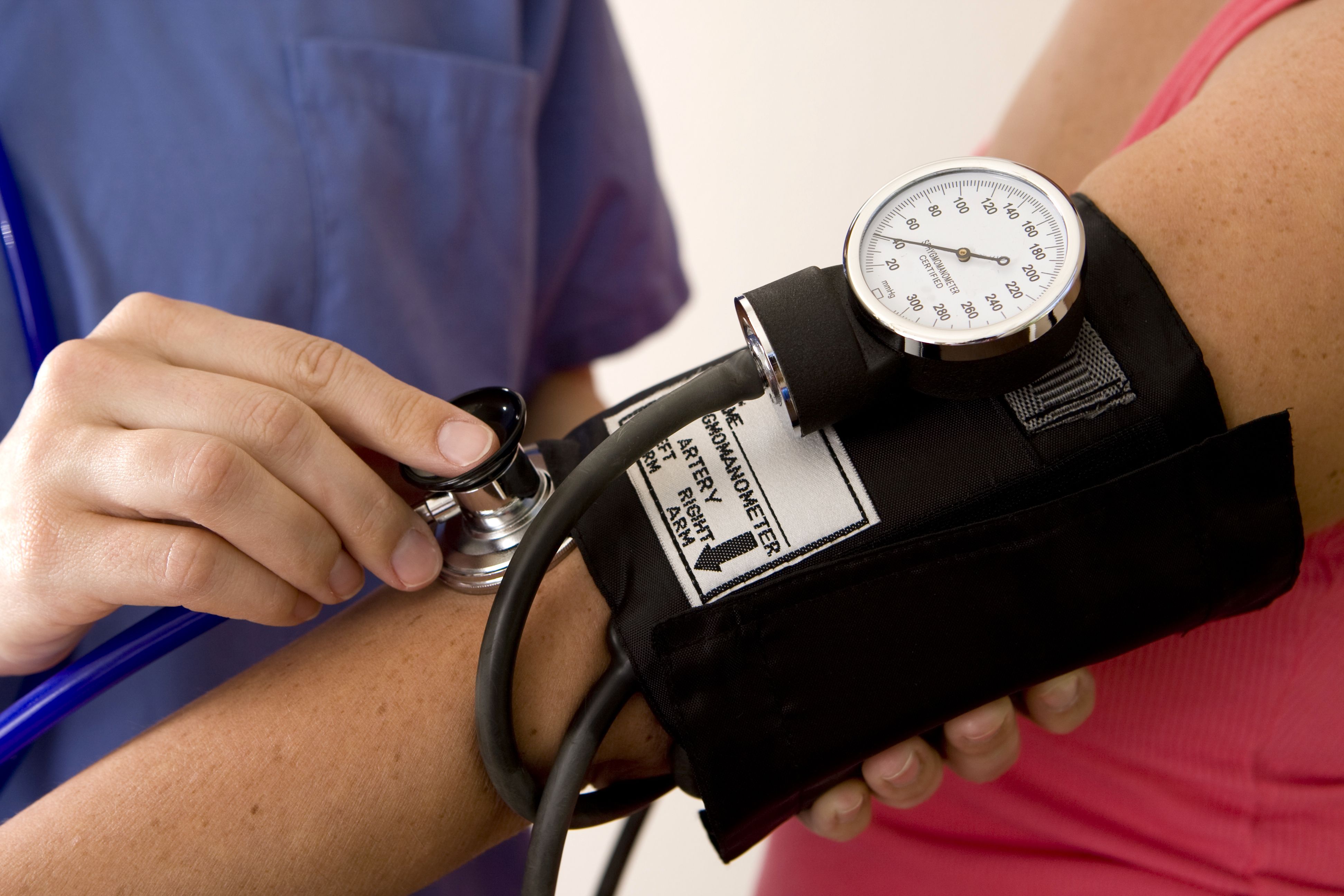
























































New research suggests a diagnosis of prediabetes signaled increased risk of all-cause death or cardiovascular death in the next decade.
New research suggests a diagnosis of prediabetes signaled increased risk of all-cause death or cardiovascular death in the next decade.

New research suggests the detrimental impact of extreme sleep durations may be greater in diabetics than nondiabetics.

The first prospective safety trial using oral factor Xa inhibitor in patients undergoing laparotomy shows women preferred and adhered to the drug.

New research provides an overview of the impact diabetes and cardiovascular risk factors can have on cognition in middle-aged patients.

Rates of recurrent stroke have been on the decline in recent years—reaching a rate similar to that of non-Hispanic whites by 2013.
Results of a meta-analysis are detailing the current risk prediabetes poses on the cardiovascular health and overall well-being of patients.

New research shows the anticoagulant binds tightly with the coronavirus’ surface spike protein.

The practice of genetic testing has been useful in clinically addressing found cases of familial hypercholesterolemia, among other conditions, but no clinical practice guidelines currently exist for testing patients with suspected hereditary dyslipidemia.

An analysis of major trials examining TAVR suggests BNP levels could help predict patients at a greater risk of negative outcomes.

What does personalized outpatient care look like for a cardiology institute during the pandemic?
A cardiac surgeon from Brigham and Women's Hospital discusses a recent study he led assessing gender disparities in outcomes following re-operation in patients who have undergone mitral valve repair.

New research suggests emotional, physical, or sexual maltreatment during childhood increases risk of multiple forms of cardiovascular disease.

Sixteen organizations are seeking to drive the practice forward after the 2008 Call to Action from the Surgeon General fell short in addressing the public health need regarding VTE.

A new Cleveland Clinic study is shedding light on an apparent increase in rates of stress cardiomyopathy during the ongoing pandemic.

New research is seeking to update previous analyses examining the cardiovascular and renal benefits of GLP-1 receptor agonists and SGLT2 inhibitors in patients with type 2 diabetes.

New research from the Cleveland Clinic has uncovered a troubling trend related to stress from COVID-19 and cardiovascular health.

An analysis of data from a pair of major hospitals in Massachusetts is detailing the impact smoking cessation can have on survival in young patients with myocardial infarction.

New research is detailing the impact of statin use for primary prevention in elderly patients free from atherosclerotic cardiovascular disease.

A pooled analysis of 6 studies indicates both timing and increased severity of vasomotor menopausal symptoms could signal increased risk of cardiovascular disease events.

An analysis of 10 randomized clinical trials is shedding new light on the risk of MACE seen by Black patients following PCI versus risk among white counterparts.

The technologies help patients with heart rhythm disorders monitor their healthcare and stay connected with their physicians.

An analysis of more than 180k patients in Hong Kong indicated use of the antihypertensive medications was associated with 22% lower risk of developing colorectal cancer.

A new pilot study called CRAFT is examining the potential of portable air cleaners for limiting exposure to fine particulate matter in patients enrolled in cardiac rehabilitation.

New analysis of the Jackson Heart Study found experiencing a greater amount of discrimination could increase risk of hypertension in African Americans.
A systematic review and network meta-analysis is comparing 9 classes of therapies for HbA1c and risk management in patients with low versus increased cardiovascular risk.