




























































The LIVMOR Halo AF Detection System has received 510(k) clearance from the US FDA and becomes the first prescriptible wearable for continuous heart monitoring in patients with atrial fibrillation.
The LIVMOR Halo AF Detection System has received 510(k) clearance from the US FDA and becomes the first prescriptible wearable for continuous heart monitoring in patients with atrial fibrillation.

The LIVMOR Halo AF Detection System has received 510(k) clearance from the US FDA and becomes the first prescriptible wearable for continuous heart monitoring in patients with atrial fibrillation.

An analysis suggests 1-in-5 high-risk patients will experience at least one cardiovascular complication within the first year following non-cardiac surgery.

Only 29.5% of sampled CBD users claimed any wellness benefit.

A trial presented at TCT 2020 suggests crushed prasugrel provided no reperfusion benefit when compared against integral tablet in STEMI patients.

An analysis of the Partners YOUNG-MI registry details the increased risk of mortality for facing women after myocardial infarction versus men.

In a recent column, Paul Thompson, MD, offers perspective on deaths due to anomalous coronary artery origin in young athletes with normal stress tests.

A meta-analysis published in JAMA Cardiology details reductions in cardiovascular and kidney outcomes associated with SGLT2 inhibitor use in diabetes patients.

This episode of the Endocrine Outlook podcast features a discussion around the cardiorenal benefits of SGLT2 inhibitors and GLP-1 receptor agonists.

The investigators also found the effects of dapagliflozin were similar in patients with type 2 diabetes and those without type 2 diabetes.

Results of a recent analysis that found ablation was associated with lower risk of dementia compared to medical therapy alone suggest rhythm control could help preserve overall health.
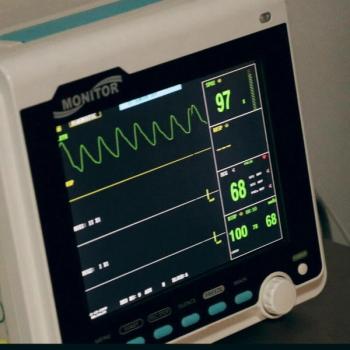
Cytokinetics announces presentations on two trials assessing omecamtiv mecarbil in patients with heart failure and reduced ejection fraction.

The Thermocool Smarttouch SF Catheter received approval for use with the CARTO® 3 System, according to a statement from the Johnson & Johnson Medical Companies.
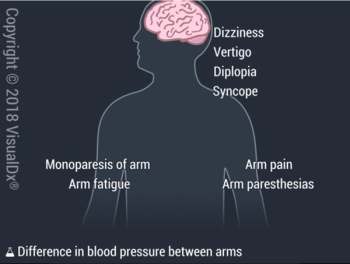
How good are your diagnostic skills? Test them with this month's Visual Dx quiz!

These findings underline the importance of aggressive management to treat IBD and ACS comorbidities to improve outcomes.

Muthiah Vaduganathan, MD, MPH, of Brigham and Women's discusses the barriers to preventing optimal prescribing practices for SGLT2 inhibitor and GLP-1 receptor agonist therapies.
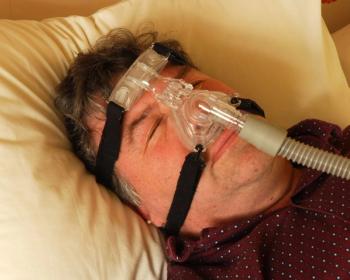
A trial of patients with prediabetes and OSA details the cardiovascular benefit of optimized CPAP treatment.

Women with breast cancer who have the most arterial calcium accumulation are nearly 4 times more likely to develop cardiovascular disease.

An RCT of patients with prediabetes and OSA details the cardiovascular benefit of optimized CPAP treatment in this patient population.

The risk of VTE is increased in both hospitalized and non-hospitalized COVID-19 patients.

An analysis of data from a major women’s health study is detailing associations between adverse pregnancy outcomes and risk of atherosclerotic cardiovascular disease in postmenopausal women.

A NAMS 2020 study suggests number of menopause symptoms could help predict increased risk of cardiovascular disease in older women.
This edition from the 10 Year Plan features perspective from leadership at ACC and ESC, as well as survey results from cardiologists.
An analysis of nearly 300k offspring suggests those exposed to diabetes in the womb were at an increased risk of cardiovascular disease events and risk factors in young adulthood.

A prespecified analysis of a clinical trial in high-risk aortic stenosis patients found no differences in health status at 5 years among patients undergoing SAVR vs TAVR.