



Cardiology
Latest News

Advertisement
Latest Videos








CME Content






















































Advertisement
More News

New research from Kaiser Permanente Northern California suggests gestational diabetes was linked to a 2-fold increase in risk of coronary artery calcification, regardless of glycemic control after giving birth.

More than 20% of TIA patients suffered a stroke within 7 days following the baseline attack.
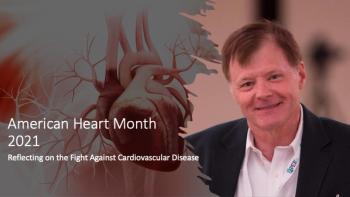
Dr. Simon Murray reflects on the ongoing fight against cardiovascular disease in the US as part of our coverage of American Heart Month.


In his most recent column, Dr. Gregory Weiss provides an overview of what clinicians have learned related to the effects of COVID-19 on the heart.

Low-density lipoprotein cholesterol level was lower by approximately 19 mg per deciliter and systolic blood pressure was lower by approximately 5.8 mm Hg with the polypill and with combination therapy than with placebo.

Results of the How Alcohol Induces Atrial Tachyarrhythmias (HOLIDAY) trial offer insight into the effects of alcohol on cardiac electrophysiology from a randomized, double-blind, placebo-controlled trial.

High adolescent non–HDL-C levels were strongly associated with the presence of coronary artery calcification in mid-adulthood.

An analysis of more than 14k patients from the Framingham Heart Study provides clinicians with an overview of trends in stroke risk among patients with and without a history of TIA dating back to the 1950s.

New research suggests increased BMI was associated with increased prevalence of cardiovascular disease risk factors regardless of a patient's physical activity levels.

Check out our latest emergency department case report from Dr. Brady Pregerson. Can you determine the correct diagnosis?






A study from the University of South Carolina is detailing the positive effects of an exercise-based cardiac rehabilitation program on function, cardiac endurance, and quality of life in patients with a stroke.

An analysis of 27 years of data sheds further light on the incidence of atrial fibrillation-related deaths based on socioeconomic status and sex differences in a group of 20 European nations.

A study from the ACC's Advancing the Cardiovascular Care of the Oncology Patient meeting suggests male breast cancer patients had an increased presence of cardiovascular risk factors, including development of new tachyarrhythmia.
The University of Chicago hypertension expert discusses new ADA recommendations for cardiovascular risk management.

Research from investigators in Spain suggests increased BMI was associated with the prevalence of cardiovascular disease risk factors regardless of a patient's physical activity levels.

Dr. Gregory Weiss reflects on his experience receiving the Pfizer COVID-19 vaccine and his thoughts on the ongoing rollout process.
Advertisement
Advertisement
Trending on HCPLive
1
eGFR Underestimates CKD in Patients with Cancer, Study Finds
2
The HCPFive: Top News for Healthcare Providers from the Week of 10/18
3
42% on Povetacicept Reach KDIGO-Aligned UPCR Target in RAINIER
4
Kidney Compass: Final 2-Year TELIGAN Data for Telitacicept in IgA Nephropathy
5