






Cardiology
Latest News
Advertisement
Latest Videos







CME Content






















































Advertisement
More News

Insights from the DISCOVER registry were presented at the American Diabetes Association's 81st Scientific Sessions. Check out our Q&A with study presenter Suzanne Arnold, MD, of St. Luke's Mid America Heart Institute.

Marc Bonaca, MD, discusses a new analysis of the VOYAGER PAD trial and implications for patients with diabetes and CLI.

Dennis Bruemmer, MD discusses new agents and perspectives on care in treating patients with type 2 diabetes at high risk of CV, renal complications.

Mortality rates differed significantly across the 3 clusters.

A dive into data from the RAND Health and Retirement Study suggests changes in wealth mobility, whether positive or negative, were associated with changes in cardiovascular disease risk.

While still waiting for regulatory approval, the SCORED and SOLOIST trial have demonstrated the impact of sotagliflozin, a dual SGLT1/2 inhibitor, on patients with type 2 diabetes and chronic kidney disease or heart failure.

Data from the AMPLITUDE-O trial demonstrates the effects of the exendin-4-based GLP-1 RA efpeglenatide on cardiovascular and renal outcomes among patients with type 2 diabetes and cardiovascular disease or kidney disease.

Deepak Bhatt, MD, MPH, discusses the results of REDUCE-IT BMI, which examined effects of icosapent ethyl vs placebo based on baseline BMI, that he presented at ADA 2021.

Marc P. Bonaca, MD, MPH, of the University of Colorado School of Medicine, comments on the potential to personalize treatment with emerging therapies in the pipeline to better manage patients at high risk for cardiovascular disease in the future.

Unmet needs in the management of coronary artery disease and peripheral artery disease, and advice for working with patients and other healthcare professionals to optimize care for patients at high risk for cardiovascular disease.

Matthew Budoff, MD highlights his own preferred methods of treatment and what might need to be done to help doctors and patients through the process.

Data show a 38% reduction in T2D incidence with dapagliflozin compared to placebo in patients with CKD.

Data show 66% of healthcare professionals reported greater confidence in prescribing SGLT2i, while 55% reported greater confidence in prescribing GLP-1.

An analysis of FIDELIO-DKD demonstrates the benefits of finerenone use was consistent regardless of baseline insulin use among patients with type 2 diabetes and CKD included in the phase 3 trial.

Fluid regulation is important to the prevention of heart failure.

A FIDELIO-DKD analysis presented at ADA 2021 suggests the renal and cardiovascular benefits of finerenone were consistent, irrespective of background GLP-1 RA use and indicate the presence of both was associated with even greater reductions in albuminuria.

Children treated with SSRIs and SGAs concurrently demonstrate higher waist circumference, BMI, and plasma total cholesterol compared to those on monotherapy.

As new data continues to emerge, major organizations look to provide guidance related to the risk of myocarditis-like illness associated with mRNA vaccine use in younger patients.

New findings show patients were able to more than halve type 2 diabetes medication while improving diabetic and cardiovascular parameters in 8 weeks.

Data show no evidence of increased risk of adverse events in patients aged ≥80 years, compared to patients aged 70 - 79 years.
The study author joins to highlight new ADA 2021 findings showing rivaroxaban's benefit for a subpopulation of diabetic patients.

A prespecified analysis of DAPA-CKD presented at ADA 2021 suggests use of dapagliflozin reduced the incidence of type 2 diabetes by nearly 40% among patients with chronic kidney disease but without diabetes within the phase 3 trial.

Data from an analysis of FIDELIO-DKD suggests the renoprotective benefits of finerenone were consistent irrespective of SGLT2 inhibitor use and those using an SGLT2 inhibitor with finerenone resulted in greater UACR reductions.

New data show liraglutide reduced visceral, ectopic fat, with greater effects seen compared to weight loss.
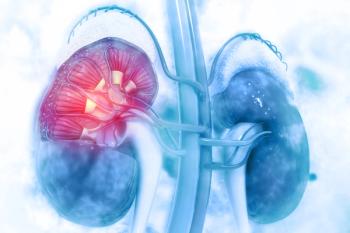
A review of available data suggests patients with nephrotic syndrome were at a 19-fold greater risk of end-stage kidney disease and a 3-fold greater risk of acute coronary syndrome events.
Advertisement
Advertisement
Trending on HCPLive
1
eGFR Underestimates CKD in Patients with Cancer, Study Finds
2
The HCPFive: Top News for Healthcare Providers from the Week of 10/18
3
42% on Povetacicept Reach KDIGO-Aligned UPCR Target in RAINIER
4
Tegoprubart Improves Quality of Life vs Tacrolimus After Kidney Transplant
5