




























































Dawn Rotellini, chief operating officer of the National Hemophilia Foundation, discusses the impact recent advances in technology and changes in policy focusing on rare diseases have impacted the disease state of hemophilia.
Dawn Rotellini, chief operating officer of the National Hemophilia Foundation, discusses the impact recent advances in technology and changes in policy focusing on rare diseases have impacted the disease state of hemophilia.

A Cleveland Clinic study showed about 13% of its transfusions were in deference to current guidelines. That said, there's plenty of gray area for cause of care.

How the aclidinium bromide trial brings novel perspective to COPD care.
Are diagnostics and drugs optimized for pulmonary hypertension?

AstraZeneca announced approval of the SGLT2 inhibitor for the reduction of hospitalization for heart failure in type 2 diabetes patients in a release on Monday.

With ARBs linked to a higher risk of suicide, investigators suggest treating diseases like hypertension, chronic kidney disease, heart failure, and diabetes with ACEIs instead.

Researchers writing in the New England Journal of Medicine report that a combination treatment of ticagrelor and aspirin leads to improved cardiovascular disease outcomes in patients with stable coronary artery disease and diabetes mellitus.

Far and away, cardiovascular disease is the greatest killer of people in the US. At the crux of it is heart failure, an often misunderstood condition in need of improved options.

A 72-year-old man with a history of advanced dementia is brought from home by paramedics for approximately one week of cough followed by two days of worsening shortness of breath and now a syncopal episode. An albuterol treatment was given en route for wheezing. Learn more in this case report.
The new indication marks the sixth for treatment in venous thromboembolism with the direct oral anti-coagulant.
The geko device is designed to increase blood circulation and edema reduction to prevent venous thrombosis in non-surgical patients.

A new study from investigators in Australia has found nearly 1 in 5 patients in a cardiac rehabilitation program suffer from at least moderate depression, anxiety, or stress.

A recent study has found the long-term risk of developing thromboembolism with postoperative atrial fibrillation was similar to that of nonsurgical, nonvalvular atrial fibrillation.
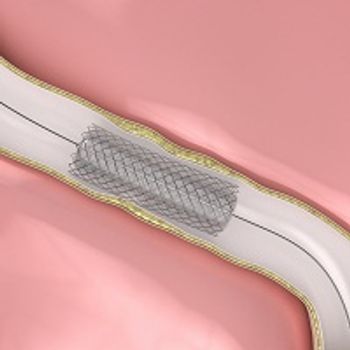
A new study from the European Heart Journal is contradicting a January 2019 FDA warning that paclitaxel-coated devices were linked to an increased risk of death.

A new study which reviewed data on more than 3 million patients found dog ownership was associated with a 24% reduced risk of all-cause mortality and a 65% reduced risk of mortality after a heart attack.

A new study of children in West Virginia found associations birth weight and blood pressure as well as cholesterol and triglycerides at age 11.

African Americans are more greatly burdened by the cardiovascular condition and its common comorbidities. Are new therapies able to help?

A recent study from the ACC Middle East Conference 2019 found patients with hypertension and type 2 diabetes who consume a high fiber diet had improvement in their blood pressure, cholesterol and fasting glucose.

A new study from the Ohio State University found the commonly-prescribed blood cancer drug ibrutinib was linked to new or worsening hypertension, which investigators suggest could contribute to an increase in other cardiovascular events.
The Biovitals Analytics Engine is able to read physiology signals to allow doctors to change the trajectory of disease weeks in advance.

A study from investigators in Europe found the CCS, ACC/AHA, and NICE guidelines for statin use may be more effective at preventing ASCVD events than ESC/EAS or USPSTF guidelines.
Its approval was based on findings from the limited assessment of pediatric patients in PANORAMA-HF, showing reduction of a cardiovascular biomarker.