



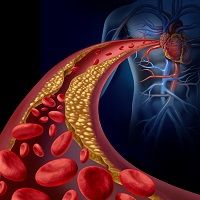























































How preventive care strategy adherence could bolster heart disease risk reduction in entire families.

How preventive care strategy adherence could bolster heart disease risk reduction in entire families.

During AHA, investigators suggest ways to improve care for women in regard to diabetic and cardiovascular interventions.

The impact of electronic cigarettes on cardiovascular disease risk factors is similar to effects seen in people who smoke traditional combustible cigarettes with harmful effects on cholesterol, triglycerides and blood glucose, as well as on blood flow to the heart, researchers reported at AHA's Scientific Sessions this month.

Patients who suffer from depression are at increased risk for cardiovascular disease, but what about the risk of non-fatal cardiovascular disease events?

Patients with obesity who undergo bariatric surgery are less likely to experience cerebrovascular events, shows a study presented at AHA's Scientific Sessions earlier this month.
A new study of more than 5000 patients in a rural community in India suggests the Apple Watch and its A-fib software could serve as a valuable screening tool in underserved communities and developing countries.

Approximately one in three patients with atherosclerotic cardiovascular disease skip the flu shot each year despite its effectiveness in lowering the risk of illness and death, shows research presented at AHA's Scientific Sessions.

A fourth-year cardiology medical student shares his perspectives from the audience at the American Heart Association Scientific Sessions.
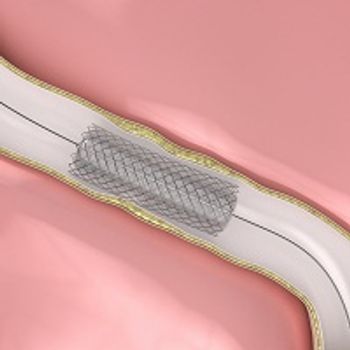
Seth Bilazarian, MD, medical director of Abiomed, responds to an analysis presented at AHA 2019 suggesting Impella devices were associated with a greater risk of death and stroke.

The understood risk of cancer development in patients with cardiovascular disease requires improved care teams.

A look into the findings of ticagrelor in high risk patients, with or without aspirin.
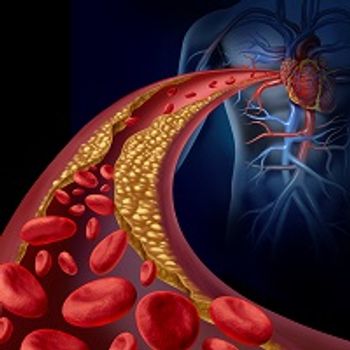
Results of the "Treat Stroke to Target" trial found an LDL-C target of 70 mg/dL led to a significant reduction in secondary stroke events.

In a presentation during AHA, present recommendations for improving cardiovascular outcomes and healthy aging.

Promising drug inclisiran shows significant LDL cholesterol reduction in patients with familial hypercholesterolemia.

Results of ORION-9 reveal inclisiran has the potential to treat familial hypercholesterolemia with twice-a-year injections.
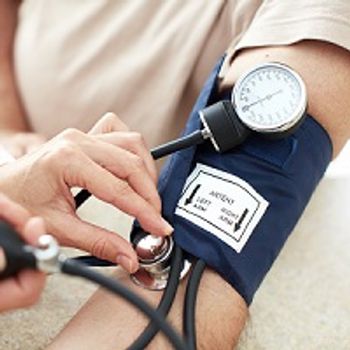
Patients in the propranolol arm recorded a significantly reduced mean office SBP of 130.00 (+/- 13.24) mmHg vs 139.93 (+/- 14.17) mmHg (p = 0.046).

An analysis of more than 40,000 patients who underwent percutaneous coronary intervention revealed Impella pumps were associated with an increased risk of death, stroke, and kidney injury compared to intra-aortic balloon pumps.

The addition of IPE significantly slowed coronary plaque progression as compared to placebo over 9 months for 4 of the 5 secondary end points.

How cardiologists have forged the often different goals of improving patients' life expectancies, with improving their quality of life.

A new study from UT Southwestern shows a new indicator of patient fringe risk for high blood pressure.

Investigators look at whether there are cardiovascular risks involved in electronic cigarettes.
A fourth-year cardiology medical student shares his perspectives from the audience at the American Heart Association Scientific Sessions.

During AHA, investigators analyzed some of the differences in outcomes for men and women in hypertension drug trials.

Udenafil positively impacted measures of exercise performance in patients after Fontan, but did not improve peak VO2.

A new study from AHA 2019 has found patients receiving periprocedural colchicine did not decrease their risk of developing PCI-related injuries compared to patients receiving placebo.