



























































Over time, clinicians have come to understand the most optimal use of the limited technological resources they have.
Over time, clinicians have come to understand the most optimal use of the limited technological resources they have.

Vitamin D supplementation may not protect the heart from major adverse cardiovascular events, myocardial infarction, stroke or cardiovascular disease mortality, finds a study published in JAMA Cardiology.

A study presented at EAN 2019 found that statin use was associated with a 22% reduction in all-cause death among patients with dementia.
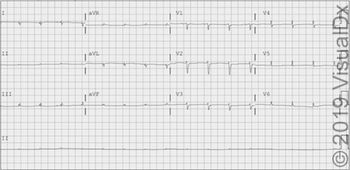
A 68-year-old man was rushed to the ED with shortness of breath and hypotension after passing out at home. EMTs reported tachycardia and decreased heart sounds, and noted the patient’s neck vein was distended. What's your diagnosis?

A recent study from Penn Medicine found that just 5% of patients with a mutation of the TTN gene have dilated cardiomyopathy.
How the institution has become involved in regional health education efforts, and national efforts to establish proper care protocol.

A recent study of 775 found that low vitamin D levels at birth were associated with an increased risk of elevated systolic blood pressure in childhood and adolescence.
Why limited educational resources and a diverse population has made the region an area burdened by heart disease.

Recent study finds that positron emission tomography myocardial perfusion imaging can help identify diabetic patients at increased risk of heart attack.
Last year, the FDA approved the drug as a novel therapy for the treatment of thrombocytopenia in patients with chronic liver disease who are scheduled for medical or dental procedure.

A recent analysis of 46 trials found that the total cholesterol and LDL-C lowering effects of soy are consistent over time and back the FDA's 1999 health claim.

A recent study found that every year of education was equivalent to a 2.5% reduction in risk of heart disease.

A recent study found that an additional 2 hours per day of TV viewing time is linked to a 50% increase in a person's risk of cardiovascular events and death.

A recent study found that telerehabilitation was comparable to traditional in-clinic rehabilitation for stroke patients.

Recent analysis of 3 trials found that CERT2 showed comparable and synergistic predictive performance when compared with previously published CVD risk models.
Analysis of the SURTAVI clinical trial revealed that TAVR and SAVR are both safe for patients with a CABG history.
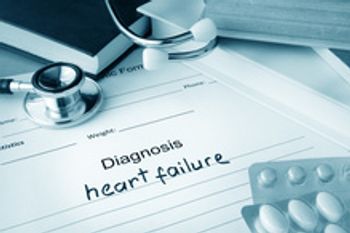
Survey of 3000 found that more than half of all respondents wish they knew more about heart failure but just 1 in 5 were likely to speak with their doctor out of fear of diagnosis or cost.

A recent study from investigators at Michigan State University found that vitamin D supplementation was not associated with reduced risk of major cardiovascular events.

Christopher Sorli, MD, vice president of medical affairs at Sanofi, discusses the results of a recent trial examining insulin glargine plus lixisenatide.

After Janssen's submission of an sNDA in March, results of the CREDENCE subgroup analyses were among the most anticipated presentations at ADA 2019.

A study presented at ADA 2019 examined the efficacy of sitagliptin compared with dapagliflozin in t2d patients 65 years old and older.
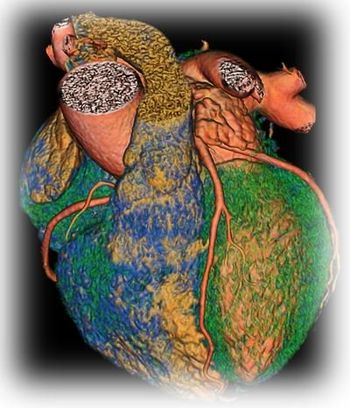
Oral anticoagulant choice in the obese; how to reduce inflammation in atherosclerosis; and optimal DAPT duration post-PCI. Top-line reviews of 3 new studies highlight potential for practice change.
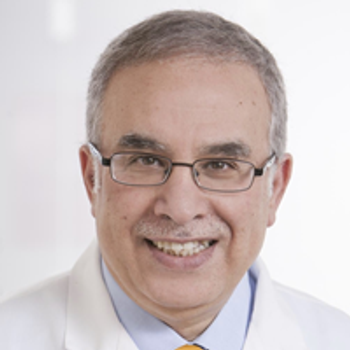
Osama Hamdy, MD, PhD, discusses the impact of a 10-year study observing the impact of lifestyle interventions among diabetes patients in real-world clinical practice.
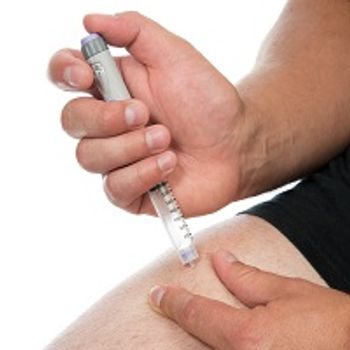
A new study shows patients with T1D and comorbid cardiovascular disease face a signficantly greater cost of care.

An analysis of 7 trials examining cardiovascular outcomes of study drugs found that concomitant insulin use increased a patient’s risk of severe cardiovascular outcomes.