























































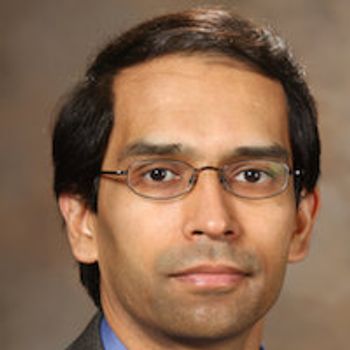
Deepak Bhatt, MD, discusses the results of the COMPASS trial and how they have impacted clinical practice.
Deepak Bhatt, MD, discusses the results of the COMPASS trial and how they have impacted clinical practice.
A new international cohort shows hospitals with a greater annual volume of PE patients often report better patient outcomes.

Investigators examining more than 1000 university students found that those using a smartphone more than 5 hours per day had a 43% increased risk of obesity.

Investigators from Brigham and Women's Hospital found no difference in mortality rate among procedures, even those that coincide with the start of resident training.
With approval, Baqsimi, which was approved for adults and children as young as 4, becomes the first approved treatment of hypoglycemia that can be administered without an injection.

In a recent study, investigators from Johns Hopkins found that risks of peripheral artery disease remains elevated for 30 years after smoking cessation.

Results of the SHINE trial show no significant difference between standard and intensive treatment of hyperglycemia on functional outcomes following acute ischemic stroke.

A recent study has found that the cost and accessibility of PCSK9 inhibitors has created problems for patients seeking an effective treatment for their hypercholesterolemia.

Investigators from the University of Duke School of Medicine compared results of the PROSPER Study and found results supporting the use of DOACs over warfarin in older patients following ischemic stroke.
From vaping to air pollution, Deepak Bhatt, MD, shares his thoughts on the greatest threats to cardiovascular health.
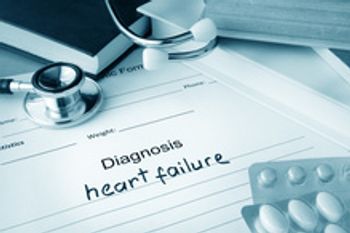
A recent study of more than 12 million people from 10 countries found that the risk of heart failure associated with diabetes was greater in women than in men. 


Deepak Bhatt, MD, executive director of Interventional Cardiovascular Programs at Brigham and Women's Hospital and professor of medicine at Harvard Medical School, discusses potential forthcoming advances in cardiology that excite him most.

A new study links high levels of high‐sensitivity cardiac troponin T and N‐terminal pro‐B‐type natriuretic peptide to an increase in fall risk for geriatric adults.
A new study has found that both systolic and diastolic blood pressure independently influenced the risk of adverse cardiovascular events.

A recent analysis of the IMPROVE-IT results found that simvastatin-ezetimibe was associated with greater reductions in LDL-C and lower rates of MI, stroke and CVD than simvastatin monotherapy.

One of the great things about medicine is that you interact with all kinds of people every day. Male, female, young, old, people of different ethnic backgrounds and economic status. These interactions can be moving, challenging or funny, but some can be frustrating. Here are examples of some of my patient encounters which serve as reminders of how essential patient education is in clinical practice.

Study from investigators in London found that high iron levels were associated with a lower risk of high cholesterol levels and reductions in atherosclerosis, but these same high levels were also associated with increased risk of stroke.
Professor of medicine at Harvard Medical School discusses how much progress has been made in the fight against cardiovascular disease.
A study of more than 355,000 veterans found that heart failure, with and without symptoms, was associated with increased postoperative mortality rates.

A recent phase 2 trial found that caloric intake can improve biomarkers for heart disease, cancer, and cognitive decline — even among patients with a healthy BMI.
Released the day following President Trump's address, results of a study from investigators at UCSF highlight issues in care of patients with chronic kidney disease.

More than 40% of patients with coronary artery disease-associated sudden cardiac death had scarring associated with silent myocardial infarction at autopsy.
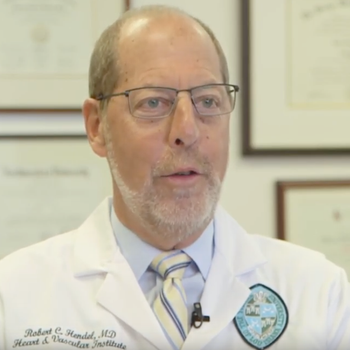
Why a revised recertification strategy would be beneficial for practicing internists and cardiologists.

A recent study found that elevated systolic blood pressure could potentially be associated with a 3-fold increased risk of valvular heart disease.
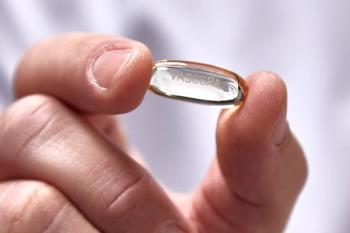
The omega-3 fatty acid icosapent ethyl lowered the risk of cardiovascular death, nonfatal myocardial infarction, nonfatal stroke, coronary revascularization or unstable angina by as much as 25 percent in a group of patients enrolled in a five-year clinical trial, according to researchers reporting in the Jan. 9 issue of the New England Journal of Medicine.