


























































Individualized holistic, evidence-based medicine will be accessible to more patients in New York beginning in June 2018, when the 2-year-old Integrative Health and Wellbeing program expands from its original site.
Individualized holistic, evidence-based medicine will be accessible to more patients in New York beginning in June 2018, when the 2-year-old Integrative Health and Wellbeing program expands from its original site.
The cap is the first and only device that kills infection-causing bacteria inside a long-term catheter, preventing contamination.
Eltrombopag (Promacta) was granted Priority Review designation, indicating a 6-month timeline for review.

A growing class of medications, SGLT-2 inhibitors have helped physicians manage otherwise uncontrolled cases of type 2 diabetes.
This week on MDNN: Cinnamon flavoring in e-cigarettes has been found to disrupt the lungs’ anti-bacterial defense system, new hypertension guidelines have increased the condition's prevalence, and the US Congress passed a right-to-try bill.
This morning, Pfizer announced that its investigational therapy for the treatment of patients with transthyretin (TTR) cardiomyopathy, tafamidis, received Breakthrough Therapy designation from the US FDA.
Since its original approval in 2008, more than 8 million patients worldwide have received a XIENCE stent, according to Abbott.

The CANTOS findings have strengthened the relationship between cardiovascular disease and inflammation. Here’s how they are changing the way clinicians understand heart conditions.

Treated with Medtronic’s Symplicity Spyral renal denervation system, those patients experienced no major adverse safety events at 6 months.
Study results show that OHTN may be an early biomarker of hypertension and may herald risk of developing AMD, and perhaps, other conditions caused by vascular disease.

The study estimated that full achievement of the 2017 hypertension guidelines would prevent 610,000 major cardiovascular events and 334,000 deaths in the US annually.
Avinger stated that it plans to incorporate this next generation version of the device into its ongoing clinical trial program, INSIGHT, an FDA Investigation Device Exemption study.
FlowTriever is the first thrombectomy device cleared for the treatment of pulmonary embolism.
The agency’s decision was made based on data from 2 phase 3 clinical trials—ADAPT-1 and ADAPT-2—which tested the safety and efficacy of avatrombopag in 435 patients.

Older people adhering to the antioxidant-rich diet were less likely die from cardiovascular conditions when exposed to greater ambient air pollution.
Cerenovus’ mechanical thrombectomy device is indicated for the removal of blood clots in the 8 hours following ischemic stroke.
The therapy showed reduction in nighttime resting heart rate comparable to that of beta blockers.
Lokelma is approved for the treatment of hyperkalemia, which is characterized by elevated potassium levels often associated with cardiovascular, renal, and metabolic diseases.
The FDA had issued a Class I recall of the MindFrame Capture LP device.
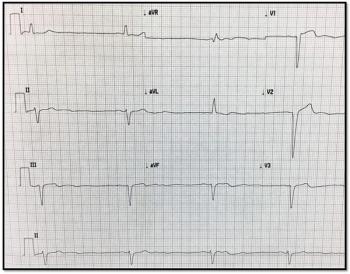
An 87-year-old man with a history of mild dementia on Aricept and hypertension on benazepril is brought to the emergency department by family after a possible fall.

A recent trial found that empagliflozin can reduce the risk of cardiovascular deaths in type 2 diabetes patients; are results similar in men and women?
The 625 mg tablet Welchol was first approved for cholesterol and/or glycemic management by the FDA in 2000.

Ambient air pollution has become one of the world's greatest killers. But physicians still differ on their involvement in fighting it.

New data shows that an increase in the burden of AF is independently associated with a higher risk of ischemic stroke and arterial thromboembolism in patients who have not received anticoagulant medication.
The investigational new drug application allows the initiation of phase 1/2 clinical trial to assess the safety of BIVV003 in adults.