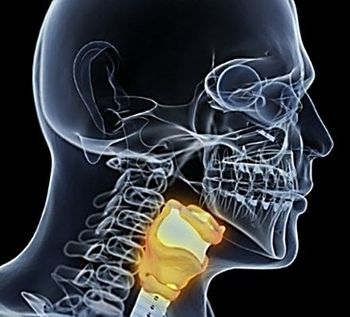
A new study found that elevated free thyroxine within the upper range of normal may increase risk of AF; is may be time to redefine what is "safe" when treating hypothyroidism.
A new study found that elevated free thyroxine within the upper range of normal may increase risk of AF; is may be time to redefine what is "safe" when treating hypothyroidism.
Highlights include an online diabetes prevention program; sweetened drinks pose greater diabetes risk; and the link between night shifts and T2DM.

Highlights include: "Artificial pancreas" improves glucose control; T1DM often misdiagnosed as T2DM; and a genetic connection for “type 1.5 diabetes.”
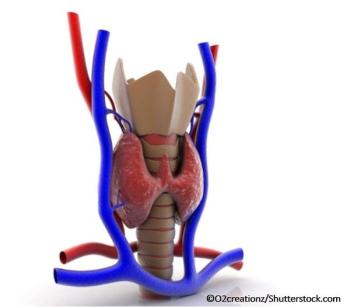
A new study suggests it may be time to scrutinize the efficacy of the longstanding standard of care for hypothyroidism.

Three new studies in diabetes research highlight the importance of whole grains and gluten in T2DM and T1DM risk.
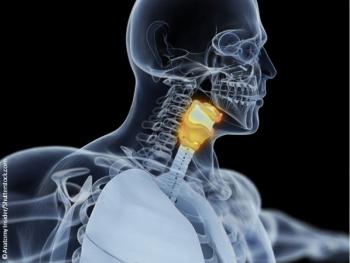
Male thyroid cancer survivors are at a 50% increased risk for developing heart disease vs women, according to one of the first studies of its kind.

Highlights include obstructive sleep apnea as a factor for T2DM; a test that distinguishes between T1DM and T2DM; and missed opportunities in diabetes prevention.

Patients with T2DM who fasted 2 days a week had weight loss and metabolic outcomes similar to patients who followed a daily kcal-restricted diet.

Highlights include how cost-effective insulin reduces hospital visits; prevalence of restrictive lung disease in T2DM patients; and the wonders of self-monitoring for cost of care.

Three new studies in diabetes include vitamin D deficiency; eliminating racial disparities in diabetes care; and the link between emotions and insulin resistance.

How can less exercise yield better blood sugar and decrease risk of heart disease in diabetes patients? A new study has answers.
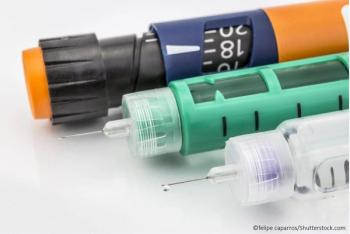
Follow-on biologics could reduce insulin therapy costs for diabetes patients, but how? This new study reveals.
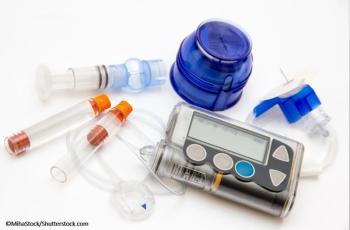
New research also found that continuous glucose monitoring by type 1 diabetes patients improved overall glucose control and enhanced quality of life.

New diabetes studies find SGLT2i may reduce all-cause mortality; that telemedicine can improve T2DM care; and that broader screening criteria are better.


A patch that can detect early symptoms of hypoglycemia is one of three studies discussed in this month's endocrinology news roundup.
Three new diabetes studies highlight one risk, one potential prevention, and one possible new treatment.

Juice is good food and does not contribute to disruption of glucose-insulin homeostasis, as long as its 100% real fruit juice, according to a new study.

One theory is that metformin taken during insulin treatment impacts energy intake and so supports weight loss. A quick look at a new study suggests something else.

The health effects of sedentary behavior, such as screen time, include adiposity & T2DM risk in adults. How does screen time affect children?

New studies review updated guidelines for metformin use, an examination of all-cause mortality in T2DM, and continuous glucose monitoring for T1DM.

Researchers examined the impact of early intervention with short-term intensive insulin therapy on patients with type 2 diabetes.

Using findings from 100 RCTs, researchers summarize the effects of different dietary fats and carbohydrate on insulin resistance and type 2 diabetes.

Highlights of four recent studies in hypertension, heart failure, preeclampsia expose vulnerable populations.

Are diabetic patients at an increased risk of infection with community-acquired Staphylococcus aureus? If so, can risks be mitigated?

How much of an effect does sedentary behavior have on glucose metabolism status and metabolic syndrome?

The verdict is in regarding SGLT2 inhibitor use and diabetic ketoacidosis. Expert panel conclusions are summarized.

Catch up on some of the latest headlines in diabetes care, including updates in pediatric management and an artificial pancreas.
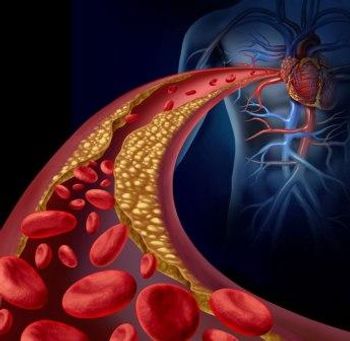
Low total serum testosterone was independently associated with greater carotid intima media thickening and endothelial dysfunction but not with atherosclerotic plaques.

July 21st 2015

December 4th 2015

March 10th 2016

March 21st 2016

September 6th 2016
