























































A meta-analysis of many older studies may explain the recent observation that patients with atrial fibrillation (AF) frequently suffered cognitive impairment without suffering from any signs of stroke.

The most common cause of sudden cardiac death in young people is hypertrophic cardiomyopathy, an inherited condition that can lead to heart failure, angina, arrhythmia and sudden cardiac death. There is no medical treatment shown to halt or reverse the progression of the disease-just palliative care or surgery.
A meta-analysis of many older studies may explain the recent observation that patients with atrial fibrillation (AF) frequently suffered cognitive impairment without suffering from any signs of stroke.

Alternate day fasting can be an effective weight loss strategy, but optimal meal timing on fast days has not been thoroughly examined.
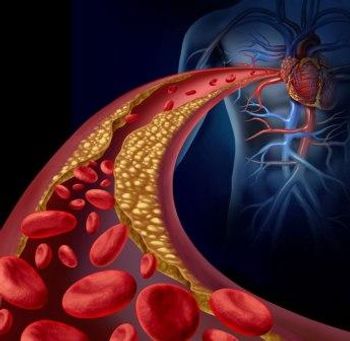
Low total serum testosterone was independently associated with greater carotid intima media thickening and endothelial dysfunction but not with atherosclerotic plaques.
In older adults, mild control of systolic pressure is good enough, an Oregon research team has found. Writing in Drugs & Aging, Leah Goeres and colleagues at the College of Pharmacy at Oregon State University and Oregon Health & Science University said that for adults age 60 and over, said a reading of 150 for systolic blood pressure (SPB) is adequate-upsetting the conventional wisdom that these patients should get enough medications or other treatments to bring SPB down to 140.

A middle-aged man presents with exertional hemoptysis to your clinic. There is no associated chest discomfort with activity. At rest, he has no complaints. His exam is significant for a normal HR and BP and a normal lung exam. His cardiac exam is notable for a gallop. No murmurs are appreciated. A pulmonary evaluation including PFTs and CT PE protocol are negative.
This is a 23-year-old female admitted for the first time who provides the history of congenital right chest wall deformity, right hypoplastic breast and absent right pectoralis muscles (1). Preliminary upright PA, lateral and right posterior oblique radiographs were obtained to evaluate the osseous and soft tissues of the thorax prior to cosmetic surgery and repair. No past history was made available.
With the approval of two new drugs for the treatment of IPF, patients who otherwise would have only had lung transplantation as a treatment option now have a new way to improve their quality of life.
Heart patients who have bouts of hypotension while hospitalized for acute decompensated heart failure (ADHF) have an increased risk of an adverse outcome within 30 days, a multi-institutional study found. Priyesh Patel, MD, and colleagues, writing in Circulation reported on their analysis of results of the ASCEND-HF study.
Stress cardiomyopathy is a unique cardiac syndrome in which transient left ventricular (LV) systolic dysfunction mimics acute myocardial infarction (AMI). It is usually brought on by acute emotional or physical stress (or both) and has 3 distinctive features: acute LV wall dysfunction, absence of significant obstructive coronary artery disease, and rapid improvement of LV systolic function within days or weeks.
Calculation and interpretation of the anion gap is extremely useful in the evaluation and treatment of the patient with metabolic acidosis. In this installment, we look at case examples involving patients with multiple sclerosis and urosepsis; COPD, diabetes, and renal failure; and type 1 diabetes.
For individuals without diabetes, hemoglobin A1c (HbA1c) levels not only predicted the prevalence of coronary artery disease (CAD), but also anticipated its severity, according to research published in Mayo Clinic Proceedings.
In this installment, we look at underlying causes of metabolic acidosis, approaches for evaluating patients with suspected metabolic acidosis, and why measurement of the anion gap is of great usefulness in these cases.
Efficacy of anti-inflammatory or antibiotic treatment in patients with non-complicated acute bronchitis and discoloured sputum: randomised placebo controlled trial
New research indicates that doctors who treat anaphylaxis with intravenous epinephrine rather than intramuscular or subcutaneous injections are increasing the risk that patients will suffer overdoses or other adverse reactions.

Anil Asgaonkar, MD, provides an overview of the signs, symptoms, and causes that are frequently associated with hyponatremia, and outlines several standard treatment approaches.
Is one beta blocker better than another for patients born with long QT syndrome? In a report published in The Journal of the American College of Cardiology, Abeer Abu-Zeitone, PhD, and colleagues found that in their study group, nadolol worked best at preventing a recurrent serious cardiac event and that propranolol, the oldest beta-blocker available, did the worst.

Effective management requires clinicians to recognize the underlying conditions and symptoms causing the patient's decrease in serum sodium levels and provide treatment tailored to that patient.
In this edition of Clinical Forum, we asked 3 Cardiology Review editorial board members to comment on the role of renal denervation following the publication of the SYMPLICITY HTN-3 trial results.
The 74th Scientific Sessions of the American Diabetes Association (ADA) brought together more than 17,300 attendees from more than 121 countries. This year's program included 96 symposia, 50 oral abstract sessions, 10 interest group discussions, 18 meet-the-expert sessions, and 10 special lectures and addresses. Cardiology Review is covering 6 of the top sessions.

Contrave (naltrexone hydrochloride and bupropion hydrochloride extended-release tablets) is a treatment option for chronic weight management in addition to a reduced-calorie diet and physical activity.
Symptomatic severe aortic valve stenosis reduces life expectancy and prompts the need for aortic valve replacement, which can be done 2 ways.
This study was designed to determine the dose-response relation between fruit and vegetable consumption and risk of all cause, cardiovascular, and cancer mortality.

Revised guidelines recommend athletes to drink when they are thirsty and to supplement post-training fluids with "recovery foods."
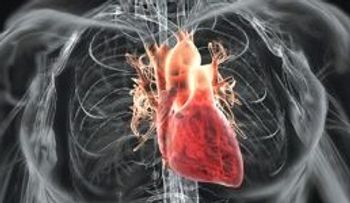
Endothelial cells in the coronary arteries can function as cardiac stem cells to produce new heart muscle tissue, contradicting the belief that the heart has no regenerative potential.
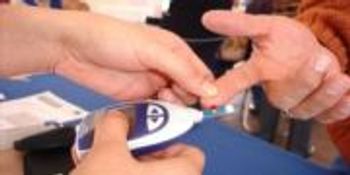
Despite these improvements in medical technology, diabetic nephropathy remains unpredictable and life-threatening. Identifying high-risk patients at an early stage could help clinicians take appropriate steps to reduce risk.