


Cholangitis
Latest News
Advertisement
Latest Videos



CME Content




























































Advertisement
More News

Patients with PBC and cirrhosis had a higher comorbidity burden and more acute-care events than those without cirrhosis.

Patients with PBC and severe pruritus had worse HRQoL, greater rates of depression, and more sleep interference than those with mild/moderate pruritus.

Chemomab completed an end-of-phase 2 meeting with the FDA and has aligned on the design of a phase 3 registration study for nebokitug (CM-101) in PSC.

This month in review spotlights HCPLive’s coverage of hepatic pipeline news and recent research about MASLD, liver transplant, and alcohol in liver disease.
The designation follows positive topline data from the phase 2a trial of CNP-104 in PBC, which were presented at AASLD’s The Liver Meeting

Patients with PSC had worse death, transplant, liver-related mortality, and liver-related decompensation outcomes than PBC and autoimmune hepatitis.

Retransplantation outcomes were similar or better in patients with PSC compared with patients with other liver disease etiologies.
An FDA review of postmarket clinical trial data revealed an increased risk of liver injury with obeticholic acid in patients with PBC without cirrhosis.

Kugelmas reviews findings from a secondary analysis of the phase 3 ELATIVE trial suggesting elafibranor is associated with stable kidney function.

Kowdley reviews open-label extension data for biochemical response, ALP normalization, and pruritus improvement from the phase 3 ELATIVE study.
Findings from the open-label extension of the ELATIVE study suggest sustained safety and efficacy for up to 3 years, with improvements in itch and sleep.
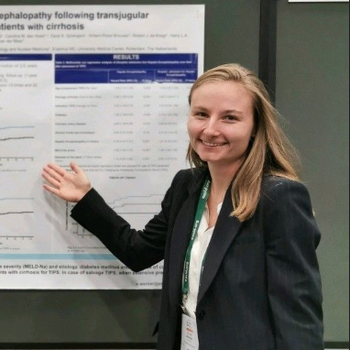
Diabetes was associated with an increased risk of liver transplant or death and with liver-specific events in patients with PBC.

Patients with PBC and moderate/severe pruritus face a greater health-related quality of life burden and impaired activity than those with no/mild itch.
Kowdley explains how treatment with elafibranor (Iqirvo) improves transplant-free survival based on changes in GLOBE and UK-PBC prognostic scores.
Treatment with elafibranor (Iqirvo) improved prognostic GLOBE and UK-PBC scores as early as week 4 in the phase 3 ELATIVE trial.

Findings from a 2.5-year interim analysis from the ongoing phase 3 ASSURE study highlight seladelpar’s sustained efficacy and long-term safety for PBC.
The CRL is consistent with the outcome of a September Gastrointestinal Drugs Advisory Committee meeting.

Phase 3, 3b, and 4 clinical trials will provide long-term insight into the use of elafibranor in different PBC patient populations and real-world settings.

Open-label, interim data from ASSURE shows positive effect and tolerability with once-daily seladelpar in patients with primary biliary cholangitis and compensated cirrhosis.

Mayo explains elafibranor’s benefit for patients with advanced-stage primary biliary cholangitis based on findings from a new ELATIVE analysis.

Data from ACG 2024 show only 1 in 12 patients eligible for second-line PBC therapy are actually doing receiving it—and it may take up to a year to initiate.
The FDA has extended its review of the sNDA, delaying the previous October 15, 2024, PDUFA date, without providing a new anticipated action date.
The designation was granted to Mirum Pharmaceuticals based on a positive interim analysis of the phase 2b VANTAGE study of volixibat.

Saggese explains the importance of second-line therapies in PBC, newly approved treatment options, and their impact on treatment goals and timelines.

Positive 120-day data from the phase 2a study of CNP-104 in PBC highlight its efficacy across multiple immunological and clinical measurements
Advertisement
Advertisement
Trending on HCPLive
1
The Case for Routine Kidney Screening, With Pranav Garimella, MBBS, MPH
2
FDA Approves Obinutuzumab (Gazyva) for Idiopathic Nephrotic Syndrome
3
Zilurgisertib Receives FDA Approval for FOP in Patients 12 and Older
4
FDA Approves Baricitinib for Adolescents With Severe Alopecia Areata
5