



Cholangitis
Latest News
Advertisement
Latest Videos


CME Content




























































Advertisement
More News
Read about hepatic FDA news, the voluntary withdrawal of obeticholic acid for PBC, new trial data for a potential AATD drug, and more.

Kowdley joins Liver Lineup to discuss evolving approaches in cholestatic liver disease and recent progress in PBC.
An audio recap of the top 5 stories in healthcare news from the week of 9/5-9/13.

Intercept Pharmaceuticals has voluntarily withdrawn obeticholic acid from the US market following a request from the FDA.
Findings highlight a 33% increase in 1-year and nearly 50% increase in 5-year post-transplant survival with a living versus deceased donor transplant.
Check out expert perspectives on semaglutide’s FDA approval for MASH and new research on PBC, infectious disease screening, and more in this August 2025 recap.

People with PBC and pruritus had a greater negative impact on HRQoL and reduced activity compared to those without pruritus, infrequently using medication.
The first half of 2025 recap for hepatology spotlights FDA approvals, clinical trial updates, and the 1-year anniversary of resmetirom.
The Q2 recap for hepatology spotlights regulatory approvals, clinical trial updates, and the launch of HCPLive’s flagship hepatology podcast.
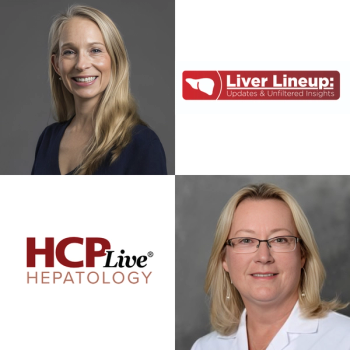
In the second part of a 2-part episode, hosts Kimberly Brown and Nancy Reau break down 3 more notable abstracts from the 2025 EASL Congress.
The month in review spotlights hepatic podcast episodes from HCPLive, new clinical trial data, and coverage from DDW.
Levy explains the unmet need for effective PSC treatment options and reviews new data from the phase 2 ELMWOOD trial of elafibranor in PSC.
The month in review spotlights hepatic FDA and pipeline news as well as new research on alcohol and obesity's impact on liver health and PBC.
Study findings highlight regional variability in the prevalence of PBC in the US in 2021, additionally suggesting potential barriers to specialist care.

An analysis of data from 2 PBC and PSC cohorts suggests fatigue is common, especially in females with PBC, and may be influenced by pruritus.

Study findings suggest use and monitoring of commonly evaluated hepatic biomarkers and fibrosis scores may provide additional prognostic value in PBC.
Our Q1 recap for hepatology spotlights regulatory updates, clinical trial data, 2 new guidance documents, and the anniversary of a historic FDA approval.
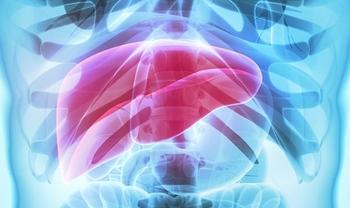
PBC patients with increased serum IgG levels at initial evaluation experienced faster disease progression and a greater probability of liver-related death.

Goel describes the clinical impact of having 2 newly approved second-line PBC therapies and looks ahead to what’s next and where more research is needed.
Goel explains the importance of second-line therapies and describes the role PPARs play in PBC treatment, including 2 newly approved therapies.

Patients with PBC and cirrhosis had a higher comorbidity burden and more acute-care events than those without cirrhosis.

Patients with PBC and severe pruritus had worse HRQoL, greater rates of depression, and more sleep interference than those with mild/moderate pruritus.
Chemomab completed an end-of-phase 2 meeting with the FDA and has aligned on the design of a phase 3 registration study for nebokitug (CM-101) in PSC.
This month in review spotlights HCPLive’s coverage of hepatic pipeline news and recent research about MASLD, liver transplant, and alcohol in liver disease.
The designation follows positive topline data from the phase 2a trial of CNP-104 in PBC, which were presented at AASLD’s The Liver Meeting
Advertisement
Advertisement
Trending on HCPLive
1
The Case for Routine Kidney Screening, With Pranav Garimella, MBBS, MPH
2
FDA Approves Obinutuzumab (Gazyva) for Idiopathic Nephrotic Syndrome
3
Zilurgisertib Receives FDA Approval for FOP in Patients 12 and Older
4
FDA Approves Baricitinib for Adolescents With Severe Alopecia Areata
5