
Chronic Kidney Disease
Latest News
Advertisement
Latest Videos


Podcasts





CME Content























































Advertisement
More News

FDA sends fresh CRL for Unicycive’s OLC; manufacturing inspection delays approval, while data support a lower pill-burden phosphate binder.
Katherine Tuttle, MD, discusses shifting the goals of chronic kidney disease management from slowing progression to preserving kidney function.

Butler explains why the urine albumin-to-creatinine ratio belongs in routine heart failure risk assessment and where the open questions remain.

Phase 3 FIND-CKD data show finerenone slows kidney function decline in non-diabetic chronic kidney disease, extending the agent's role beyond diabetic CKD.

New systematic review of 7012 kidney transplant recipients with T2D finds GLP-1 receptor agonists cut major adverse kidney events and mortality by 61%.
Catch up on the key nephrology news, research findings, and expert insights featured on HCPLive throughout May 2026.

Phase 3 post hoc data linked lorundrostat to lower systolic blood pressure and albuminuria in patients with hypertension and CKD.
The FDA accepted Bayer’s sNDA for finerenone in adults with type 1 diabetes and CKD based on albuminuria data from FINE-ONE.
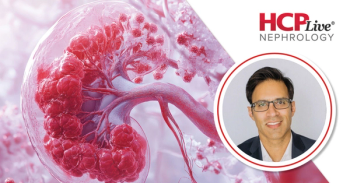
Gill describes how storytelling and patient representation can build trust and education in Indigenous populations regarding transplantation.

Leventhal describes the limits of current immunosuppression and the rationale behind early-phase clinical trials evaluating cellular therapies.
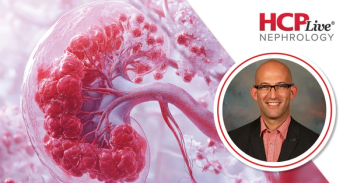
Levy describes the goal of deploying mobile health units in Detroit to close gaps in CKD screening.
Data from a study deploying mobile health units across Detroit, Michigan, found CKD stage ≥3 rates double the national average and increased rates in at-risk subgroups.
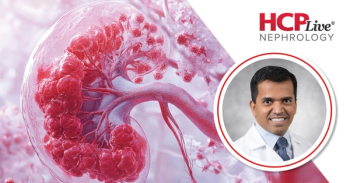
Pranav discusses the necessity for addressing the structural barriers that remain for living donor kidney transplantations in black patients.

Davies explains the future of at-home dialysis access, including policy changes and technological innovation.
Catch up on nephrology headlines you missed from Q1 2026.
Davies breaks down the gaps to at-home dialysis access and the future of global collaboration.
HCPLive’s editorial team has compiled 5 of the most informative discussions, along with key data from the WCN.
An expert shares his perspective on emerging targets and precision strategies for podocyte injury in glomerular disease.
Catch up on the guideline updates, trial news, and featured content from March 2026.

Nicholls discusses the investigational oral CETP inhibitor’s effects on kidney health for patients at high risk of cardiovascular disease due to elevated HDL-C.
The WHO resolution on kidney health elevates kidney disease as a global health priority, emphasizing early detection, treatment, and system-wide action.
Further CONFIDENCE analyses support safe combination therapy in CKD, with improved responses in key patient subgroups.
New OPTN data shows kidney transplant gains from race-free GFR and restored wait times stall, as structural barriers still limit equitable listing access.
Chan describes the current landscape of dialysis care and why home-based approaches are gaining momentum for patients with ESRD.

Hosts break down the latest updates in mineralocorticoid receptor agonists, including the SPIRIT-HF trial and announcements from the finerenone program.
Advertisement
Advertisement
Trending on HCPLive
1
Tilrekimig Meets EASI-75 Goal in Atopic Dermatitis, With Eric Simpson, MD
2
Tips on Optimizing HS Biologics, Combinations, and Surgery
3
ACG Guideline Sets 18 Preventive Care Recommendations for Cirrhosis
4
FAQ: ASH's New Ferritin Thresholds, With Jacquelyn Powers, MD, MS
5