





COPD
Latest News
Advertisement
Latest Videos
CME Content




























































Advertisement
More News

Dr. Rutland emphasizes the importance of understanding cellular communication and its potential to manipulate disease processes for patient benefit, including the observed link between ILD, inflammation, scarring, and pulmonary hypertension.

Dupilumab demonstrates significant improvements in patients with COPD, type 2 inflammation by reducing exacerbations, improving lung function and quality of life, and alleviating respiratory symptoms.

An analysis of the COPDGene Study presented at ATS 2023 suggests presence of mucus plugs in medium- to large-sized airways were associated with an increased risk of mortality in adjusted models.

At West Penn Hospital, the harmonica program, currently in the pilot phase, aims to demonstrate its benefits in improving respiratory symptoms, reducing exacerbations, and enhancing patients' quality of life.

"Playing the harmonica has a therapeutic effect because of the pursed lip breathing technique it requires," Dr. Becky Jordan says in an interview.

On the latest Lungcast, Kalhan reviewed a 2018 paper he and colleagues penned on the need to establish phenotypes of chronic lung disease progression—such as what cardiology has done with LDL-C for heart attacks.

Insomnia shows associations with higher rates of outpatient visits, hospitalizations, and fills for medications, longer hospital length of stay, and higher hospitalization costs.

In the latest Lungcast, a pair of experts considered the marriage of low-dose CT scanning and machine learning to optimize lung disease interception.

Data also show significant improvements in quality of life and respiratory symptoms in patients with evidence of type 2 inflammation who were treated with dupilumab.

A one-of-its-kind assessment of 8 decades' worth of UK data show a lower respiratory tract infection by age 2 increases risk of premature adult death by 93%.

The new analysis on the screening tool in primary care patients with COPD highlights the need for further research to optimize CAPTURE's performance and impact on clinical outcomes.

Frailty is a serious issue in hospitalized patients and is associated with increased morbidity and mortality. However, a recent study suggests that the Hospital Frailty Risk Score (HFRS), may not be effective in identifying frailty in hospitalized COPD patients compared to the bedside Clinical Frailty Scale (CFS).

The analysis uses patient data from SPIROMICS, followed by an external validation with the results from COPDGene.

The medication was approved for the as-needed treatment or prevention of bronchoconstriction and to reduce the risk of exacerbations in people with asthma aged 18 years and older.

Neither intervention group demonstrated any significant improvements in intensity of chronic breathlessness after taking regular, low-dose, extended-release morphine.

These data support web-based self-management for individuals with COPD with an objective, clinically relevant, short-term increase in physical activity levels compared to usual care.

“From this study it makes sense that the (icenticaftor) 300mg dose has a benefit-risk profile to further study the clinical benefits,” Dr. Frits Franssen, lead investigator, said at ERS Congress 2022.

New phase 3 ENHANCE-2 data support a potential submission by Verona Pharma to the FDA.

Though current use rates have declined since 2017, investigators believe more young adults are transitioning from experimental to habitual use.

Early follow-up in patients with COPD led to lower rates of readmissions at 90 days, while patients with CHF saw lower 90-day mortality.
Field leader Carla Lamb, MD, discusses advances to evaluating and treating chronic diseases including lung cancer and COPD in this latest episode.
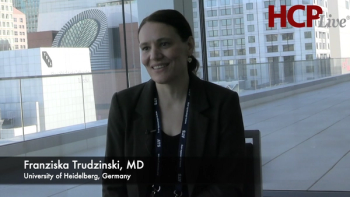
Dr. Trudzinski speaks of the importance of diagnosing sex-specific pulmonary and extra-pulmonary comorbidities in women with COPD, as well as the lack of research regarding COPD prevalence in women.
Dr. Richmond speaks to the newest pulmonology data from Vanderbilt University that was presented at ATS 2022.

Previously, the US Preventive Services Task Force reviewed screening evidence for COPD in 2016 and issued a D recommendation against screening in asymptomatic adults.

Advertisement
Advertisement
Trending on HCPLive
1
FDA Approves Obinutuzumab (Gazyva) for Idiopathic Nephrotic Syndrome
2
Efsitora Dosing and Titration in Type 2 Diabetes
3
The Case for Routine Kidney Screening, With Pranav Garimella, MBBS, MPH
4
The HCPFive: Top News for Healthcare Providers from the Week of 09/20
5