




COPD
Latest News

Advertisement
Latest Videos




CME Content




























































Advertisement
More News

Explore the latest advancements in biologic therapies for asthma and COPD discussed in a recent clinical forum highlighting personalized medicine and biomarker-driven strategies for improved patient outcomes.
Discover the latest advancements in pulmonology, including innovative treatments for asthma, COPD, and pulmonary sarcoidosis, showcased at ATS 2025.


View conference highlights from HCPLive’s coverage of the American Thoracic Society (ATS) International Conference 2025.

These data from ATS 2025 highlight patients’ real-world outcomes related to treatment of their chronic obstructive pulmonary disease (COPD) with dupilumab.

The analysis of pooled data from BOREAS and NOTUS highlight dupilumab’s sustained impact on lung function in patients with COPD and type 2 inflammation.

The FDA approves mepolizumab as a new maintenance treatment for COPD, showing significant reduction in exacerbations for specific patients.

Stoller describes the potential of a novel AI model to help address AATD underrecognition, citing findings from his research on its performance in a Cleveland Clinic cohort.

Criner reviews findings from AIRFLOW-3 and describes the subgroup of targeted lung denervation treatment responders being targeted in AIRFLOW-4.

Attaway describes the importance of screening for and treating sarcopenia in patients with COPD and clinical gaps that complicate this process.

This analysis highlights the rapid improvements seen in patients with uncontrolled asthma within 24 hours of their initial rademikibart dose.

The pooled analysis of ENHANCE clinical trial program data highlight improvements in HRQoL, dyspnea, and COPD symptoms with ensifentrine monotherapy.

Associations were particularly strong for people with severe COPD.

Vapendavir shows promise in reducing respiratory symptoms and illness duration in COPD patients infected with rhinovirus.

New research follows a previous landmark study that linked mucus plugs to increased mortality in people with COPD even without hallmark symptoms.

XGBoost displayed a high rate of accuracy, sensitivity, and precision, indicating its effectiveness at highlighting depressive symptoms before diagnosis.

A variety of influences and potential confounders exist to explain the increasing rates of impairment concordant with chronic obstructive pulmonary disease.

Virtual pulmonary rehabilitation enhances access and improves outcomes for COPD patients, demonstrating safety and effectiveness in individualized care.
The month in review spotlights new data for COPD and bronchiectasis, as well as new research and conversations around smoking.

Mepolizumab significantly reduces COPD exacerbations in patients with eosinophilic phenotype, offering new hope for improved management and patient outcomes.

The 25-mg brensocatib group showed statistically significant changes in FEV1 decline as well as pulmonary exacerbations.
This month’s Lungcast features a discussion on lung cancer screening guidelines and pulmonary nodule management.

Participants in the cytisinicline group also had a significantly greater reduction in smoking urges.
In this summary, we highlight the latest issue of our pulmonology research quarterly newsletter powered by the American Lung Association Research Institute.
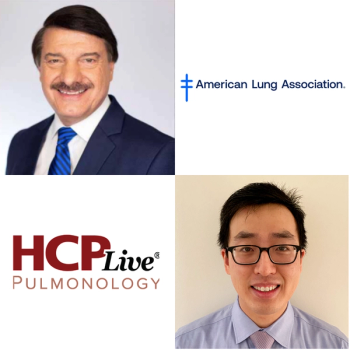
This interview in the latest issue of The Respiratory Report features William Zhang, MD, discussing AM iron accumulation, which may contribute to the well-known phenomenon of AM dysfunction in COPD6.
Advertisement
Advertisement
Trending on HCPLive
1
FDA Approves Obinutuzumab (Gazyva) for Idiopathic Nephrotic Syndrome
2
Efsitora Dosing and Titration in Type 2 Diabetes
3
The Case for Routine Kidney Screening, With Pranav Garimella, MBBS, MPH
4
The HCPFive: Top News for Healthcare Providers from the Week of 09/20
5