




COPD
Latest News
Advertisement
Latest Videos




Podcasts

CME Content




























































Advertisement
More News

Experts unpack new T2-targeted biologics for severe asthma and eosinophilic COPD, sharing biomarker tips, sequencing debates and payer hurdles,
The Q1 recap for pulmonology spotlights regulatory and clinical advances across asthma and pulmonary fibrosis.
March 2026 saw new data from pivotal clinical trials and new expert conversations on HCPLive.

AstraZeneca's investigational IL-33–targeting antibody tozorakimab met its primary endpoint in both the phase III OBERON and TITANIA trials.

Clinicians compare newest asthma/COPD biologics, highlighting dupilumab’s edge, biomarker shifts, and insurance barriers shaping real-world use.

New biologics transform severe asthma and COPD, yet prednisone overuse persists—see practical selection tips and outpatient steroid stewardship gaps.

Experts weigh new biologics including dupilumab, tezepelumab, and depemokimab, and how eosinophils guide real-world prescribing.
February 2026 saw new data and expert interviews from AAAAI 2026.

A new study stratified patients by longitudinal BEC patterns to assess whether variability in eosinophil levels influences response.

Claims study suggests dry powder and soft mist COPD inhalers cut exacerbations versus MDIs, offering greener care without added safety risks.

A clinical forum focuses on how advanced practice providers (APP) and clinicians are now navigating how to translate emerging data into real-world practice.

These retrospective cohort studies also showed the vaccine’s reduction of heart attack, stroke, and asthma/COPD flare-ups in patients with RSV.

A clinical forum brought together pulmonologists and advanced practice providers to share their experiences navigating the changing COPD and asthma landscape.
January 2025 saw new data and guidelines in asthma, COPD, and pulmonary fibrosis.
In this Q&A, Mathioudaki discusses the post-hoc FLAME trial, which links ICS and LAMA discontinuation to transient exacerbation risk in COPD.

Post-hoc analysis of the FLAME trial shows treatment discontinuation in COPD is associated with transient withdrawal effects and increased exacerbation risk.
Experts discussed how biologics revolutionize asthma and COPD management, emphasizing personalized treatment strategies and proactive care.

A study found that bronchodilator responsiveness more accurately forecasts FEV₁ decline and COPD development than polygenic risk scores.
The Q4 recap for pulmonology spotlights regulatory and clinical advances across asthma and pulmonary fibrosis.
The pulmonology year in review highlights FDA approvals and pivotal data readouts.
The COPD year in review highlights FDA approvals, data, and advances in 2025.
2025 data show the US is still failing to adequately identify and initiate care for deadly lung disease. Experts discuss what it will take to turn the tide on this public health issue.

Discover how precision medicine reshapes COPD treatment, focusing on inflammation and patient-specific traits for improved outcomes in airway diseases.
COPD management evolves with biologics, emphasizing personalized care and treatable traits to improve patient outcomes and address ongoing challenges.
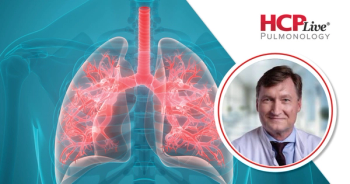
Vogelmeier discusses major changes to the annual COPD report, including a broader threshold for escalating treatment after exacerbation.
Advertisement
Advertisement
Trending on HCPLive
1
FDA Approves Obinutuzumab (Gazyva) for Idiopathic Nephrotic Syndrome
2
Efsitora Dosing and Titration in Type 2 Diabetes
3
The Case for Routine Kidney Screening, With Pranav Garimella, MBBS, MPH
4
The HCPFive: Top News for Healthcare Providers from the Week of 09/20
5