






Dermatology
Latest News
Advertisement
Latest Videos







CME Content








































Advertisement
More News


Combined therapies such as ultraviolet light and tab methotrexate were deemed effective in the management of vitiligo.

Investigators recommended a treatment course of at least 1-2 months with medium strength to potent topical corticosteroids should be considered before dupilumab discontinuation in affected children and adolescents.
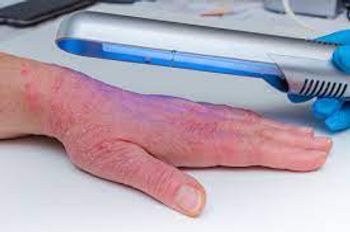
Though high-dose ultraviolet therapy was also effective, investigators were concerned with the potential long-term adverse events.

This represents the first biologic to show positive phase 3 results in prurigo nodularis.

Investigators believe the new instrument could be generalized to other chronic inflammatory skin diseases in future studies.

Patients treated with the monoclonal antibody had increased incidences of conjunctivitis, though many of these incidences were considered mild and were resolved by the end of the study.

Travel issues related to COVID-19 were responsible for the delay in the approval of the Biologics License Application.

Investigators call the combination of intralesional corticosteroid injections and narrow-band ultraviolet B light to be “effective, simple, and relatively safe”.

Data from the PAUSE clinical trial reveals that more participants experienced psoriasis relapse in the abatacept group than the ustekinumab group.

Investigators believe that pediatric patients can gain the most from a combination of interventions, though larger studies are needed to confirm the data.

Dr. Maguiness speaks of new forms of tinea capitis not traditionally seen in the United States, as well as common practices shared between parents and clinicians for the management of several hair and nail disorders.

Dr. De Keyser highlights the success of biologics such as omalizumab and dupilumab in the treatment of asthma and atopic dermatitis in pediatric populations.

Investigators believe the reduction of DIF usage could result in cost reductions without compromising patient care.

Investigators from Egypt recorded a high prevalence of stress, anxiety, and depression in patients with vitiligo.

Investigators also found that patients with alopecia areata were also had significant inflammatory immune injury and vitamin D deficiency when compared to healthy subjects.

Dr. Paller speaks of the AD-GAP study, which shared insights on moderate to severe atopic dermatitis from patients, caregivers, and independent physicians.

Investigators incorporated a myriad of studies detailing the anxiety and depression associated with the disease, and offered new insights into the concerns of patients and caregivers.

Investigators reported a significant difference in the expansion rate of the skin lesion area in patients with vitiligo in just 3 months of treatment.
Investigators added that the meaning of each laboratory marker is dependent on the drug that is being used for treatment.

The drug is approved for adults and pediatric patients 12 years and older after the failure of 1 or 2 lines of systemic therapy.
The approval follows recent phase 3 trial data showing significant improvement in patient-reported outcomes for the treatment of atopic dermatitis.

The treatment was approved for adult patients with plaque psoriasis in 2018.
The regulatory setback is regarding a manufacturing facility concern not associated with the investigative drug, according to the company.

In this episode of Derm Discussions, vitiligo expert John Harris, MD, PhD, discusses new tactics and therapeutic options in treating inflammatory skin disorders like vitiligo, alopecia areata, and atopic dermatitis.
Advertisement
Advertisement
Trending on HCPLive
1
Single Annual Injection Produces Significant and Sustained Lp(a) Reductions
2
Ruvonoflast Reduces hsCRP, Inflammation, CVD Risk With Downstream Effects
3
Lessons From ZEUS on Targeting Inflammation, With Peter Libby, MD
4
SUMMIT Substudy Reveals Tirzepatide’s Impact on LV, Atrial Metrics of HFpEF
5