






Dermatology
Latest News
Advertisement
Latest Videos







CME Content























































Advertisement
More News

The VALIANT study featured a cross-sectional online survey that was used to recruit adult patients 18 years and older who were professionally diagnosed with vitiligo.

Data from the ADhere studies found that lebrikizumab was well tolerated in patients with atopic dermatitis.

A pair of novel topical drugs hit high phase 3 marks at AAD 2022. One expert explains how they both may reach ground-breaking indications.

Clinical responses including PASI 100 and absolute PASI, and PASI ≤2 were maintained through week 96 with the biologic in patients with psoriasis, with no new safety signals identified.

New AAD 2022 data support the novel gel therapy as the potentially first treatment for the viral-borne skin condition.

The new oral medicine helped some patients with mild to moderate psoriasis achieve and sustain PASI-50 after the initial study period.
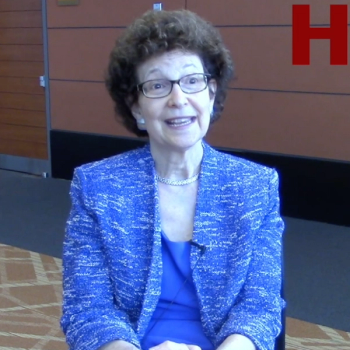
Amy S. Paller, MD, concludes her AAD 2022 interview with a look into the future of pediatric systemic therapy—and a call to assure due diligence in tracking patient progression among her peers.

Dedee F. Murrell, MD, details the EASE trial findings presented at AAD 2022, and what the benefit of the novel topical gel may mean for patients with EB.

A new AAD 2022 study shows disparities in patch testing for allergens—and how certain fragrances, metals and preservations discriminately affect rates of contact dermatitis.

The ALLEGRO study detailed the efficacy and safety of ritlecitinib in adult and adolescent patients with the alopecia areata.
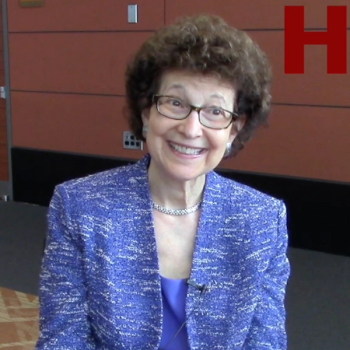
The agent may become approved this year for children aged 6 months to 5 years old. Amy S. Paller, MD, discusses what impact it could bring.

New phase 2 data from the KARE study presented at AAD found that the therapy improved itch severity and sleep in patients with atopic dermatitis and pruritis.

Dr. Raj Chovatiya provides updates from AAD on some pending and potential FDA approvals for several dermatology therapies.
With no approved therapies currently available, Dr. Brett King feels that the JAK inhibitor baricitinib could provide patients with a long sought after solution to hair loss.
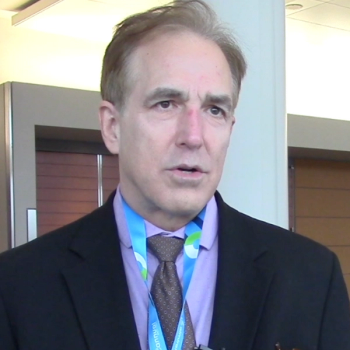
New AAD 2022 data show the novel gene therapy from Krystal Biotech provided wound healing by 3 months in patients with dystrophic epidermolysis bullosa.
Dr. Gil Yosipovitch suspects that dupilumab will be approved for use in patients with prurigo nodularis based on new data from the LIBERTY-RN PRIME2 trial.
An expert delves into the increased risk of conditions including psoriasis flares, lupus, and scleroderma following COVID-19.
New phase 4 data suggests that apremilast could be used to improve cardiometabolic function in patients with psoriatic disease.
Dr. David Rosmarin follows up his AAD presentation with an interview on ruxolitinib cream for facial and body repigmentation in patients with vitiligo.

International investigators observe differing levels of severe COVID-19 risk for patients with atopic dermatitis, dependent on their current therapy.

Data from the phase 3 TRuE-V clinical program show the topical JAK inhibitor provided substantial repigmentation to more than half of treated patients.
Data from a pair of phase 3 trials concluded that oral baricitinib was superior to placebo for patients with severe alopecia areata for hair regrowth at 36 weeks.

A Perelman School of Medicine assessment of biopsy rates support previous findings showing that dermatologists are less confident making psoriasis diagnoses in patients with darker skin color.
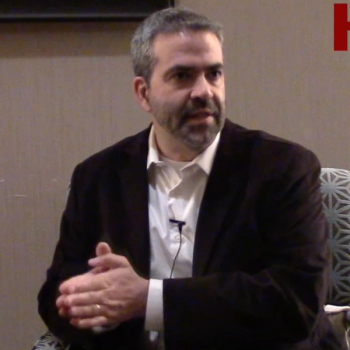
John E. Harris, MD, PhD, discusses the delayed decision date for the topical JAK inhibitor, and what more needs to be researched on the drug.

New data suggest that treatment with dupilumab does not increase the risk of COVID-19 infection in patients with atopic diseases.
Advertisement
Advertisement
Trending on HCPLive
1
RELIEVE-AD-PEDs: Dupilumab Sustains Adolescent Atopic Dermatitis Control at 1 Year
2
Targeting the Disease Mechanism in PFIC, With Hisamitsu Hayashi, PhD
3
Top Reason for Leaving HAE Attacks Untreated, Survey Finds
4
3 Hematology Headlines You Missed in September 2026
5