





Dermatology
Latest News
Advertisement
Latest Videos






CME Content























































Advertisement
More News

Biologic agents may reduce the risk of mental health disorders among patients with moderate-to-severe psoriasis who discontinued treatment with conventional systemic agents, researchers in Canada found.

Among flares identified in outpatient (53%), inpatient (36%), and emergency department (9%) settings, the most utilized treatments were topical corticosteroids (35%), opioids (21%), and other oral treatments.

Investigators identified a correlation between severity of kidney-urinary tract complications and the affected protein involved with intermediate junctional epidermolysis bullosa (JEB).

Despite their tendency to present with more severe psoriasis compared with other races and ethnicities, Asian patients receive significantly less time with a dermatologist.

Both treatments showed tolerable safety as in the phase 2 and 3 trials, but when evaluated in four body regions on patients, upadacitinib surpassed dupilumab in all of them.

Although sharing a common feature of male predominance, alopecia did not seem to occur more frequently in AS patients.

Investigators from found that 12.12% of patients with a previous skin disease diagnosis developed an adverse skin reaction following a COVID-19 vaccine injection.

45% of study participants were either dissatisfied or very dissatisfied with their current medical treatment.

The pivotal DERMIS trial author discusses extended assessment and prescribing strategies for the latest psoriasis agent.

A retrospective analysis suggests there are significant disparities in dermatologist visit duration based on patient race and ethnicity.

Dermatologist Raj Chovatiya, MD, PhD, discusses practical use of the newest topical therapy approved by the FDA.

The indication to Arcutis makes the once-daily topical cream the first marketed PDE4 inhibitor of its kind.

Results from this AoU database study found that Black and Hispanic patients and individuals with physical disabilities were at an increased risk of tinea versicolor.

Participants defined their acne/acne scars as an “intruder and unwanted companion” in the The Letter to my Disease personification exercise.

Though transgender medicine has existed for over 100 years, physicians like Dr. Jackson Turbeville are still looking for opportunities to make healthcare more accessible and affordable for patients seeking treatment for a variety of dermatologic conditions.

Investigators uncovered that the primary driving motivator for indoor tanning had to do with aesthetic concerns, followed by the perception of psychological and physical benefits.
Travis Vandergriff, MD, discusses the unique collaboration with ophthalmologists and urologists in the rare skin condition.

An analysis of PSOARING 1 and 2 data show the topical therapy is efficacious across a wide spectrum of psoriatic disease and patient demographics.

Despite an increased risk of new-onset psoriasis from TNFi treatment, investigators considered the absolute risk to be “modest”, with 241 patient-years of exposure needed for 1 additional event.

An analysis suggests patients on the biologic fared better with adherence and outcomes than those on competitors including adalimumab.

A dive into the manifestation of the rare skin condition, and the impactful role of dermatologists in diagnosing it early.

New phase 3 data show a microencapsulated form of the topical antiseptic and vitamin D derivative is beneficial and tolerable over 12 weeks.
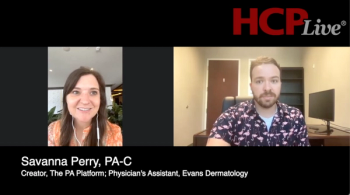
Savanna Perry, PA-C, discussed the challenge of standing out over influencers and estheticians regarding clinical dermatology insight, and the unique offerings of different platforms.

New data from ECZTRA 6 show improved sleep quality, itch relief and quality of life among teenagers treating atopic dermatitis with the IL-13 inhibitor.

Results from a cross-sectional survey suggest consistent patient preferences for treatment outcomes and means of administration.
Advertisement
Advertisement
Trending on HCPLive
1
RELIEVE-AD-PEDs: Dupilumab Sustains Adolescent Atopic Dermatitis Control at 1 Year
2
Targeting the Disease Mechanism in PFIC, With Hisamitsu Hayashi, PhD
3
Top Reason for Leaving HAE Attacks Untreated, Survey Finds
4
3 Hematology Headlines You Missed in September 2026
5