


































































More than 25% of adults in the US older than 65 have diabetes.
More than 25% of adults in the US older than 65 have diabetes.

An analysis of 5-year outcomes data from the Teen-LABS study indicates bariatric surgery was in teens 13-15 years old resulted in similar outcomes as surgery among those 16-19 years old.

The adverse effects of corticosteroids have underscored a need to eliminate the drug from treatment regimens.



An analysis of 29k patients with type 2 diabetes suggests increased HbA1c variability within the first 2 years of a diabetes diagnosis was associated with a 30-59% increase in risk of incident cardiovascular disease.

An analysis of claims data from more than 2k patients with type 2 diabetes provides insight into the effects of initiating use of a flash CGM system on acute diabetes-related events and hospitalizations in CGM-naive patients.

The rates of preterm delivery and large for gestational age birthweight were higher among women with type 1 diabetes.

An analysis of more than 380k older adults with type 2 diabetes suggests Medicare Advantage Beneficiaries were less likely to initiate therapy with newer glucose-lowering agents, including GLP-1RAs, SGLT2 inhibitors, and DPP-4 inhibitors than their counterparts with commercial insurance.

A study of 50 obese patients is shedding light on the effectiveness and safety of a time-restricted eating approach as a method to facilitate weight loss.

Women with a history of GD had a 2-fold higher risk of CAC across all subsequent levels of glucose tolerance.

New research from Kaiser Permanente Northern California suggests gestational diabetes was linked to a 2-fold increase in risk of coronary artery calcification, regardless of glycemic control after giving birth.

Check out our latest endocrine case report from Brady Pregerson, MD, which features a 53-year-old male with a history of obesity, DM on glucophage, and HTN on Lasix. Can you determine the correct diagnosis?







An analysis of data from more than 40k women details how the use of metformin is associated with increased or decreased risk of certain types of breast cancer.

Low and moderate dosing shows the most potential in preventing AMD for patients with diabetes.

A retrospective analysis of EHR data from 3 Mayo Clinic facilities details prescribing practices for pain medications among patients with newly diagnosed diabetic peripheral neuropathy.

Parents who knew their children were at higher risk of type 1 diabetes were able to get the condition diagnosed before serious complications developed.
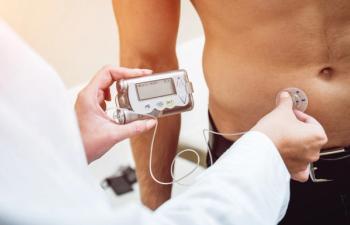
A secondary analysis of the iDCL suggests use of closed loop insulin therapy was associated with improvements in glucose control among patients with type 1 diabetes.

Few diabetic patients adhere to daily blood glucose monitoring, foot checks, eye examinations, and cholesterol checks.