




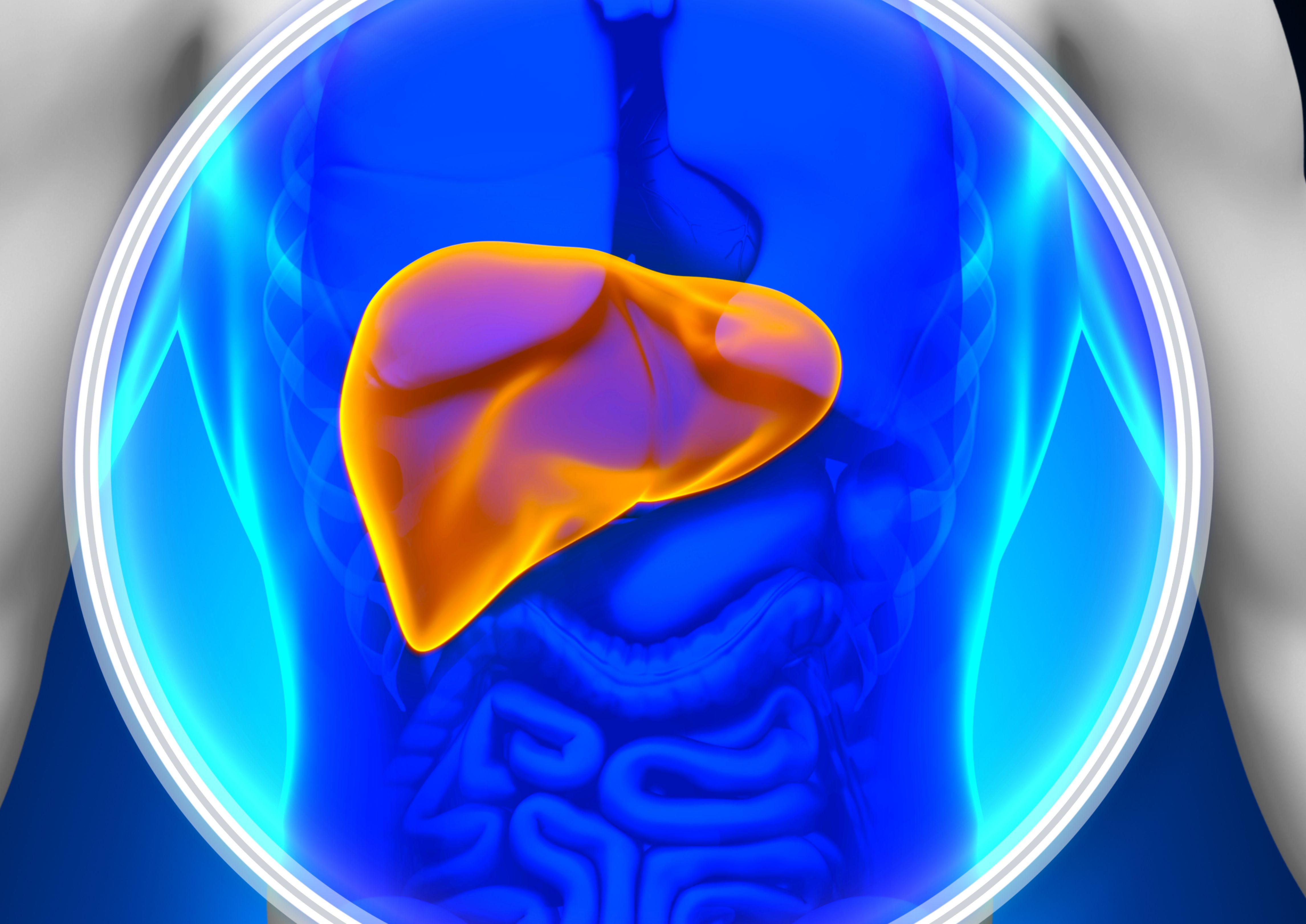





























































An analysis of data from the Marketscan database suggests undergoing bariatric surgery in severely obese patients with NAFLD could reduce risk of cancer among these patients.
An analysis of data from the Marketscan database suggests undergoing bariatric surgery in severely obese patients with NAFLD could reduce risk of cancer among these patients.
An expert physician in cardiology and metabolic management walks through a presentation on identifying, addressing, and continually treating for heightened cardiometabolic risk.

A single-center study presented at ENDO 2021 suggests more than half of the patients with thyroid eye disease patients treated with teprotumumab (Tepezza) developed otologic symptoms.

Continuing treatment results in a nearly 8% reduction in weight during a 48 week period.

The therapy could offer a therapeutic option with a better safety profile, investigators said.

Zealand Pharma announced the US FDA approved dasiglucagon (Zegalogue) for treatment of severe hypoglycemia in patients with diabetes aged 6 and older and the injectable will be available as both an auto injector and a prefilled syringe.

A literature review of studies assessing SGLT2 inhibitor use in kidney transplant patients with diabetes suggests use did not impact graft function and was associated with improvements in glucose control and body weight.

A meta-analysis of nearly a dozen studies presented at ENDO 2021 suggests Black women with PCOS were at an increased cardiometabolic risk, despite having comparable fasting glucose and lower triglyceride levels.

A single-injection co-formulation of pramlitide and insulin may be a better alternative to separate administrations of both key treatments in adults with T1D, particularly following meals.

A majority of surveyed patients and providers want to continue telemedicine follow-up visits after the pandemic ends.

Stimulating steroid receptor co-activators may play a role in repairing heart tissue following severe myocardial infarction.

A randomized, 3-arm study is giving further insight into the effects of levothyroxine monotherapy compared against a thyroid combination therapy and desiccated thyroid extract for management of hypothyroidism, particularly in patients with Thr92AlaD2 polymorphism.

An analysis of patients and providers from endocrine clinics suggests many patients and providers were open to continuing with telehealth practices after the pandemic and many saw little to no limitations with the new practices.

In ENDO 2021 data, approximately one-third of an observed COVID-19 patient population in Italy was still experiencing signs of thyroid inflammation after 3 months,

An analysis of 4k transgender youth and 16k propensity-matched controls is providing insight into the increased risk of conditions adversely impacting the cardiometabolic health of these patients.
Many patients with genetic obesity disorder experience resistance to treatment, including intensive lifestyle therapy.

Evening and late-night preferences of women with GDM is linked to a significantly greater risk of preeclampsia and NICU treatment.

A post-hoc analysis of the AWARD-11 trial indicates that 4.5 mg of dulaglutide was effective in lowering and maintaining A1C levels <7% regardless of baseline levels.

An analysis by investigators from the University of Arkansas suggests children with adrenal insufficiency were 10 times more likely to die from COVID-19 than their counterparts without adrenal insufficiency and COVID-19.

An analysis of more than half a million thyroid hormone users indicates more than 30% were also concurrently receiving a medication known to interfere with thyroid function tests.

A review of observational data suggests the presence of type 2 diabetes could increase risk of developing Parkinson disease and might also speed the progression of motor symptoms.

A trial of more than 20k women from investigators at Kaiser Permanente found there were no significant differences in outcomes among pregnant women undergoing gestational diabetes screenings using the ADA's 1-step approach versus the ACOG's 2-step approach.

Check out the Endocrine Outlook podcast, brought to you by the Endocrinology Network. This episode focuses on semaglutide 1 mg as a weight loss therapy for patients who are obese or overweight.


Compared with a two-step screening method, a one-step approach is associated with more diagnosed incidences of gestational diabetes, despite a lower adherence rate.