

































































Updates to the ADA Standards of Medical Care emphasize the utility of SGLT2 inhibitors and GLP-1 agonists. Yet, initiation is lacking from prescribers.
Updates to the ADA Standards of Medical Care emphasize the utility of SGLT2 inhibitors and GLP-1 agonists. Yet, initiation is lacking from prescribers.
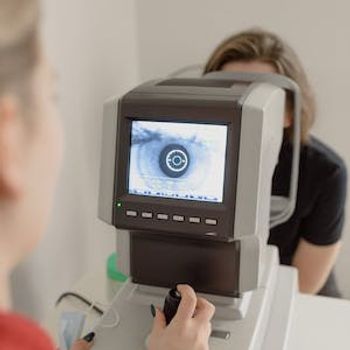
Data show no patients in the study (n = 510) had BCVA worse than 0.3 (log MAR 0.48) due to diabetic retinopathy.
An analysis of EHR data from more than 2 million patients in England is detailing the increased risk of becoming overweight or developing obesity in the next decade among young adults aged 18-24 compared to adults in other age groups.

Mean age of diabetes diagnosis was 4 - 7 years earlier among non-Hispanic Black and Mexican American adults, in comparison to non-Hispanic White adults.

Our latest endocrine case report from Brady Pregerson, MD, features a man in his mid-60s presenting to the emergency department for 6 months of hip and groin pain. Can you determine the correct diagnosis?

New data describes risk factors associated with increased prevalence of sexual dysfunction among patients with type 1 and type 2 diabetes.

Investigators noted a need for multidisciplinary interventions for prevention of diabetic ketoacidosis and hyperglycemic hyperosmolar state in patients with diabetes.

Sexual dysfunction in men was related to clinical factors, including erectile dysfunction, while women reported low emotional well-being and symptoms of anxiety.

Now that the agent shows benefit in mitigating comorbid risks, the expert advocates for more timely diagnoses and treatment initiation.
August's month in review features a pair of FDA approvals, new guidance on screening for gestational diabetes and T2D, a 3-part video series, and news on COVID-19, glucose control, and vitamin D levels.

Incidence of death from cardiovascular causes was lower in the finerenone group (458 of 3686 patients) compared to the placebo group (519 of 3666 patients).

Hailed by investigators as the largest and longest study of its kind, new research is providing clinicians with an overview of the potential for weight change and obesity among patients receiving gender-affirming hormone therapy.
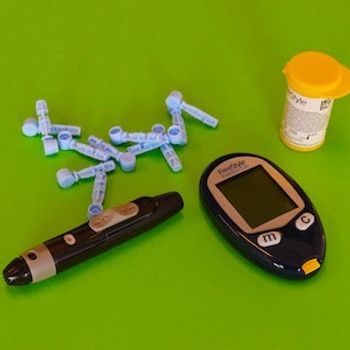
The updated USPSTF recommends screening for prediabetes and type 2 diabetes in adults aged 35 - 75 years with conditions including overweight or obesity.

A recent study published in JAMA details increasing rates of gestational diabetes among first-time mothers in the US from 2011-2019, with rates increasing across all racial/ethnic subgroups examined in the 12 million person analysis.

A substudy of a prospective observational study performed at a hospital in Italy details potential associations of vitamin D levels with BMI and blood glucose and severity of COVID-19.

The treatment controls blood sugar levels after meals in adults with type 1 and type 2 diabetes.
An analysis of patients from a hospital in Belgium provides insight into the impact of COVID-19 and lockdowns on weight loss and overall health on patients who underwent gastric bypass and were impacted by COVID-19 during their first postoperative year.

Excessive hemolysis and genetic factors may be associated with cholelithiasis.
The latest recommendation statement reaffirms the USPSTF's 2014 guidance, which included a B recommendation for screening for gestational diabetes at 24 weeks of gestation or after.

Data show moderate net benefit for screening at 24 weeks of gestation or after, but there is insufficient evidence to assess benefit of screening before 24 weeks.

In an analysis, low GI/GL dietary patterns resulted in a reduction in HbA1c, compared with control diets with a mean difference of −0.31.
Patients with metabolic syndrome were at a 46% increased risk of a second stroke and a 27% increased risk of mortality when compared to their counterparts without metabolic syndrome.

An ancillary study to the INFINITE trial details the benefits of caloric restriction plus exercise versus exercise alone on aortic stiffness measured using CMRI in older adults with obesity.

Our latest emergency department case report from Brady Pregerson, MD, features a woman in her 60s with a history of diabetes presenting for post-menopausal vaginal bleeding. Can you determine the correct diagnosis?
The app will deliver up-to-the-minute glucose data in patients using Freestyle Libre 2 glucose sensors.