
































































Karen O. Klein, MD, leads a discussion of the Vargas Trujillo et al study on the importance of individualizing treatment decisions in girls with CPP, including factors that influence the decision to begin and cease treatment.
Karen O. Klein, MD, leads a discussion of the Vargas Trujillo et al study on the importance of individualizing treatment decisions in girls with CPP, including factors that influence the decision to begin and cease treatment.
Karen O. Klein, MD, reviews data and study results from the Vargas Trujillo et al study on the importance of individualizing treatment decisions in girls with CPP.
Karen O. Klein, MD, provides an overview of CPP (central precocious puberty) as well as a review of the study design and baseline characteristics from the Vargas Trujillo et al study on the importance of individualizing treatment decisions in girls with CPP.

A new trial from Wake Forest University underlines the importance of messaging and individualized approaches to achieve weight loss among older patients with obesity.
Dr. Jellinger discusses the lipid section of the DCRM guidelines, the role of combination therapies in lowering LDL and what is coming next for the field of diabetes in 2022.

An umbrella review of meta-analyses of RCTs examining intermittent fasting for weight loss provide a comprehensive overview of the effects of the approach on various health outcome measures in patients with overweight or obesity.

An analysis of the Women's Health Initiative suggests hypertensive disorders of pregnancy were associated with a significant increase in risk for incident heart failure, but this association was not observed for other adverse pregnancy outcomes.

A new analysis from UNSW Sydney details the prevalence of thyroid cancers in the next decade attributable to current levels of overweight and obesity among the population in Australia.

A systematic review and meta-analysis suggest presence of hypothyroidism or TAI could have a negative influence on AMH levels among women.
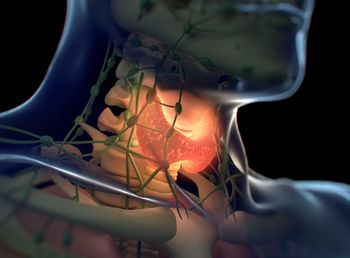
An analysis of more than 25k patients using levothyroxine demonstrates the impact of appointment delays on TSH levels among these patients.

Analysis of data from the SOS study indicates bariatric surgery was associated with a 37% reduction in incident cancer among individuals with obesity and diabetes versus conventional obesity treatments, with those achieving diabetes remission experiencing a 60% reduction in risk.

Fish oil intervention and DASH diet show no statistically significant effect on glycemic control and adiposity.

A 31-person task force has composed and released new multispecialty recommendations for management and diagnosis of diabetes and cardiometabolic disease.

Dr. Zeitler highlights the long-term microvascular risk complications observed in T2D patients in the TODAY2 observational study.

Patients with type 2 diabetes treated with triple therapy had less hepatic steatosis and fibrosis and significantly improved insulin sensitivity versus conventional therapy.

Data show the age-adjusted prevalence of hyperinsulinemia in adults without diabetes increased by 18% in the study population between 1999 - 2000 and 2017 - 2018.

Data from a secondary analysis of the PREDICT 1 trial provides insight into the effects of sleep habits on postprandial glucose control among a cohort of healthy individuals.

A NDM cohort in Israel found those with TNDM were taller and heavier compared to PNDM, while chronic diabetes complications developed in patients with long-standing NDM.

The ergonomic device for the treatment of diabetes is the only insulin patch pump for closed loop integration able to be used with standard, pre-filled pump cartridges.

VX-880 stem cell-derived therapy demonstrated restoration of insulin production and was generally well-tolerated in T1D treatment.

Patients considered adherent to caFFR had a significantly lower risk of MACE, compared to non-adherent patients (adjusted hazard ratio, 0.33).

In models adjusting for age, sex, and race/ethnicity, children with a parent with type 2 diabetes reported higher symptoms of anxiety and depression.

Data show hemoglobin level of SGLT2 inhibitor users were higher at an eGFR above >15 mL/min/1.73m2 compared to non-users.

Undergoing bariatric surgery was associated with reductions in risk of adverse liver outcomes and MACE versus nonsurgical management among patients with obesity and biopsy-proven nonalcoholic steatohepatitis in the SPLENDOR study.
From 1976 to 2018, data show the prevalence of obesity in the United States increased from 6.2% to 32.7%.